
Kaisariani Shooting Range, 2026
Photographic Essay on the Kaisariani Shooting Range, 2026
Photographic Penetration as an Act of Memory, Vision, and Ethics at the Kaisariani
Shooting Range: The “Altar of Freedom”
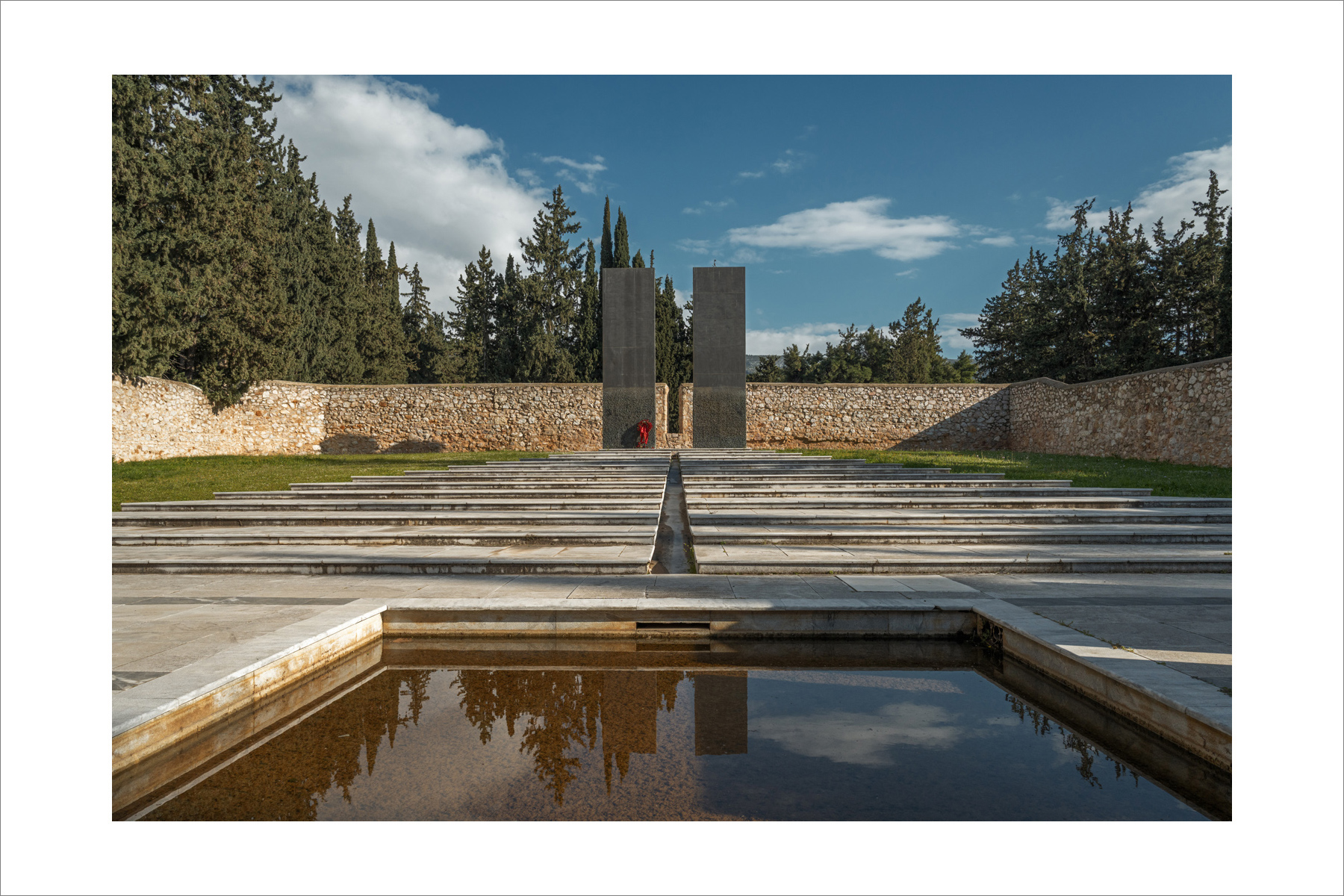
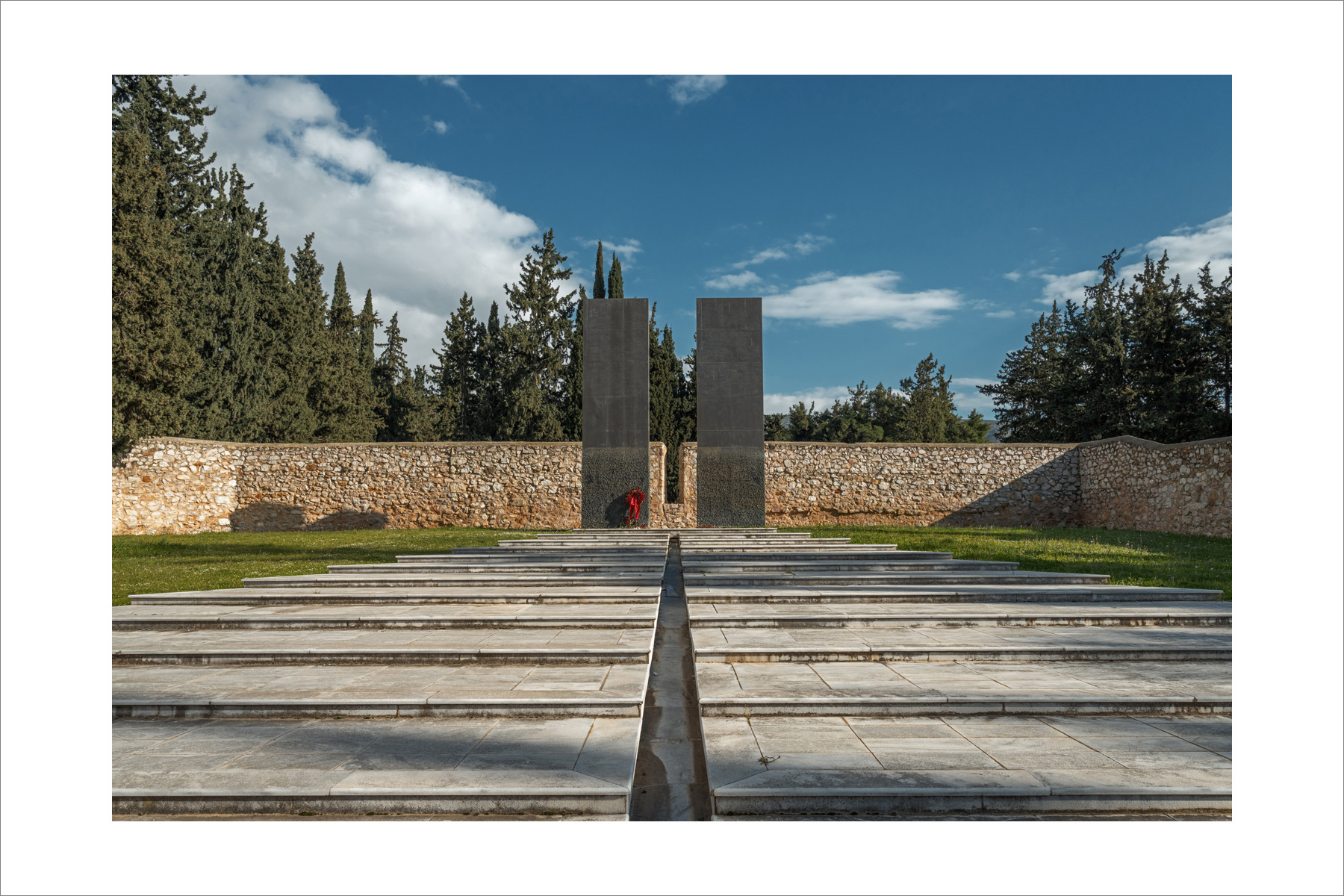
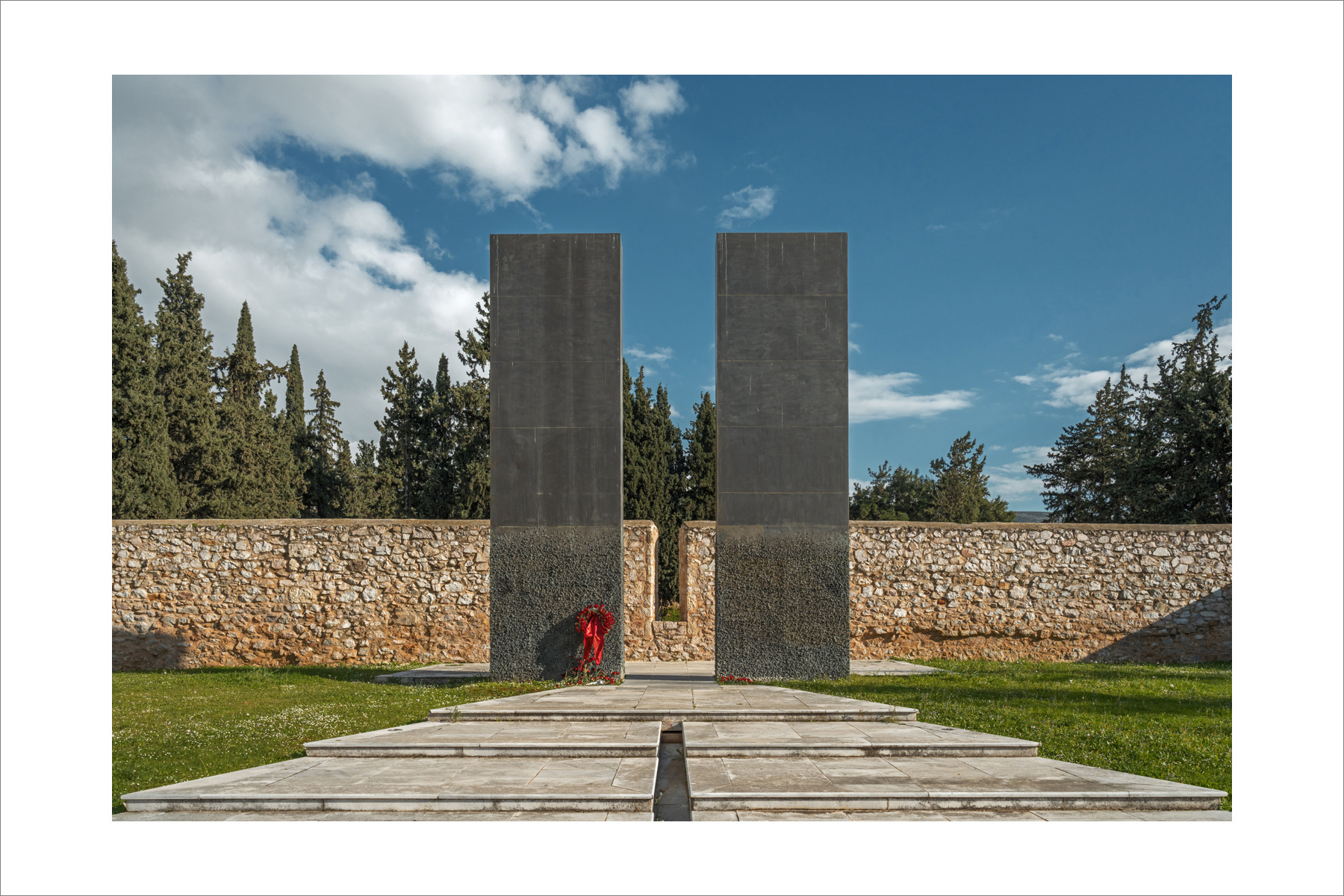
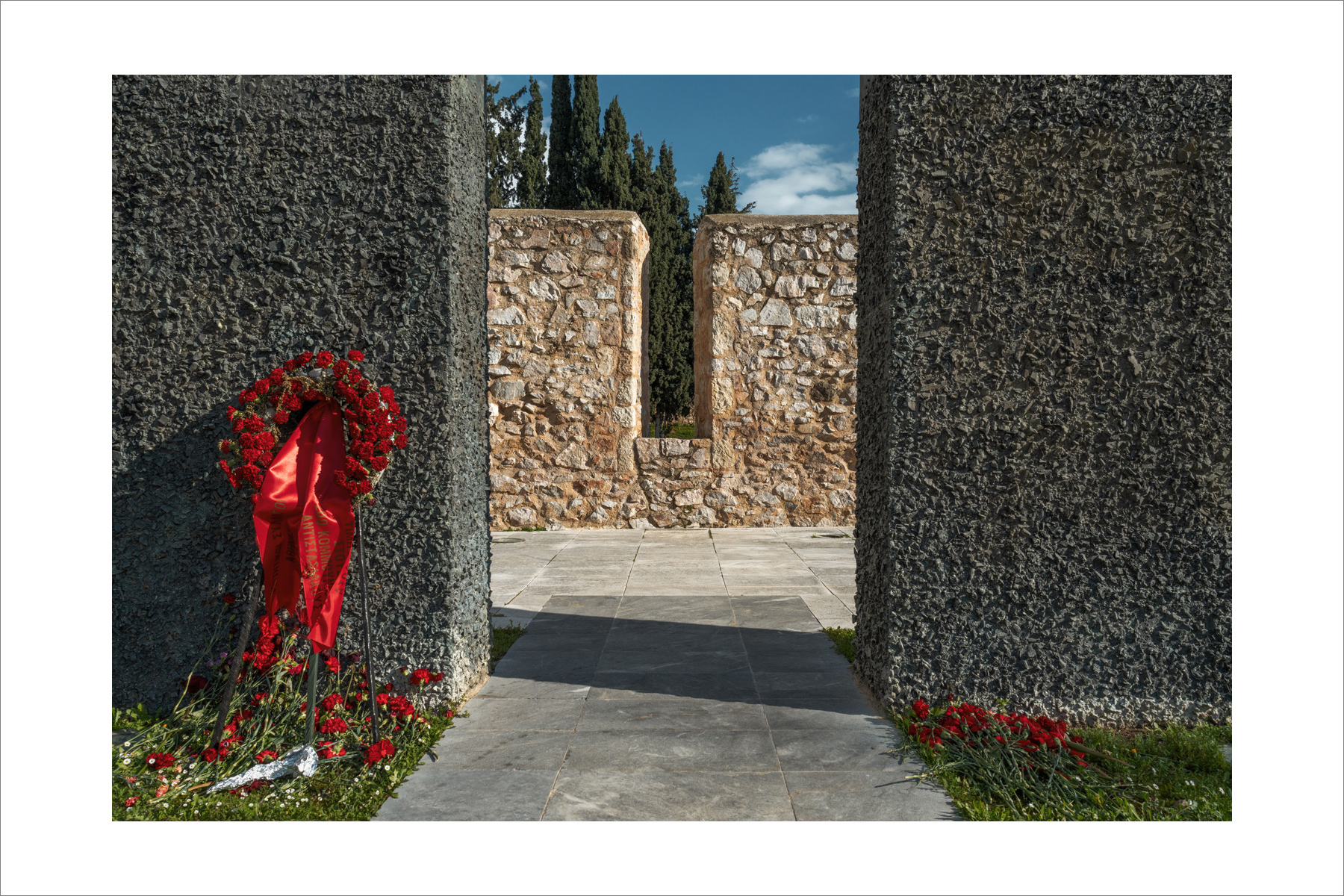
The Kaisariani Shooting Range is one of the most historically charged sites of
memory in modern Greek history, associated above all with the execution of two
hundred resistance fighters on May 1, 1944. The overwhelming majority of those
executed were members and cadres of the Communist Party of Greece (KKE)
and the National Liberation Front (EAM), who had been handed over to the
Occupation authorities by the previous dictatorial regime of the 4th of August,
which had kept them imprisoned.
As a site of martyrdom, the monument is not merely a material construction;
it is a field in which historical, political, and emotional significance converges.
This significance has been further reinforced today with the unveiling
of photographs that the Ministry of Culture characterized as “historical records
and documents of invaluable importance,” declaring them monuments in their
entirety.
A monument is not simply stone or structure; it is memory itself taking form.
As the National Technical University of Athens professor Charalambos Bouras notes,
a monument is “anything that recalls to memory something that happened in the past.”
With this formulation, the definition expands beyond ancient theaters or temples:
a monument may be a place, an object, or a construction that functions as a bridge
between then and now. It is a carrier of remembrance, the point at which time pauses
and calls upon us to remember.
An even more penetrating approach is offered by Vassilis Lambrinoudakis, Emeritus
Professor of Classical Archaeology at the University of Athens: “Whatever is imprinted
upon memory is worthy of remembrance — or imposes itself upon it. The material
remnants of the human past are worthy of memory, and therefore monuments, as
testimonies of the human experience necessary for self-knowledge.”
By bringing these two perspectives together, we understand that the monument
constitutes a living dialogue with the past. Through monuments we do not merely come
to know history; we come to know ourselves. The material traces of the past —
buildings, sculptures, places — are transformed into mirrors of our collective and
individual identity.
Within the context of photography, the depiction of a monument does not simply convey
information; it shapes, both ethically and aesthetically, our relationship with
the past. The gaze is trained to pay attention, to remember, to reflect. Every image
of a monument becomes a form of “ethics of seeing,” as Susan Sontag writes in her
essay On Photography: it compels us to stand before human experience and respect it.
Thus, the question is not only what we see, but who we become through what we learn
to see.
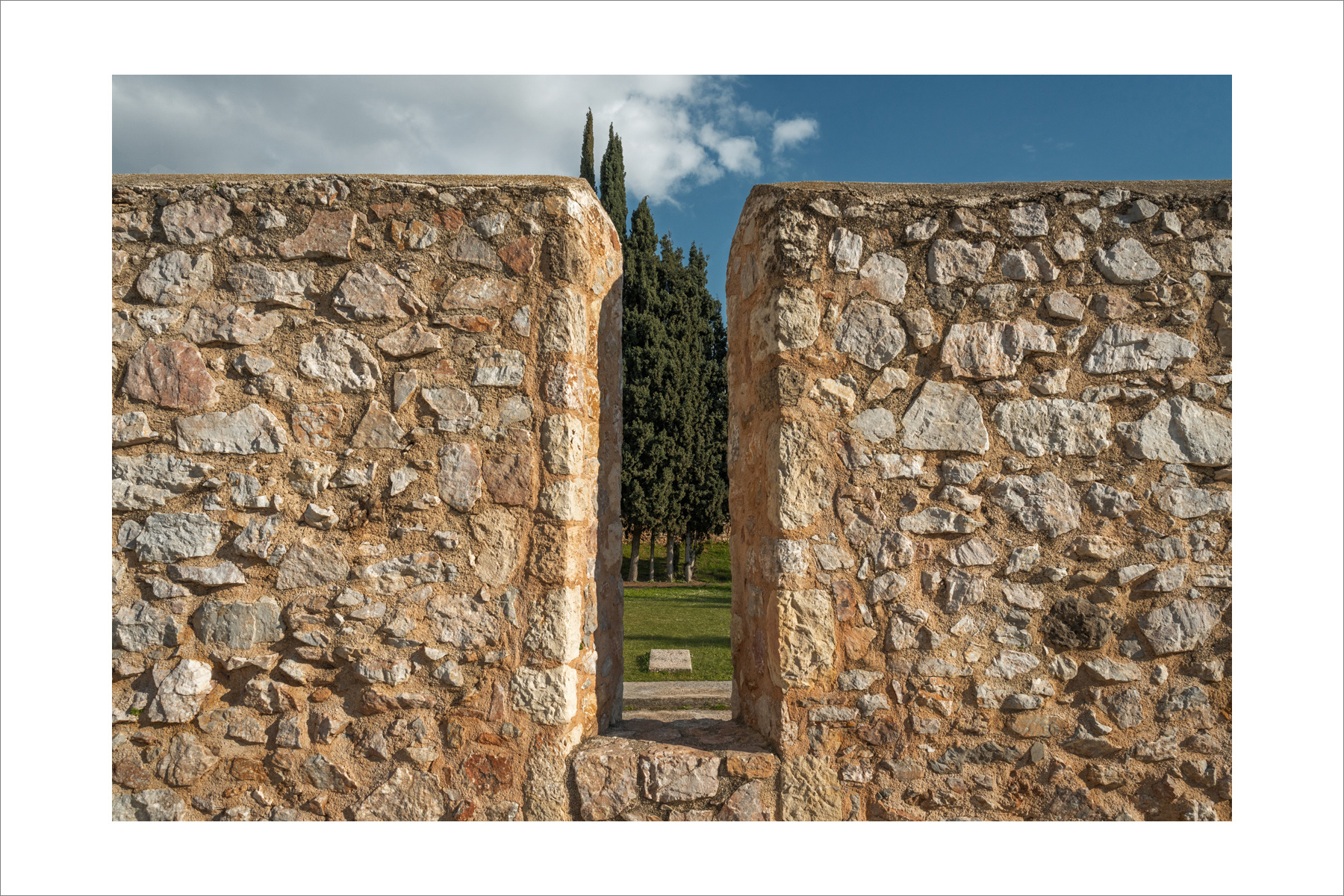
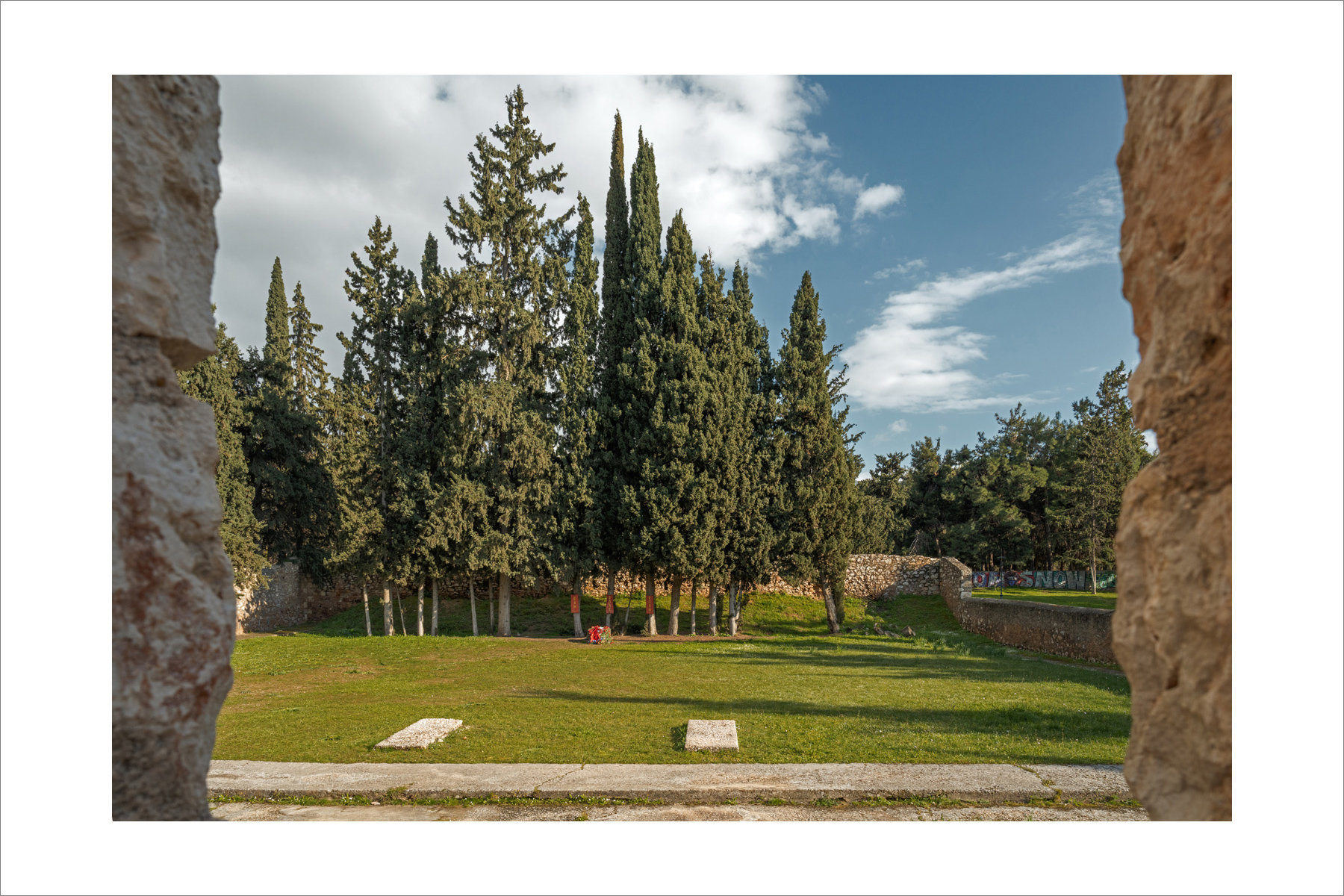
The photographic penetration of the Kaisariani Shooting Range is not a simple aesthetic
act; it is an act of memory and ethical positioning. The space, charged with the history
of executions — and especially that of May 1, 1944 — does not permit neutral recording.
It demands a conscious stance: an effort to transform the site from a mere geographical
point into a field of contemplation, where the image does not speak loudly but persists
in silence.
At the Shooting Range, photography becomes something more than an aesthetic result:
it becomes an act of memory, a stance of vision, and an ethical choice. The act of
penetration is not technical; it is a conscious positioning in relation to history.
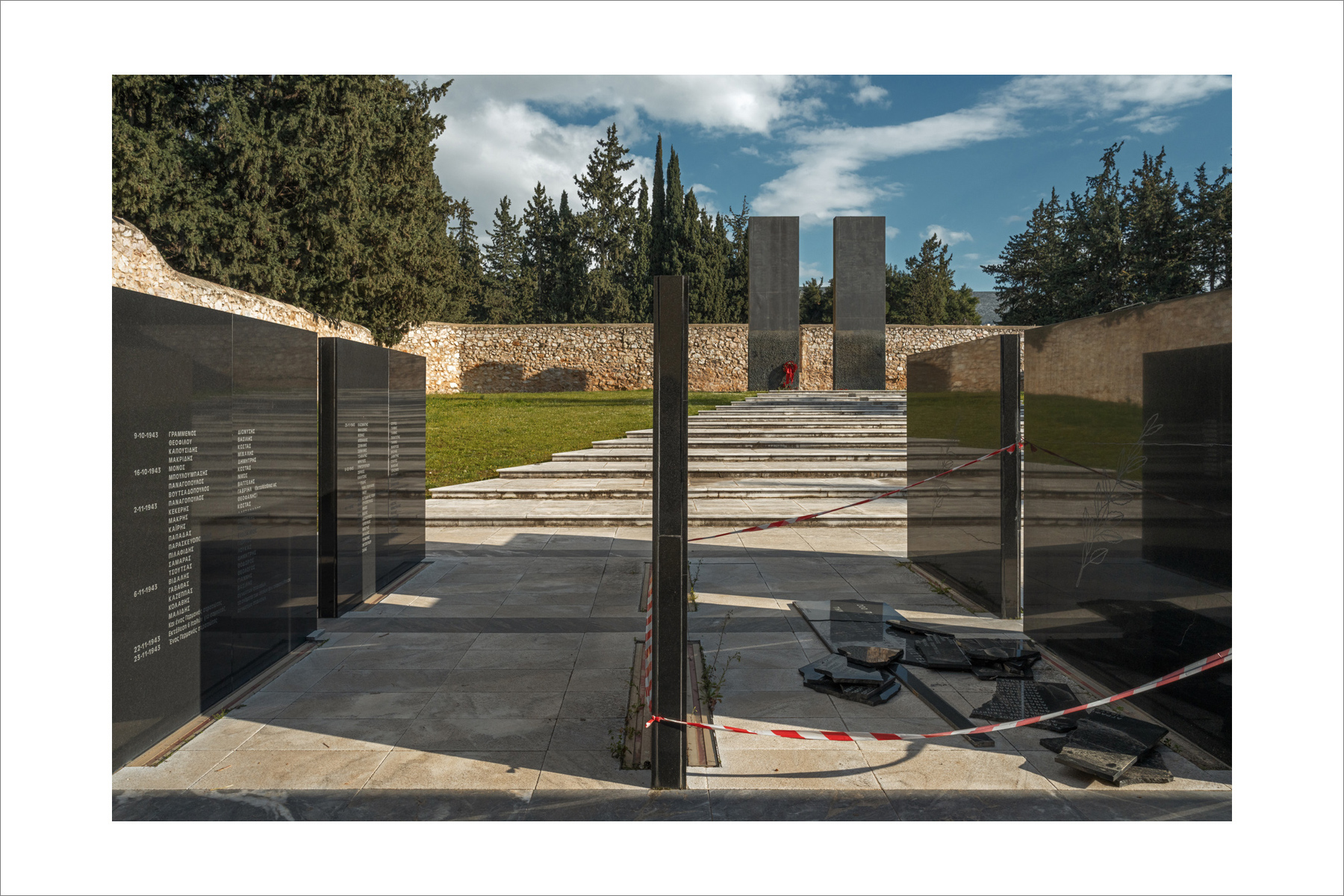
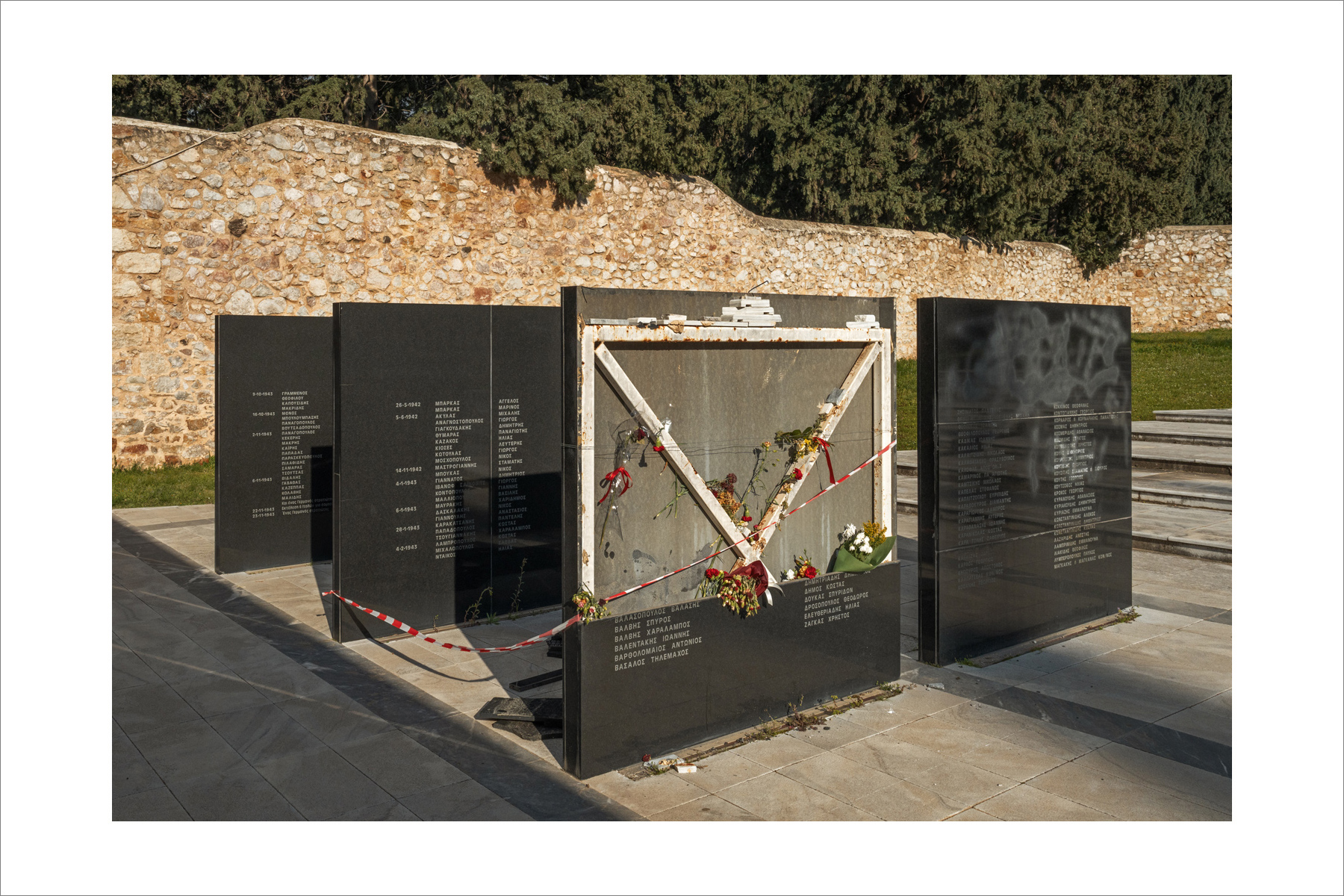
This is also the reason the photographs of the monument’s broken plaques were selected
— a profane act that occurred only a few hours after the publication of the historic
photographs — and which have since been restored.
Historical memory does not fade.
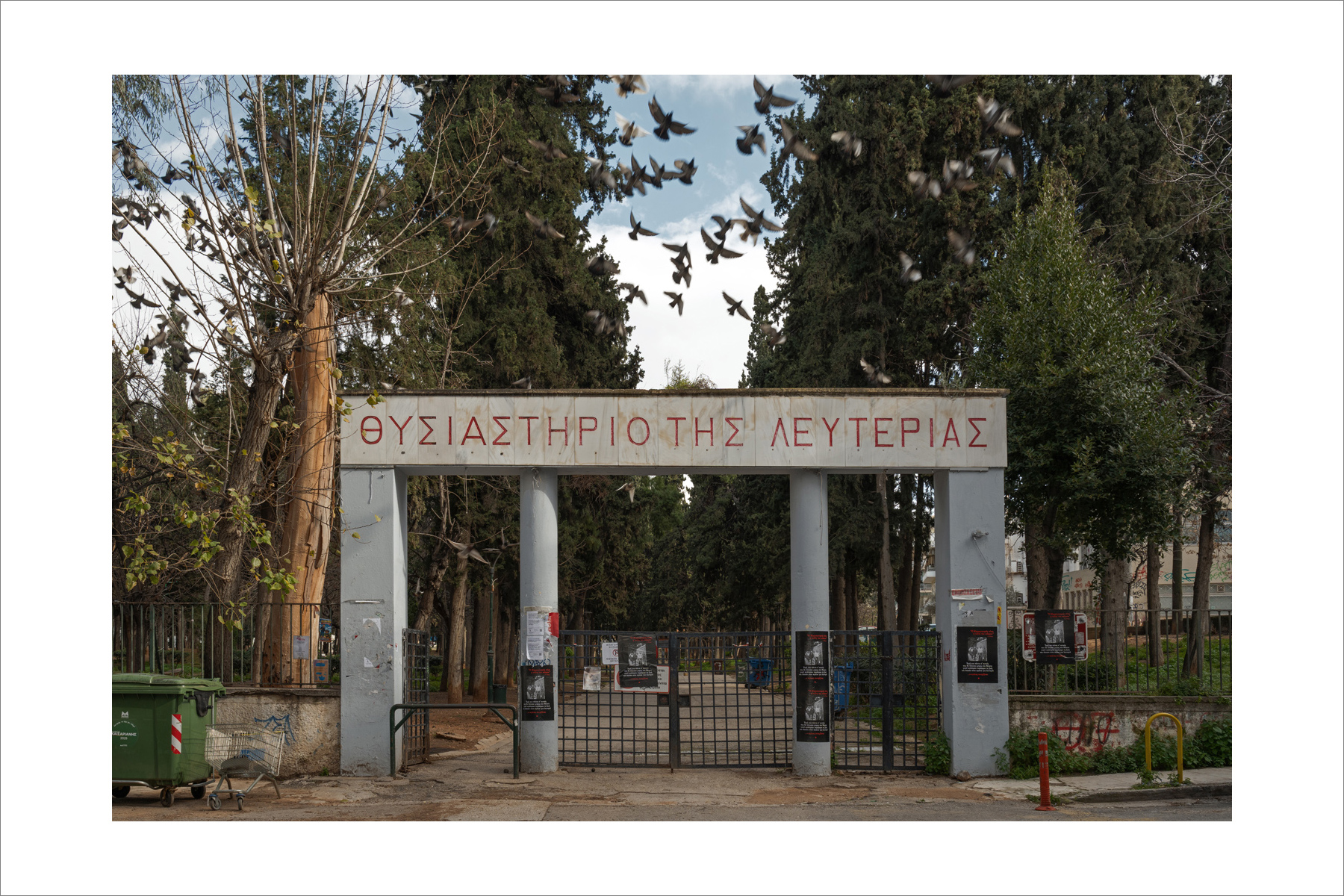 Kaisariani Shooting Range, 2026 | 1/33
 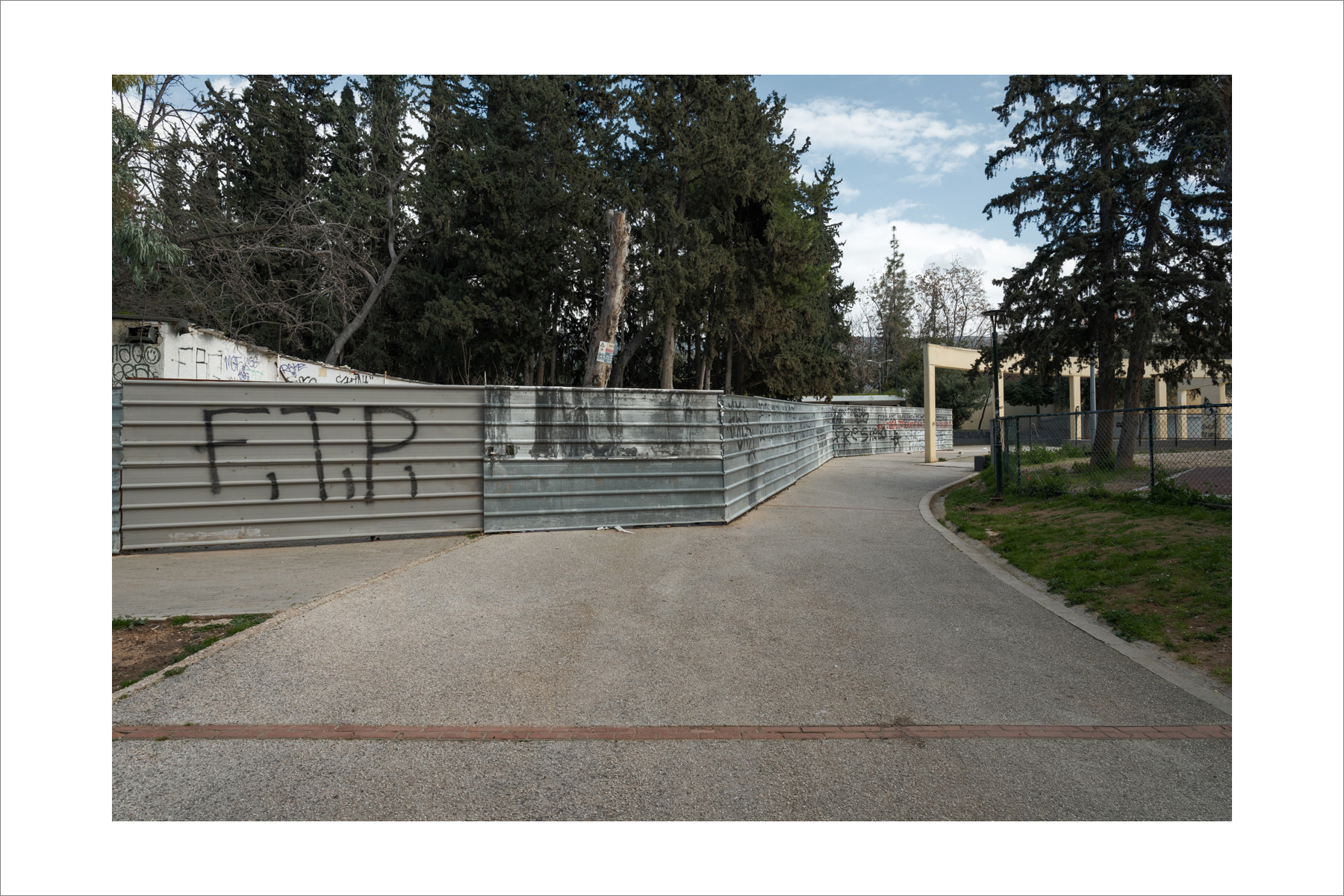 Kaisariani Shooting Range, 2026 | 2/33
 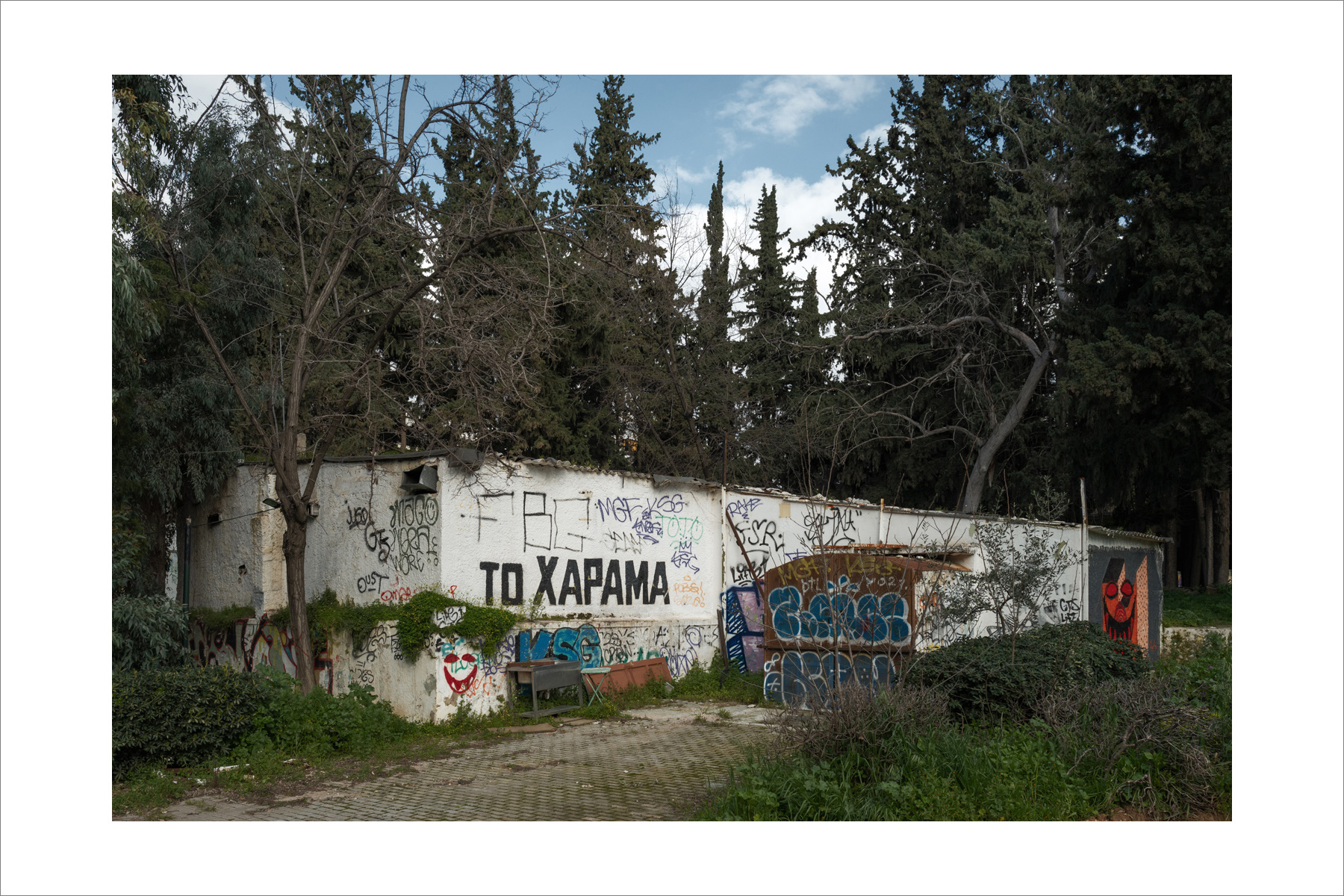 Kaisariani Shooting Range, 2026 | 3/33
 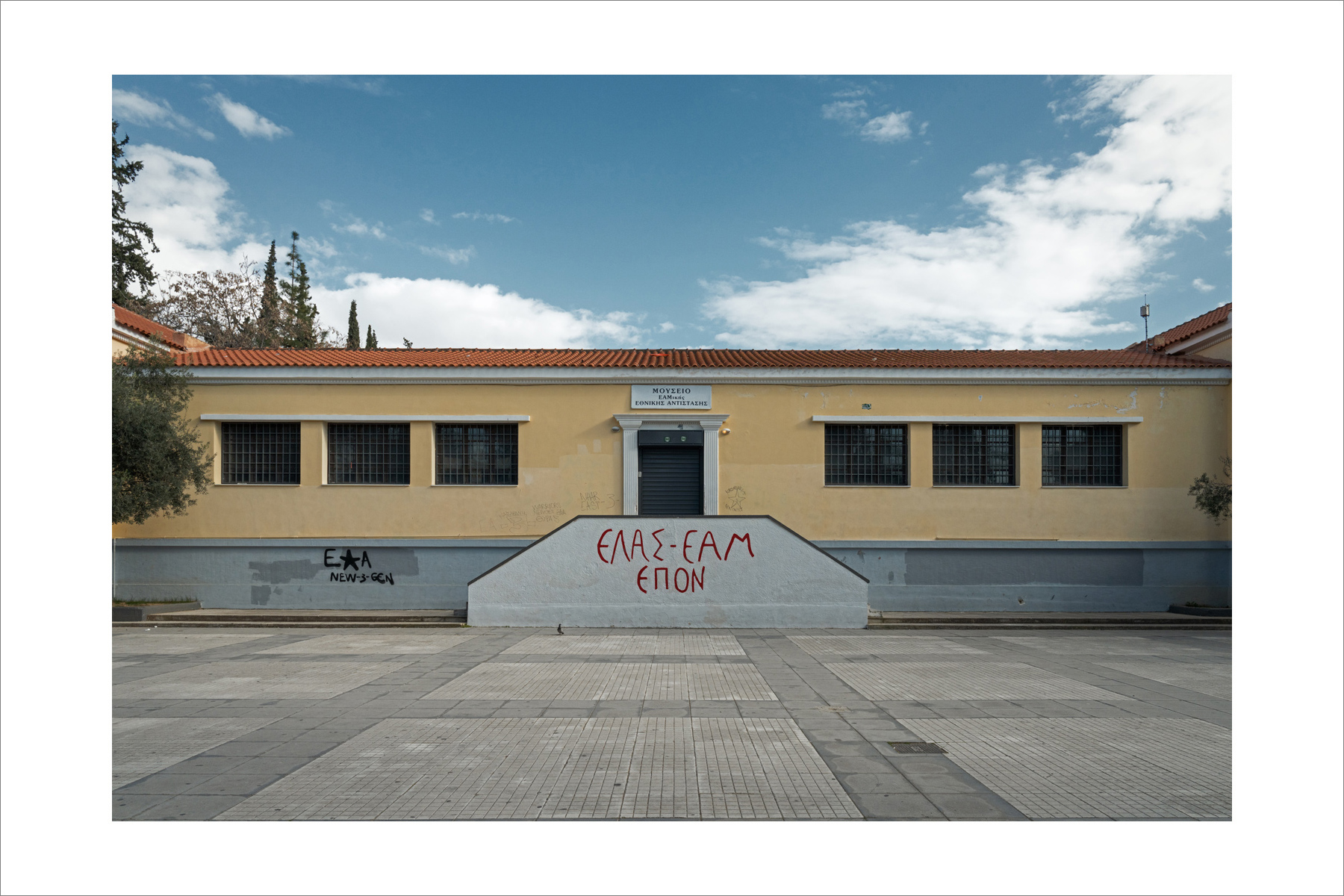 Kaisariani Shooting Range, 2026 | 4/33
 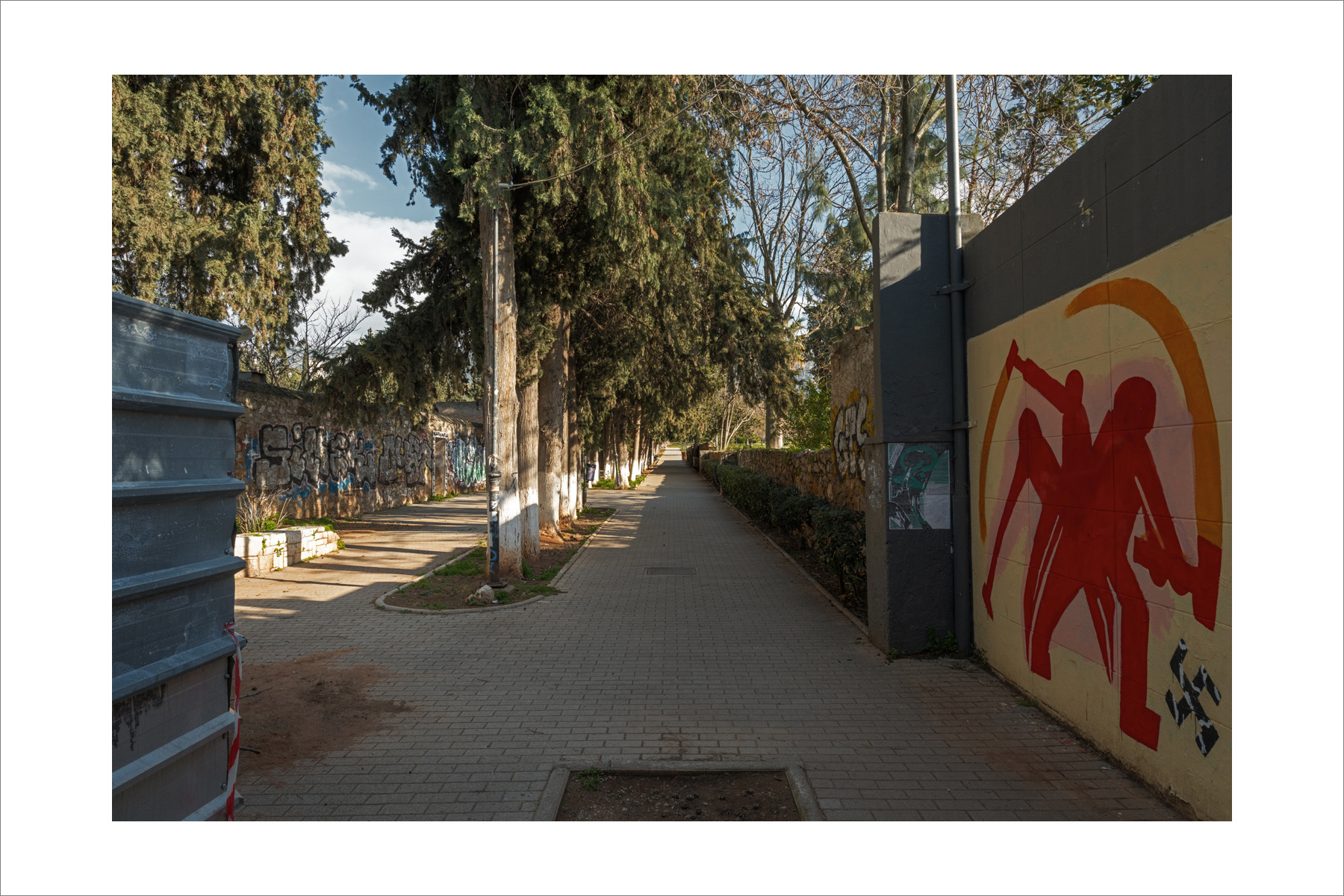 Kaisariani Shooting Range, 2026 | 5/33
 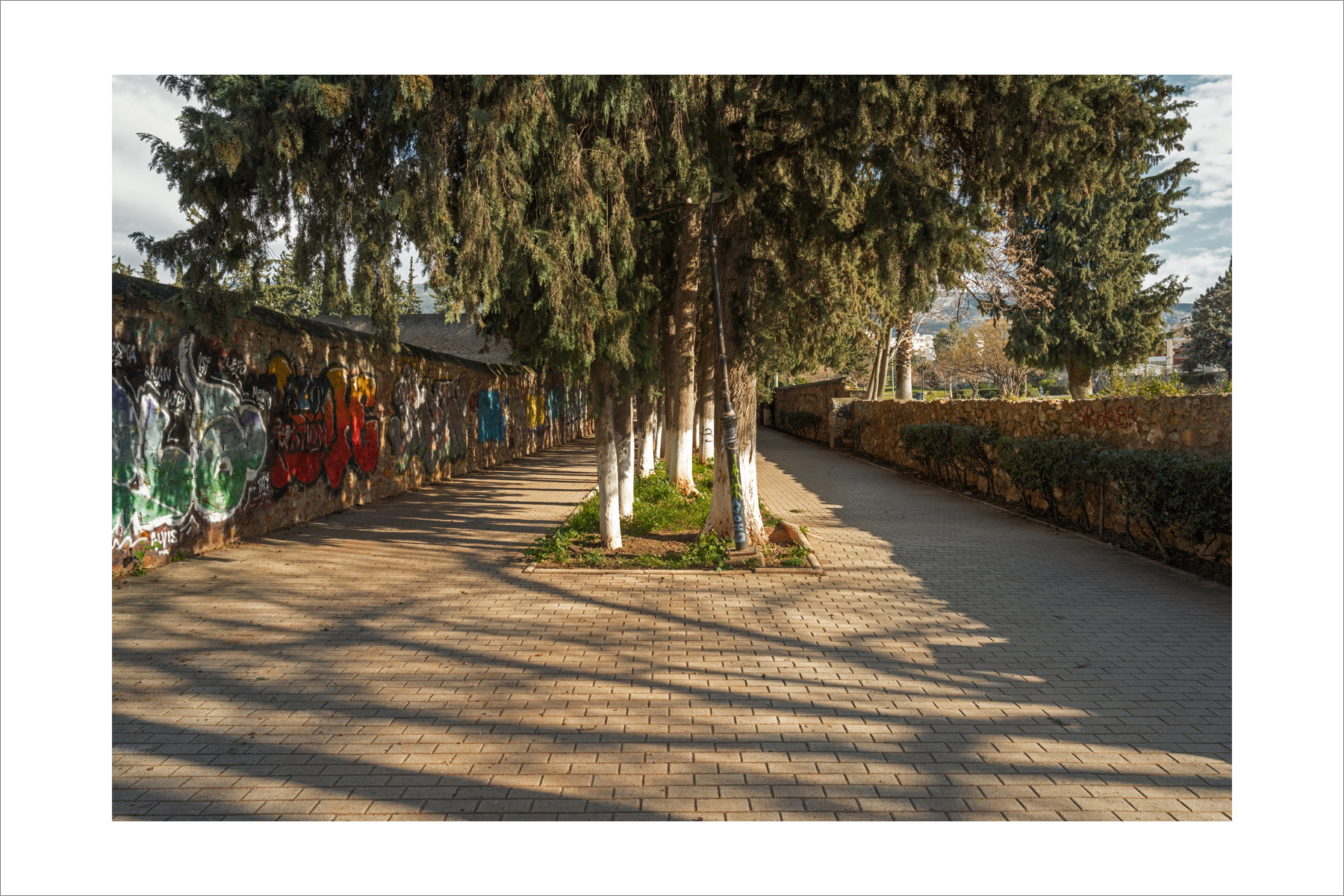 Kaisariani Shooting Range, 2026 | 6/33
 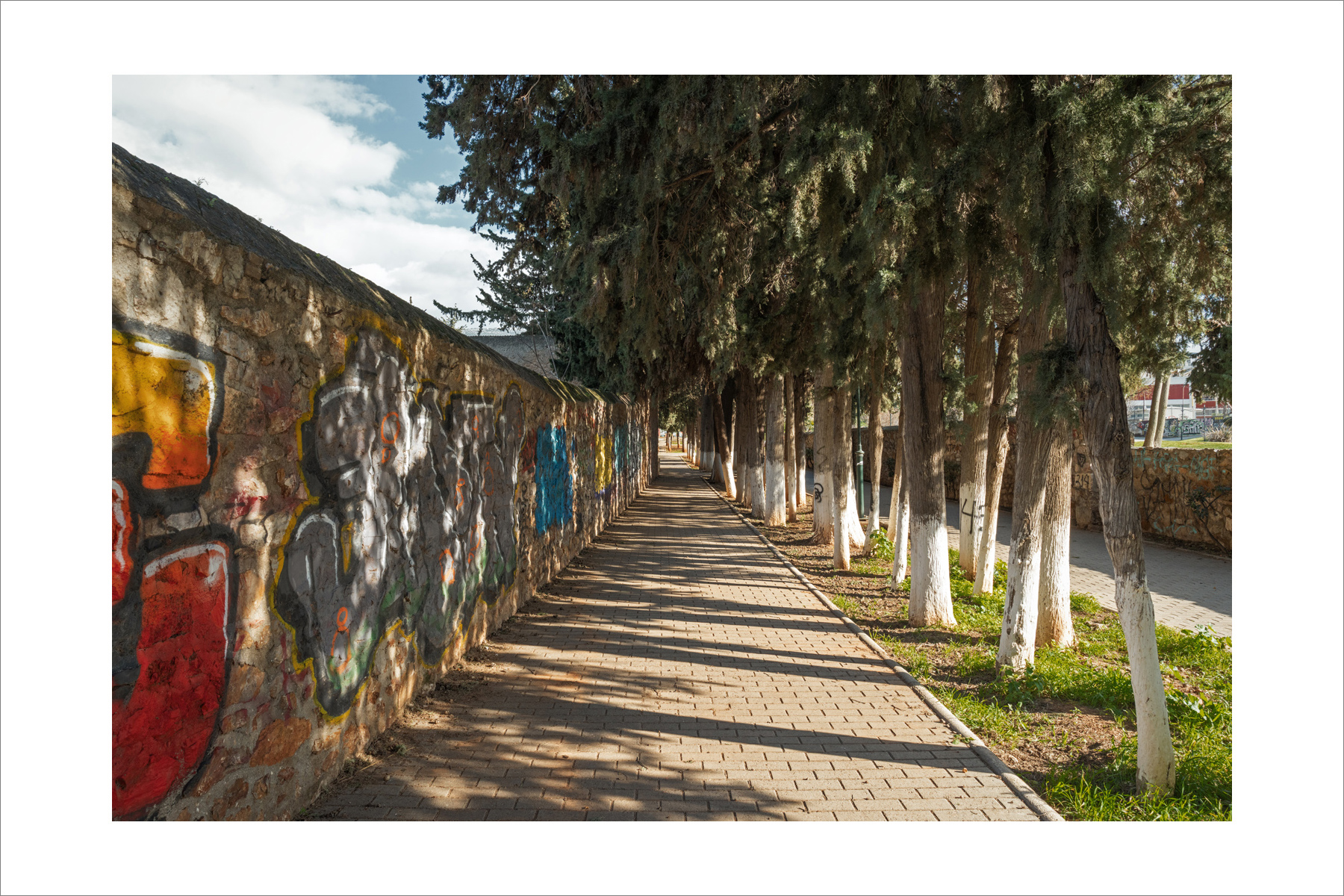 Kaisariani Shooting Range, 2026 | 7/33
 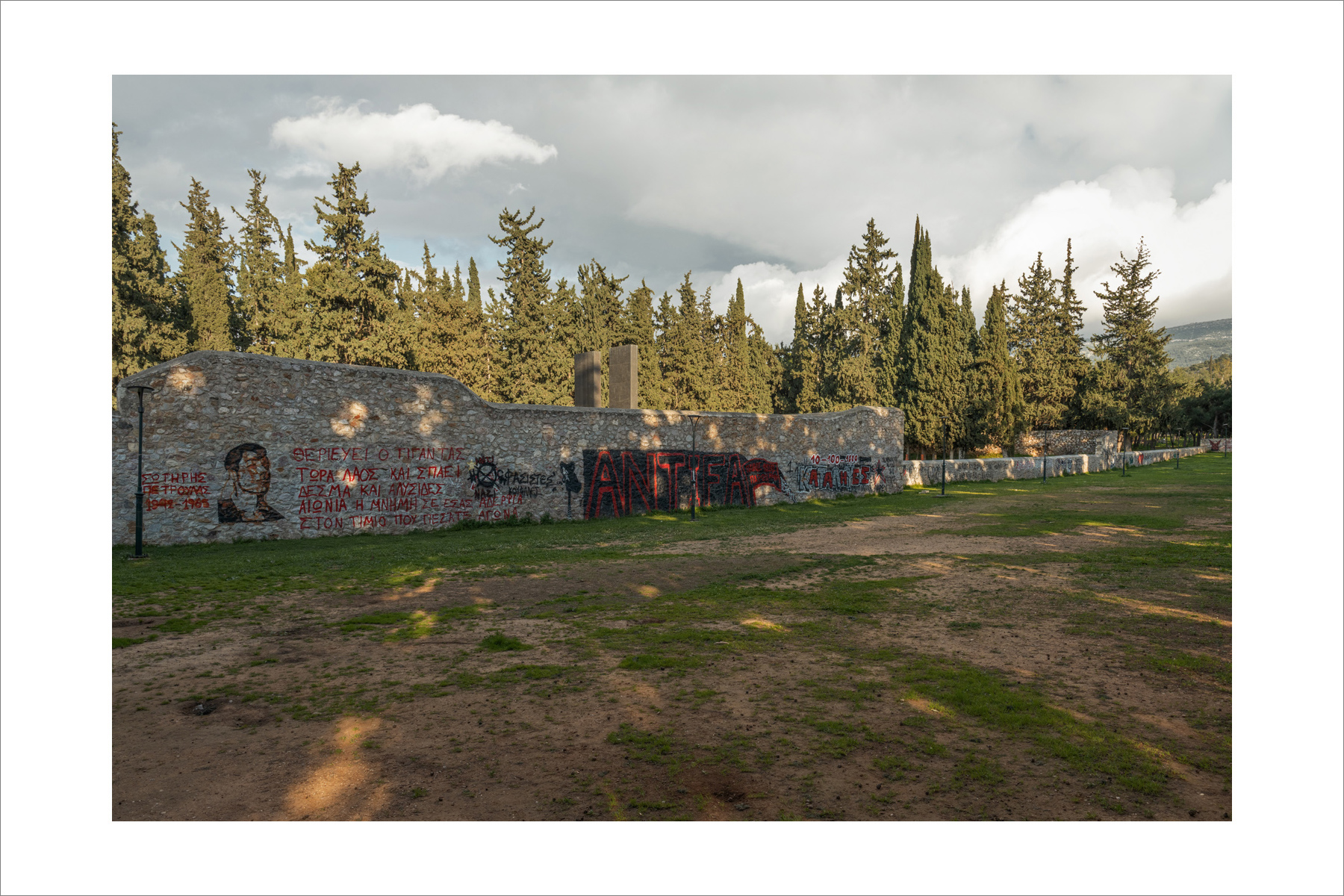 Kaisariani Shooting Range, 2026 | 8/33
 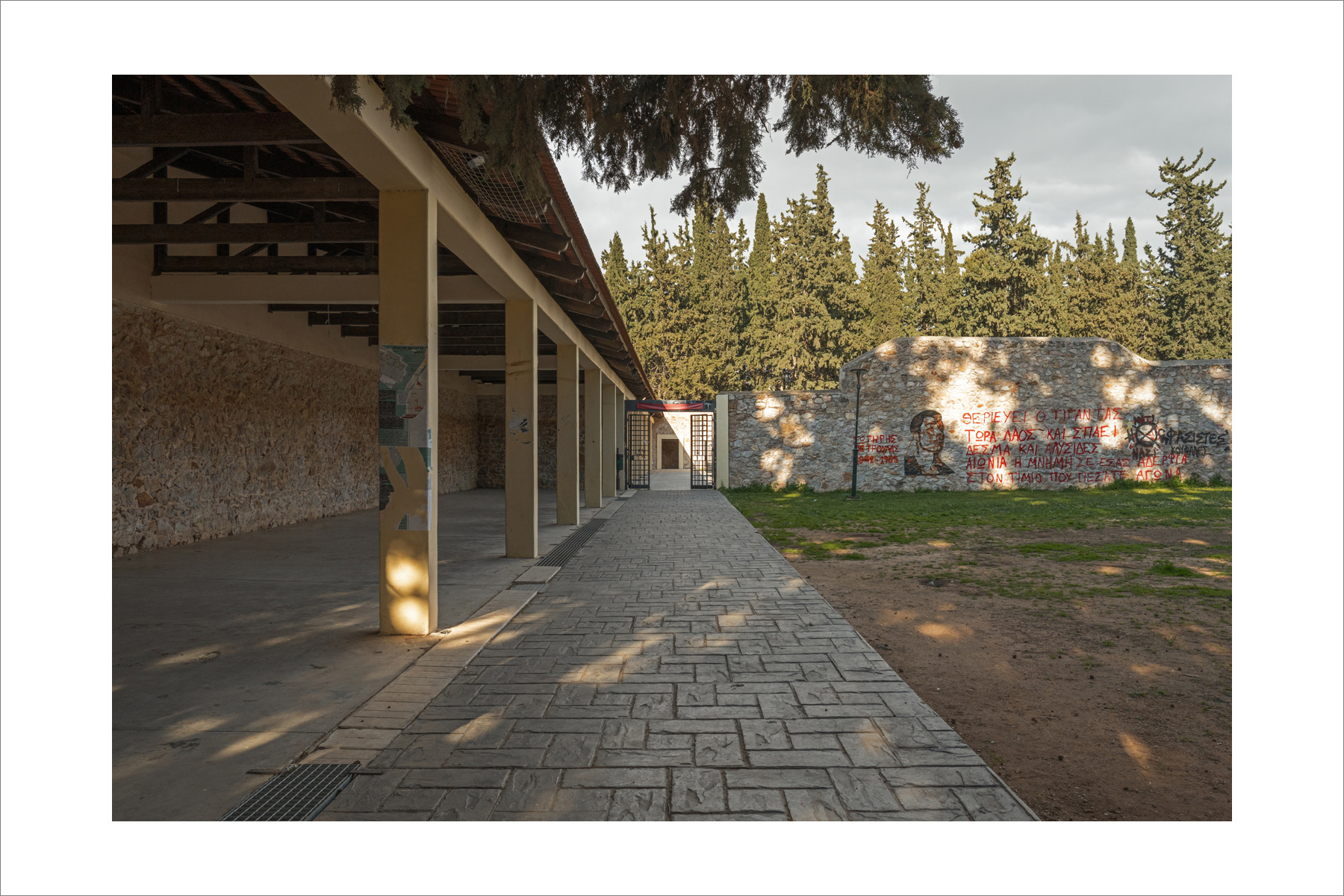 Kaisariani Shooting Range, 2026 | 9/33
 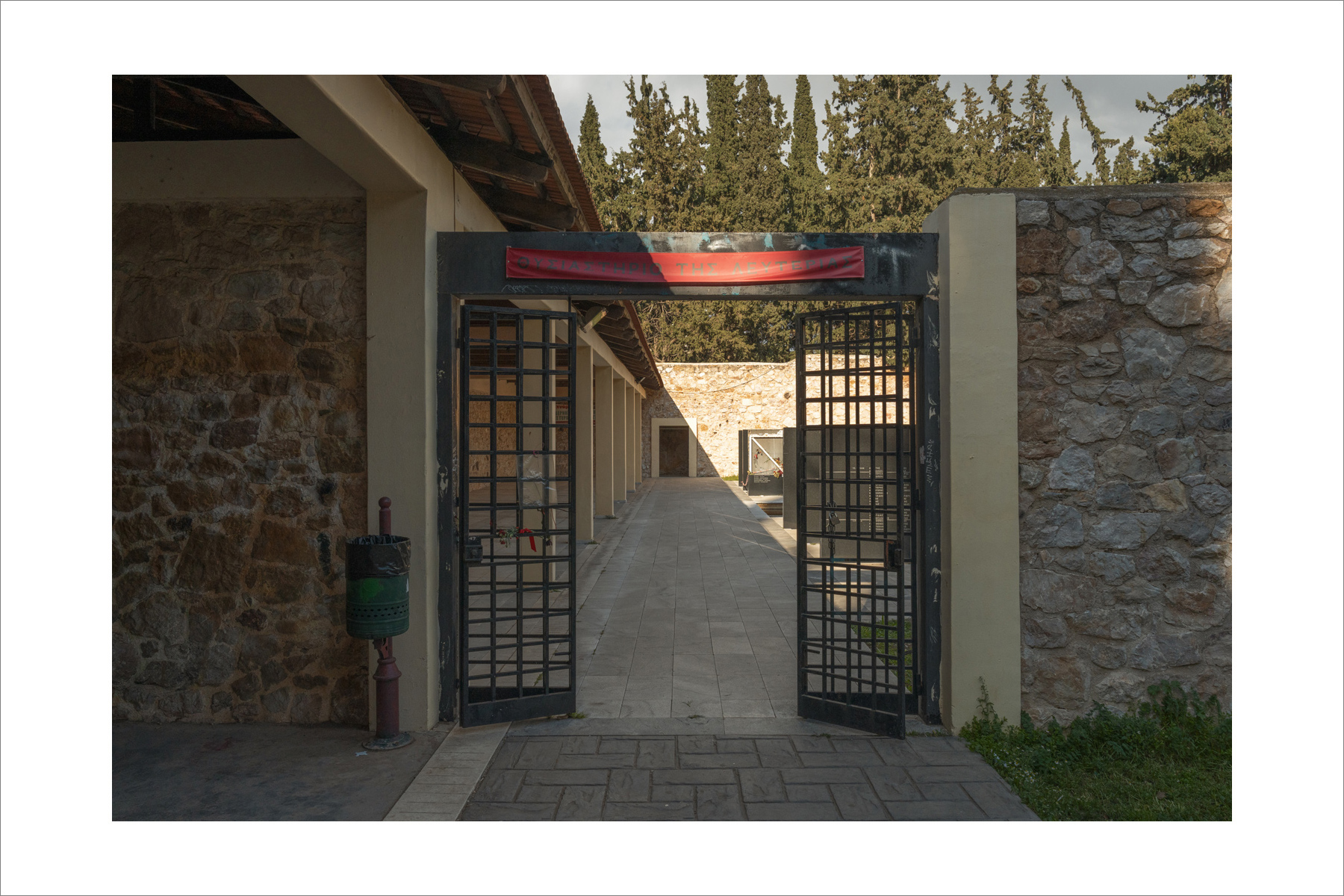 Kaisariani Shooting Range, 2026 | 10/33
 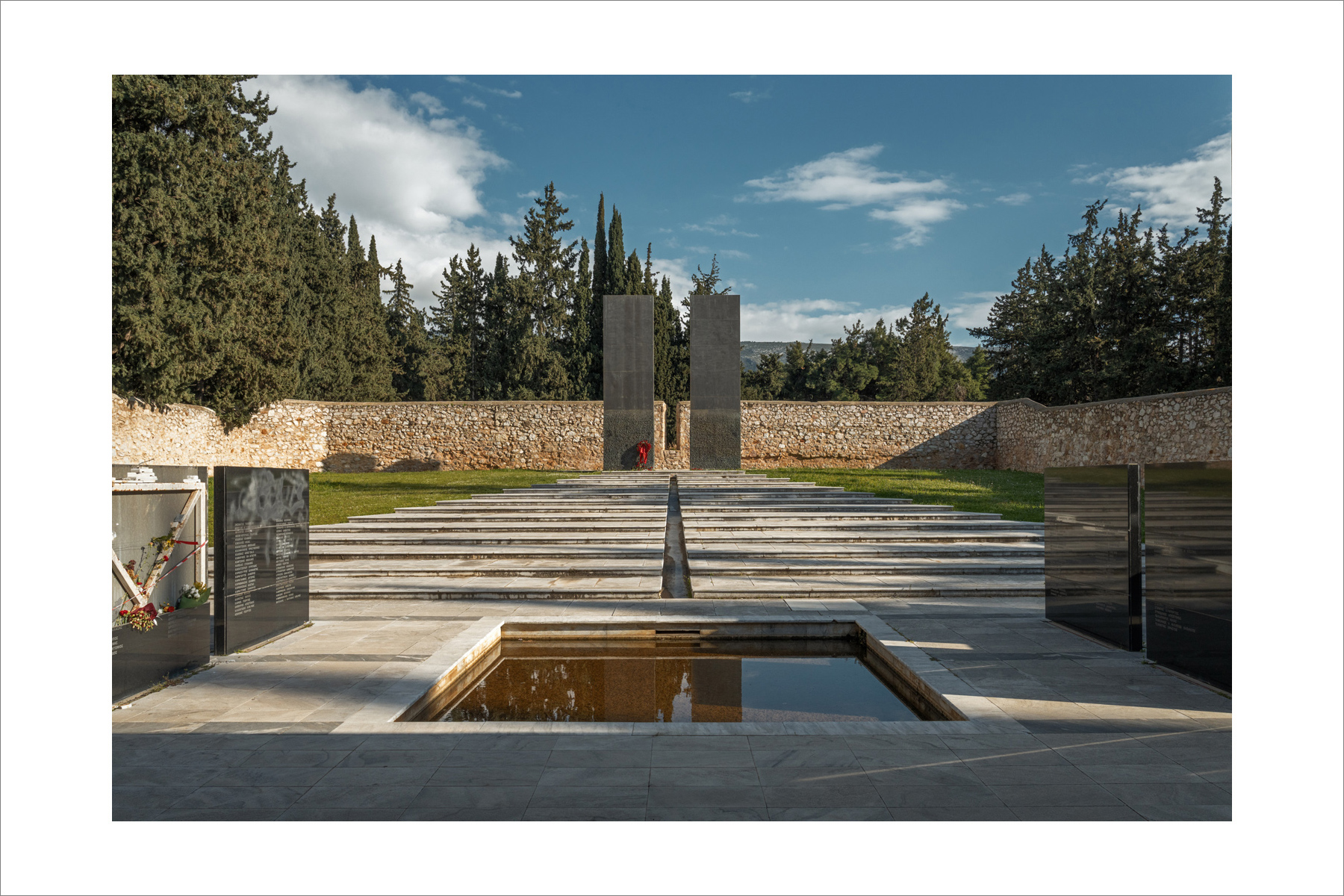 Kaisariani Shooting Range, 2026 | 11/33
 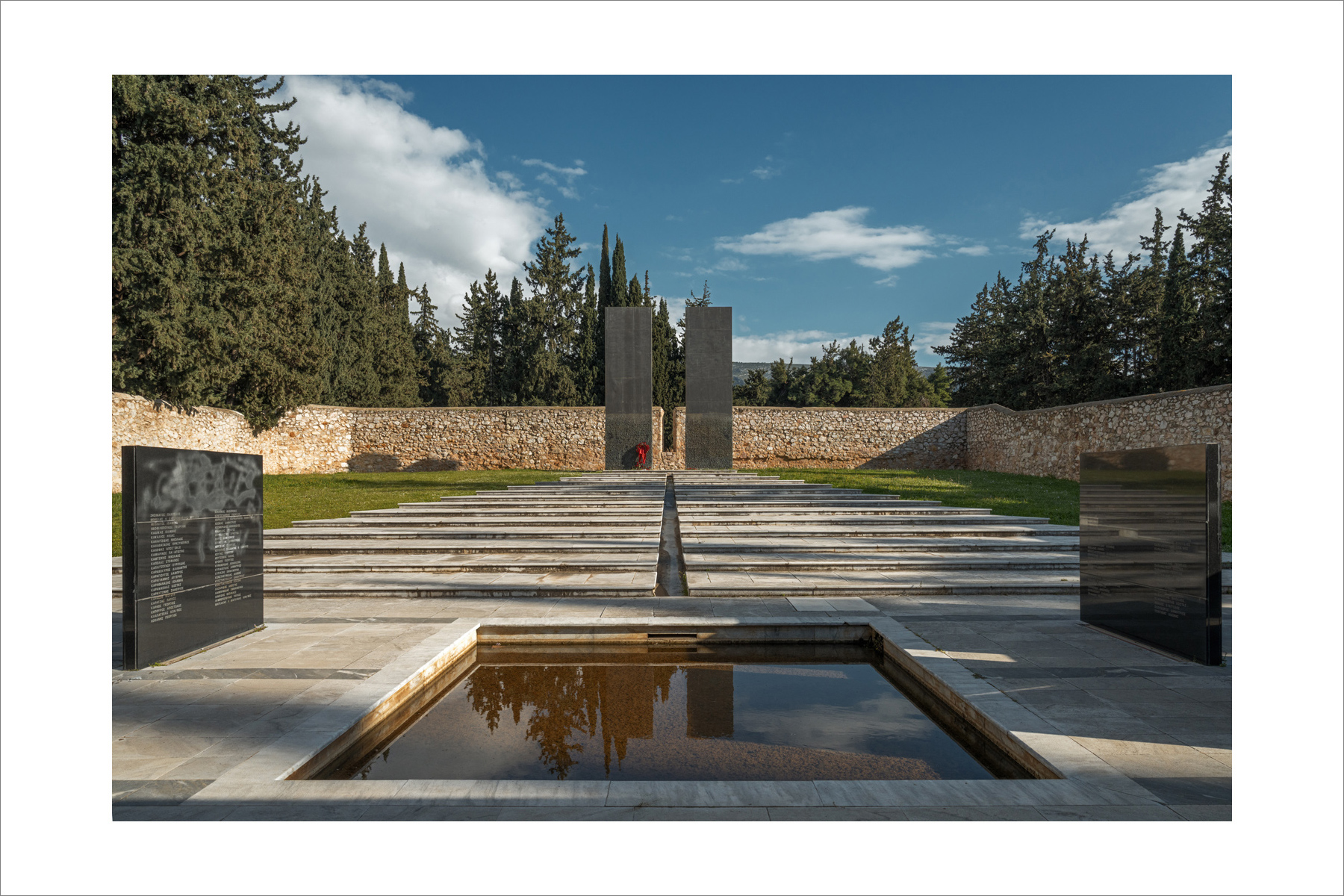 Kaisariani Shooting Range, 2026 | 12/33
  Kaisariani Shooting Range, 2026 | 13/33
  Kaisariani Shooting Range, 2026 | 14/33
  Kaisariani Shooting Range, 2026 | 15/33
  Kaisariani Shooting Range, 2026 | 16/33
  Kaisariani Shooting Range, 2026 | 17/33
  Kaisariani Shooting Range, 2026 | 18/33
  Kaisariani Shooting Range, 2026 | 19/33
  Kaisariani Shooting Range, 2026 | 20/33
 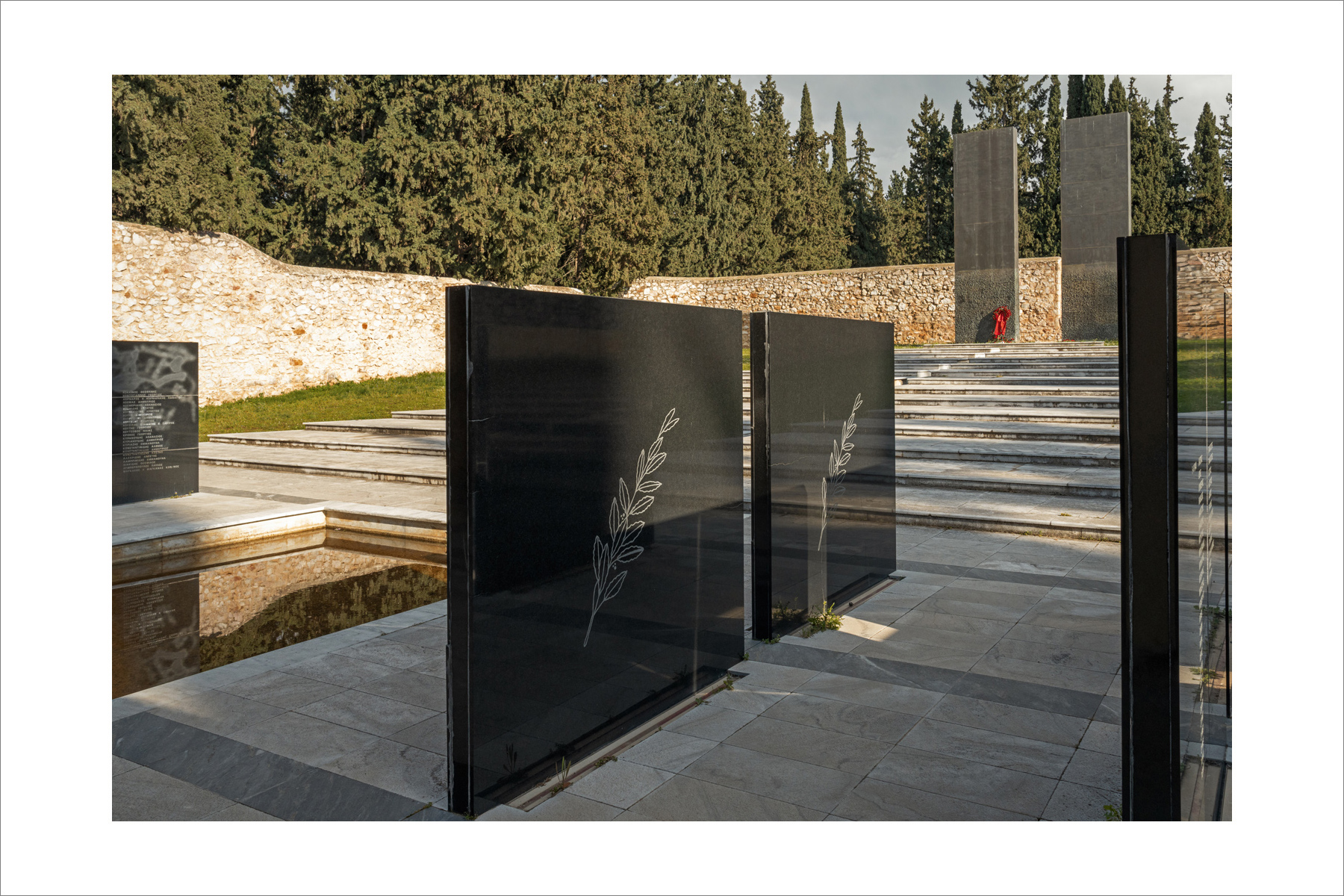 Kaisariani Shooting Range, 2026 | 21/33
 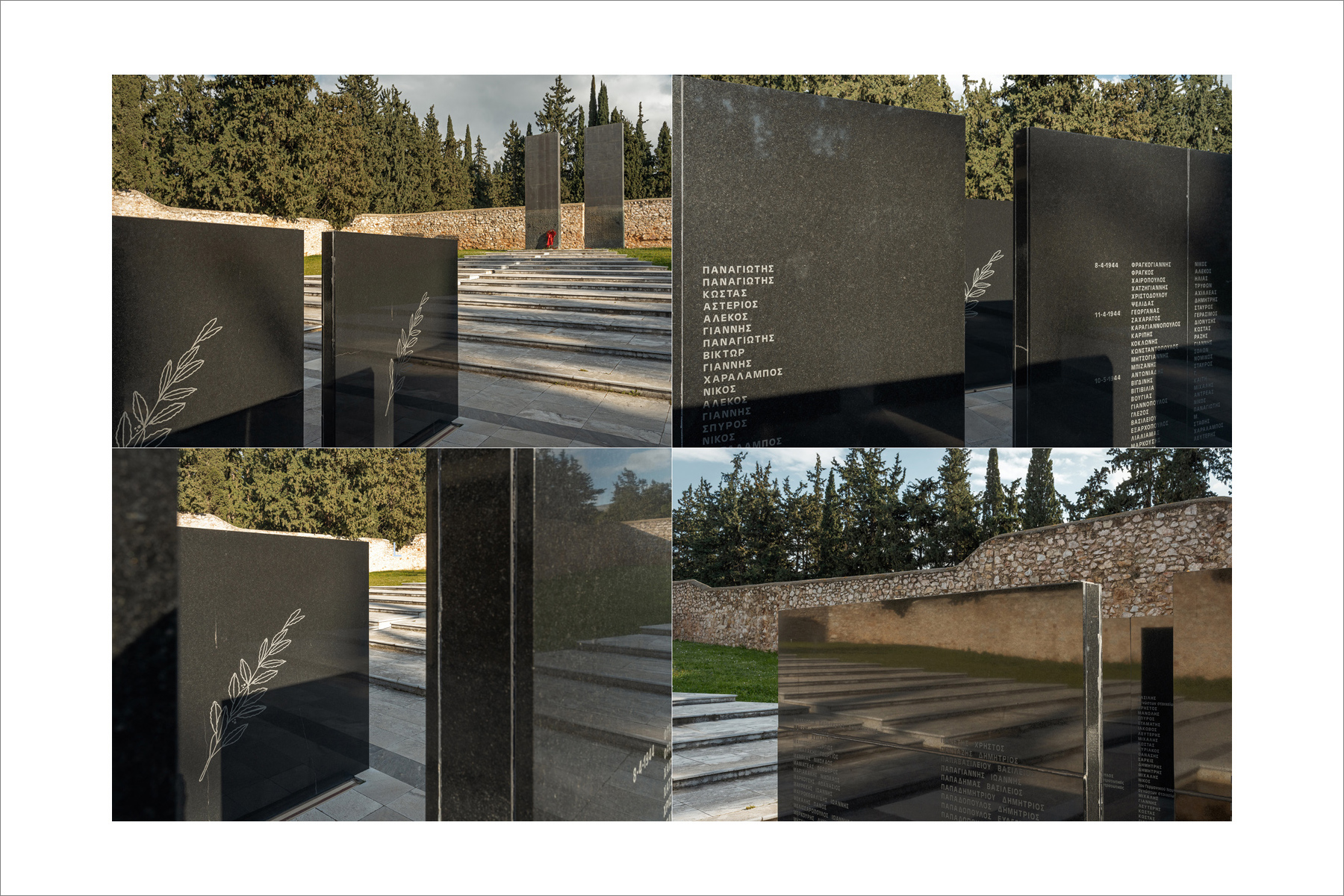 Kaisariani Shooting Range, 2026 | 22/33
 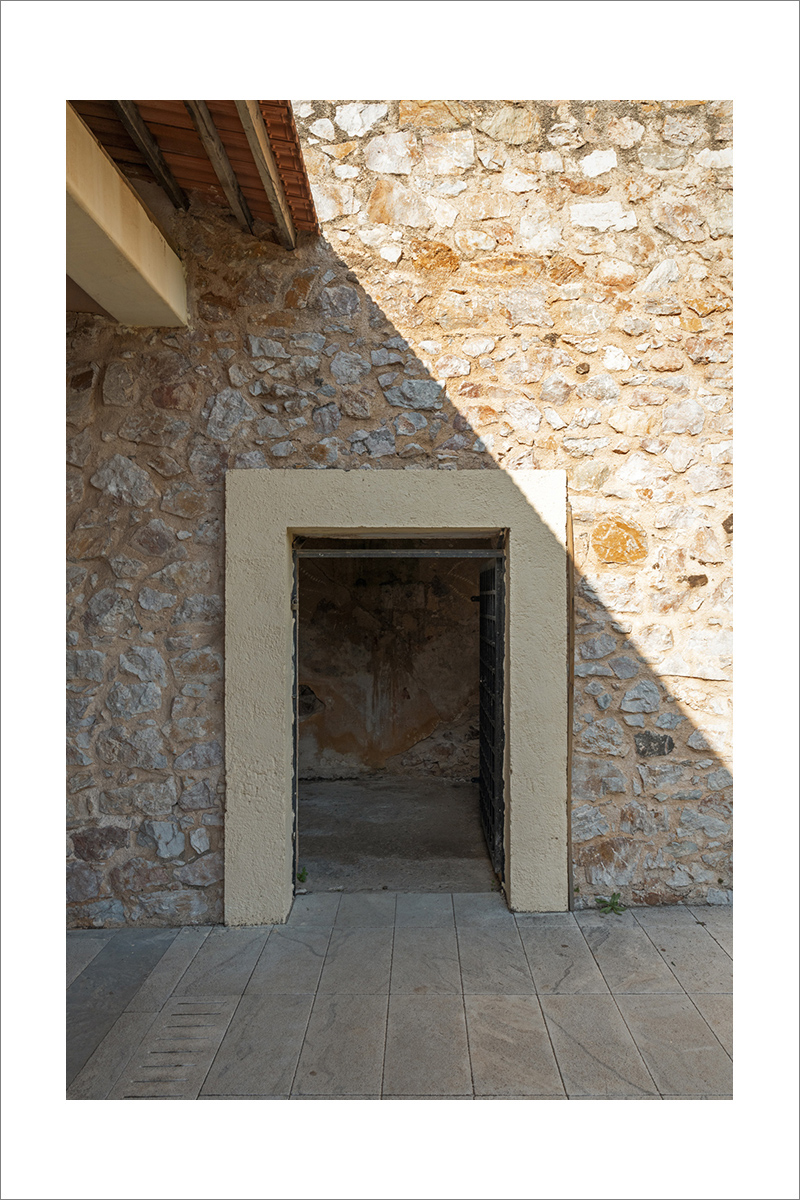 Kaisariani Shooting Range, 2026 | 23/33
 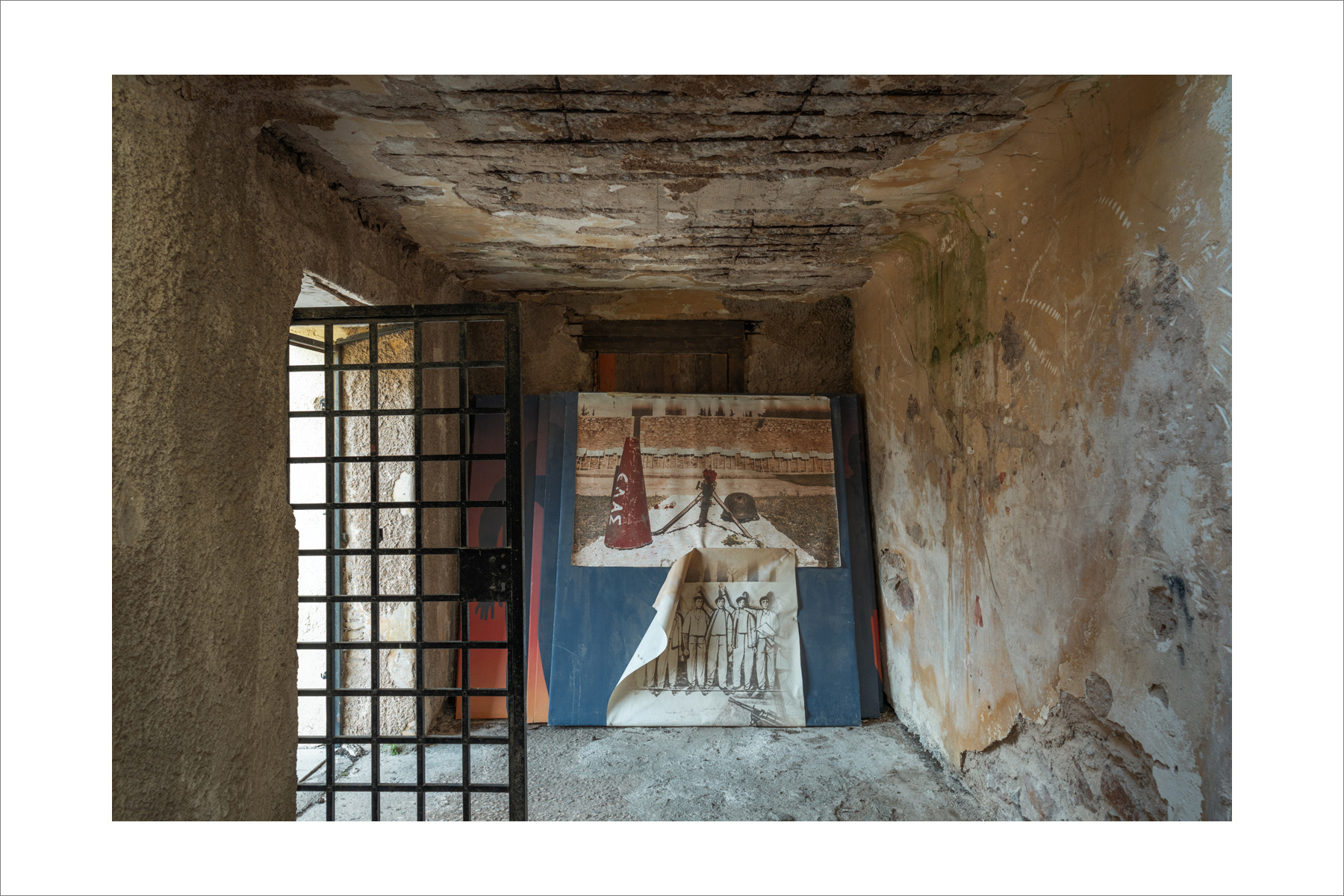 Kaisariani Shooting Range, 2026 | 24/33
 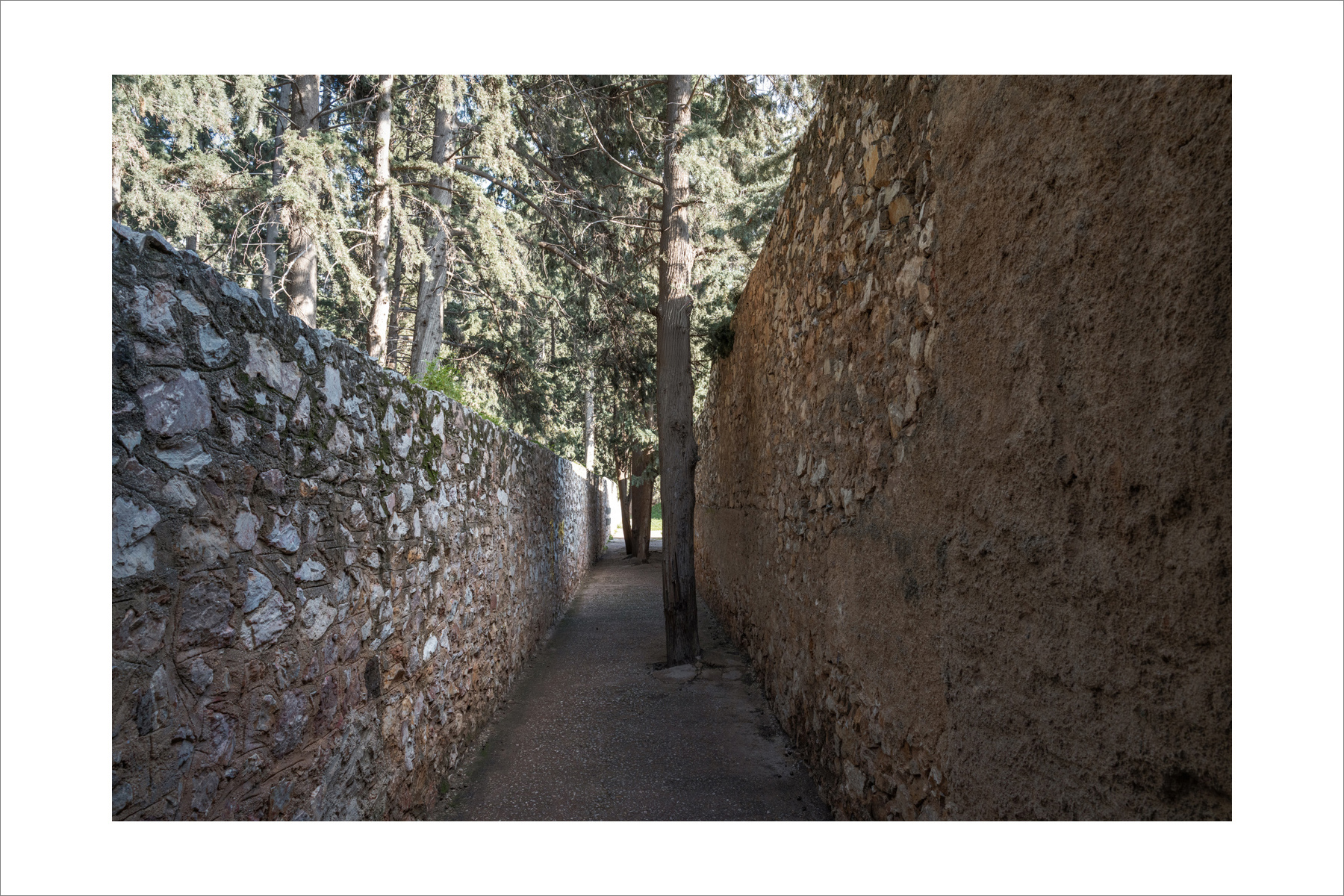 Kaisariani Shooting Range, 2026 | 25/33
 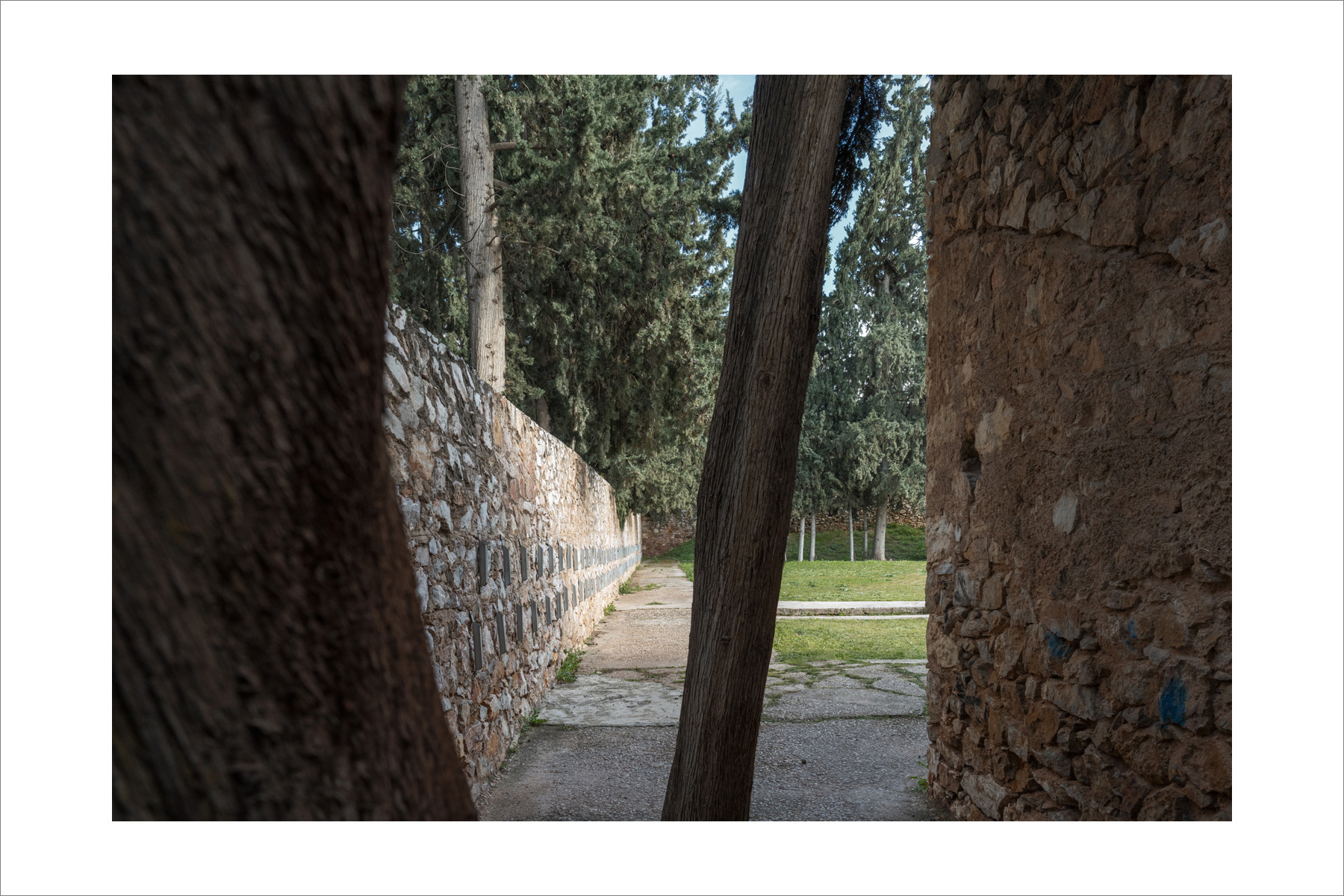 Kaisariani Shooting Range, 2026 | 26/33
 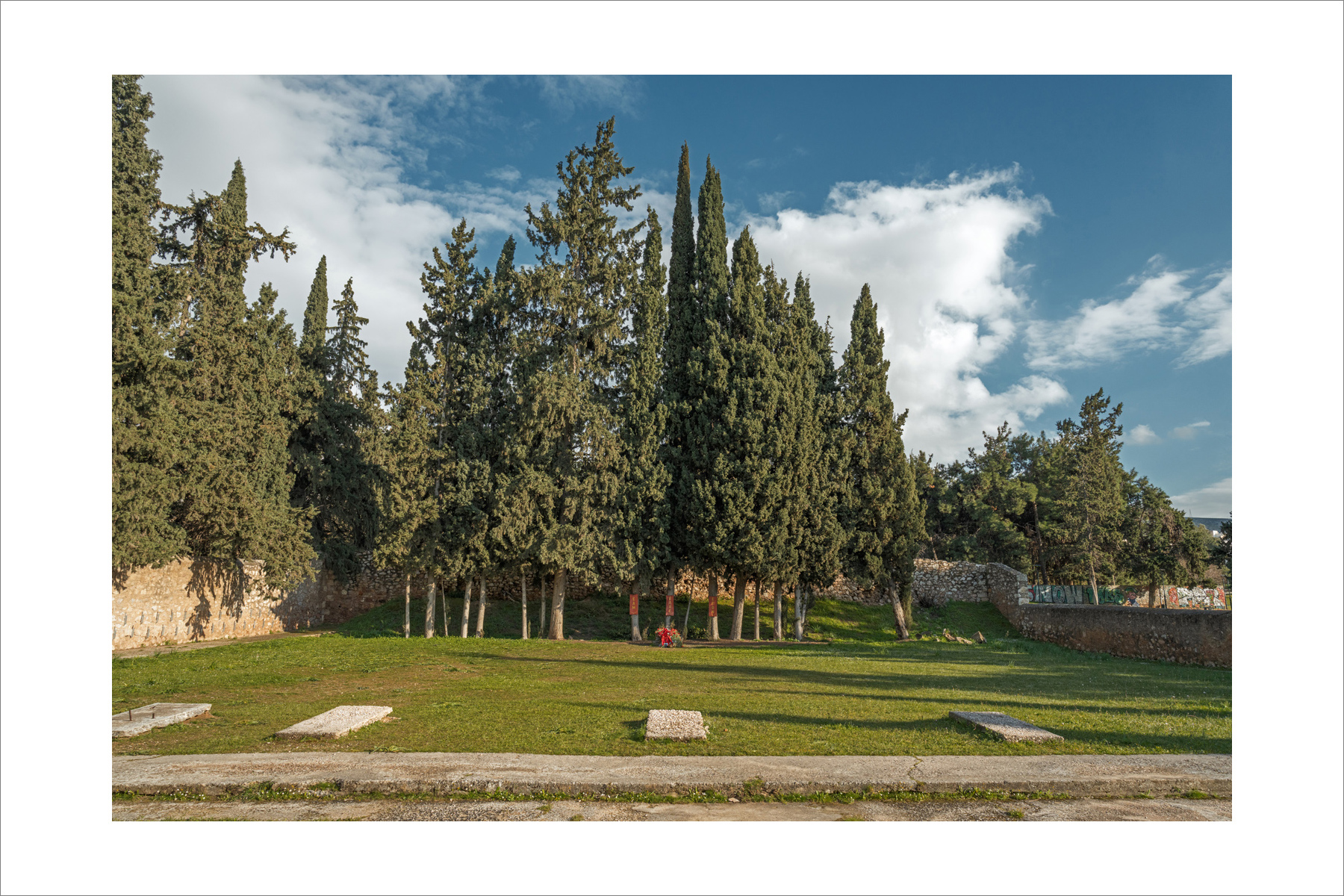 Kaisariani Shooting Range, 2026 | 27/33
 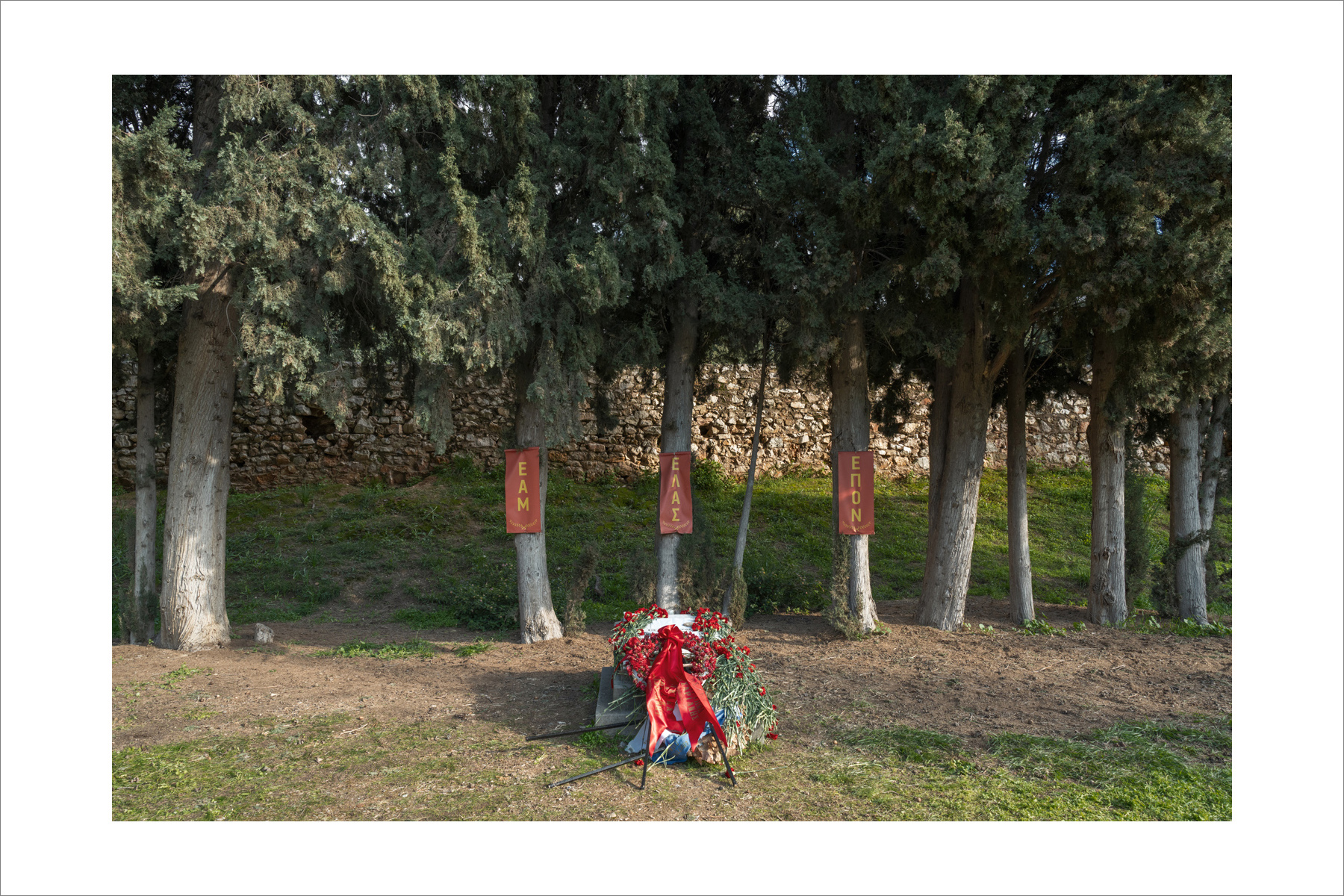 Kaisariani Shooting Range, 2026 | 28/33
 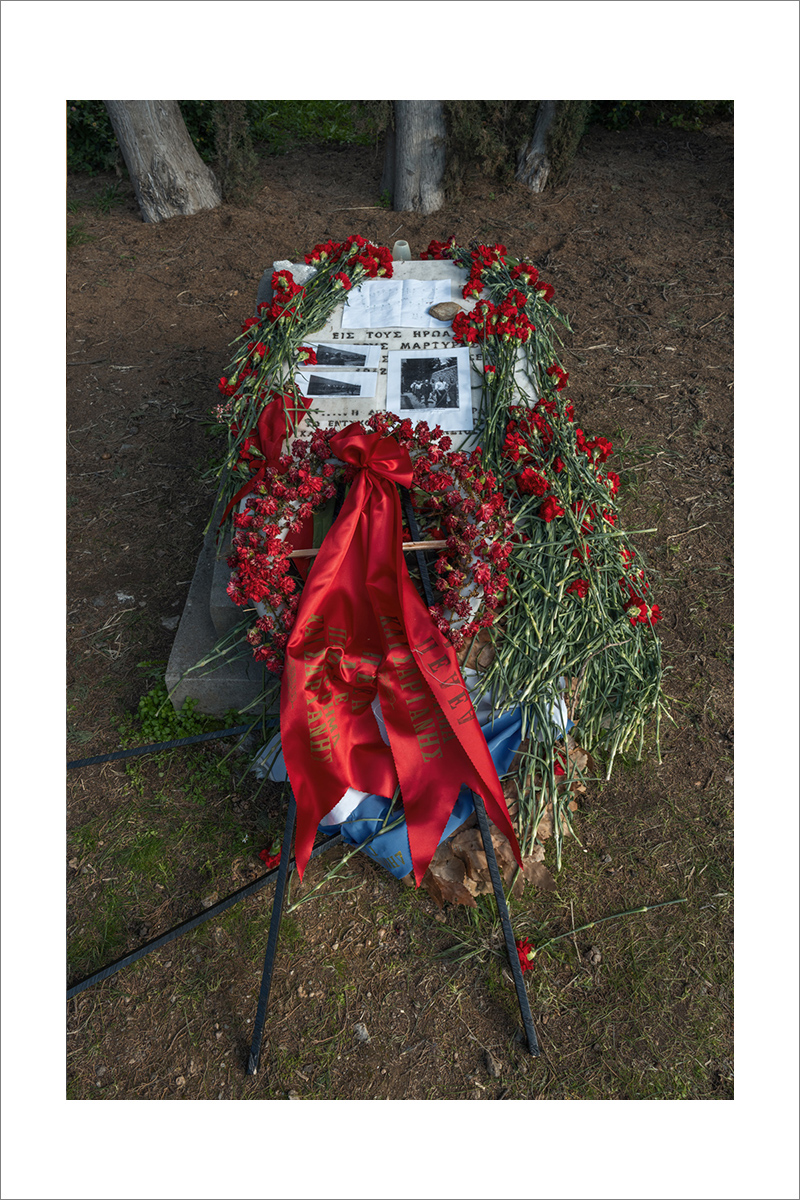 Kaisariani Shooting Range, 2026 | 29/33
 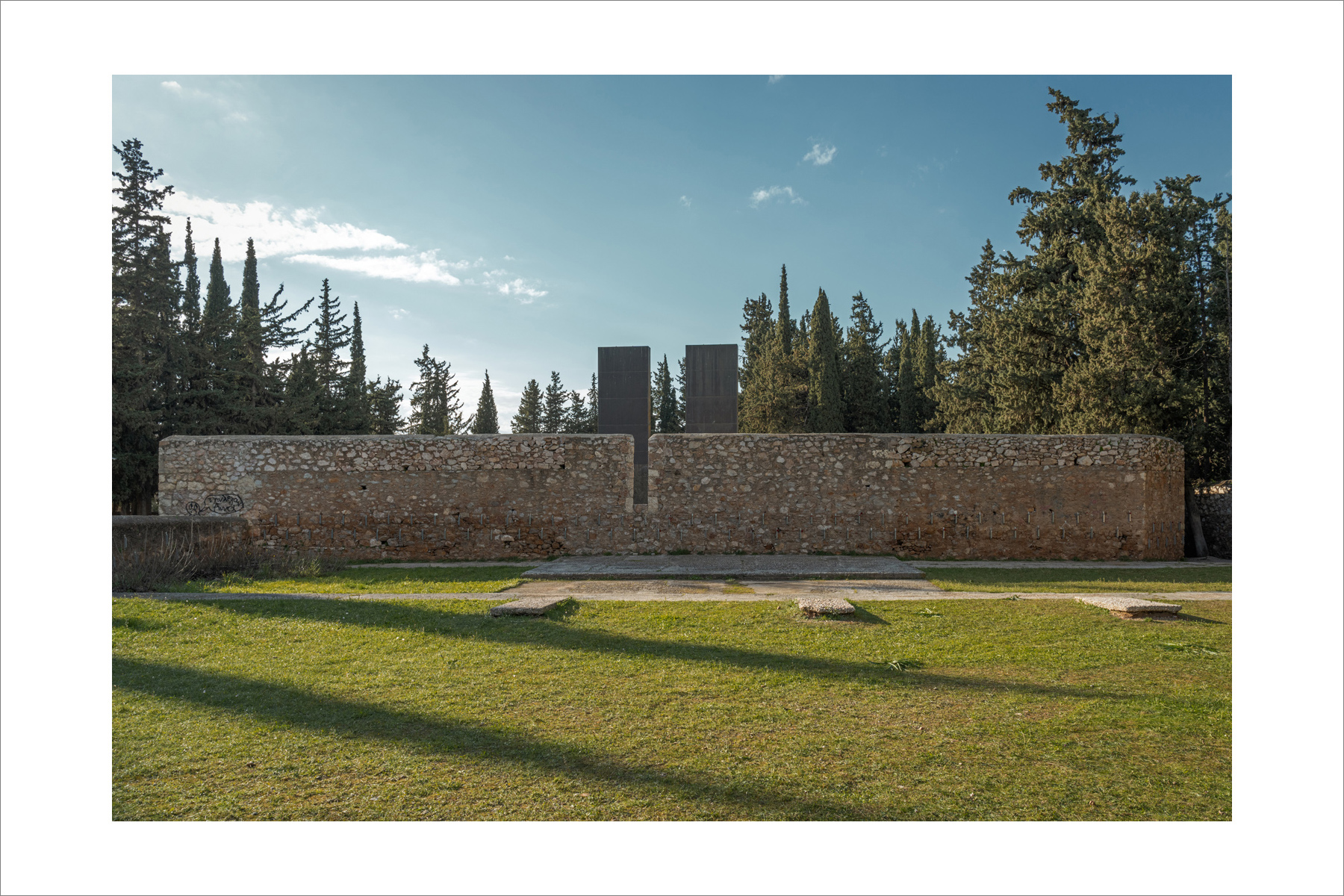 Kaisariani Shooting Range, 2026 | 30/33
 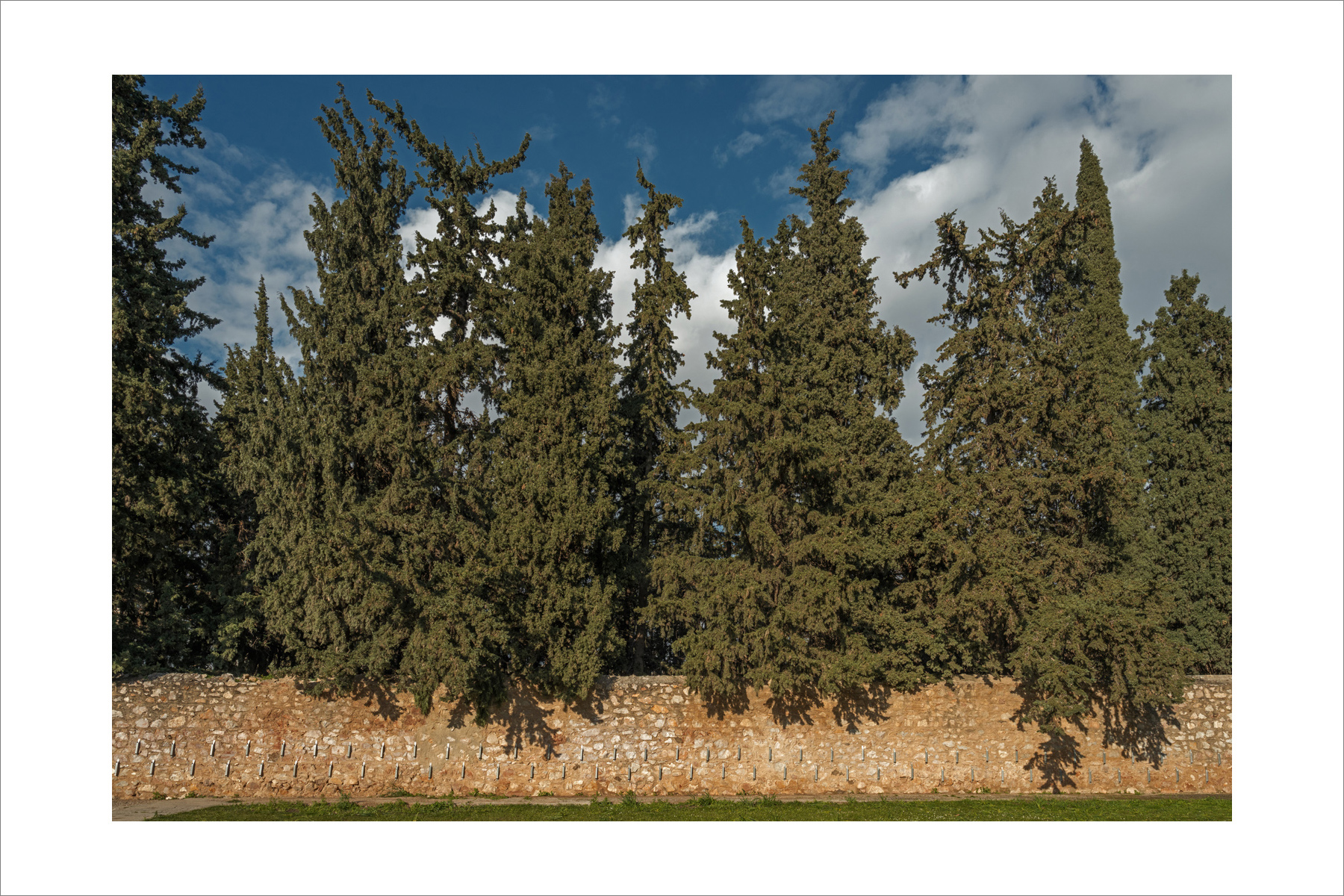 Kaisariani Shooting Range, 2026 | 31/33
 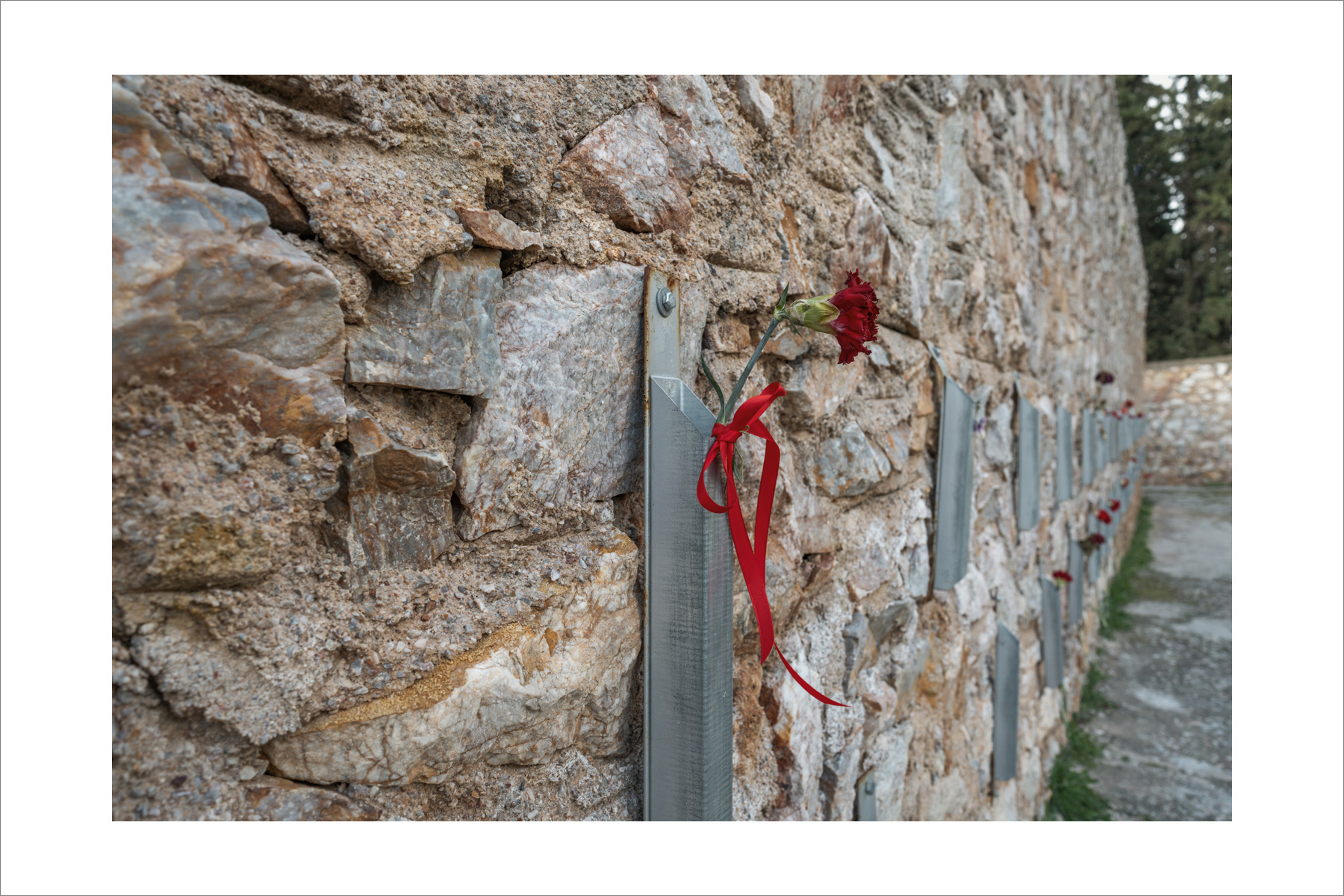 Kaisariani Shooting Range, 2026 | 32/33
 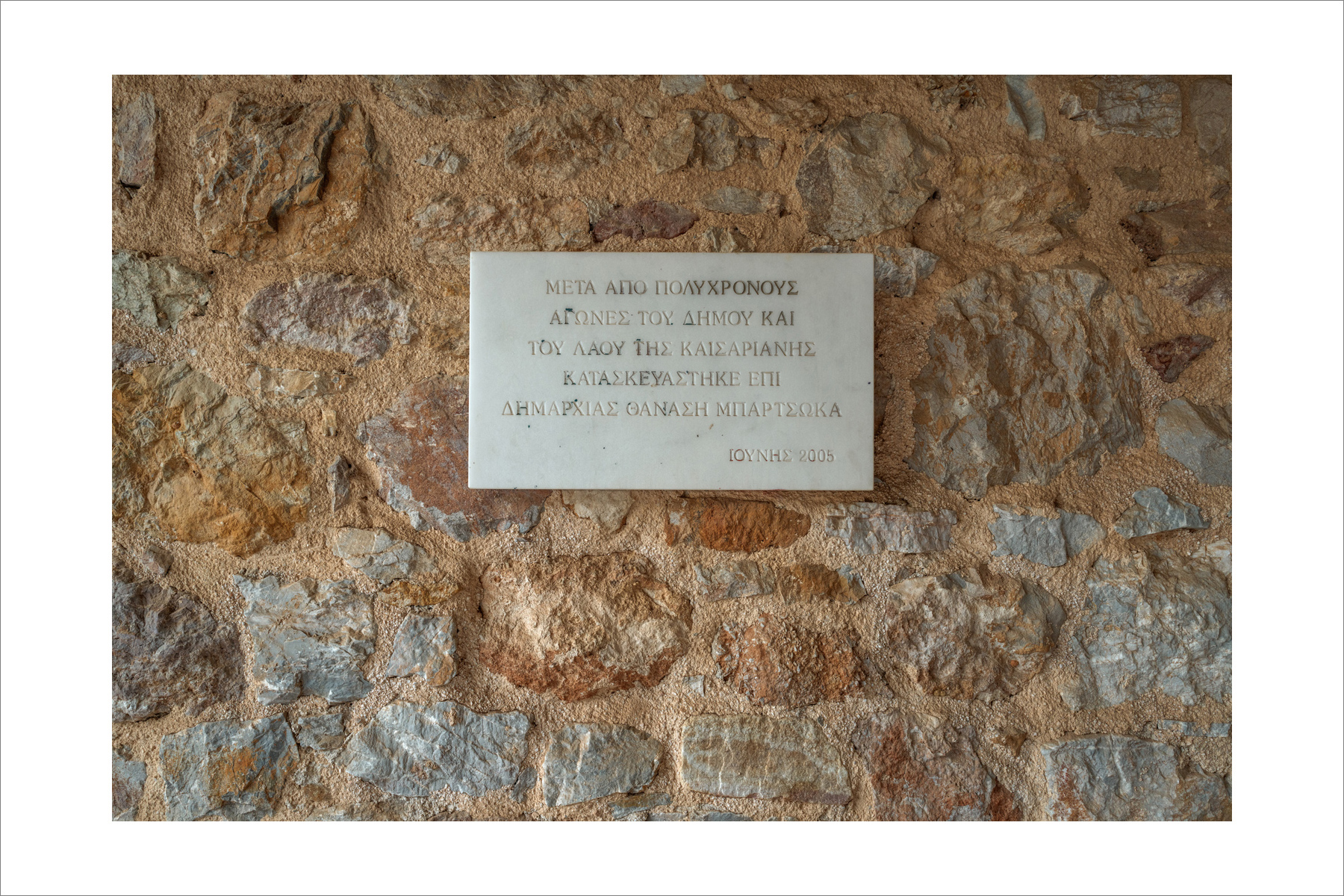 Kaisariani Shooting Range, 2026 | 33/33