
Tinos: The Mysterious Granite Boulders of Volax and Their Otherworldly Beauty
A photographic study of Tinos unique village
Tinos has been described by the philosopher Cornelius Castoriadis as a
“handmade island” — a place where nature and human presence coexist in
a manner that feels almost sculptural.
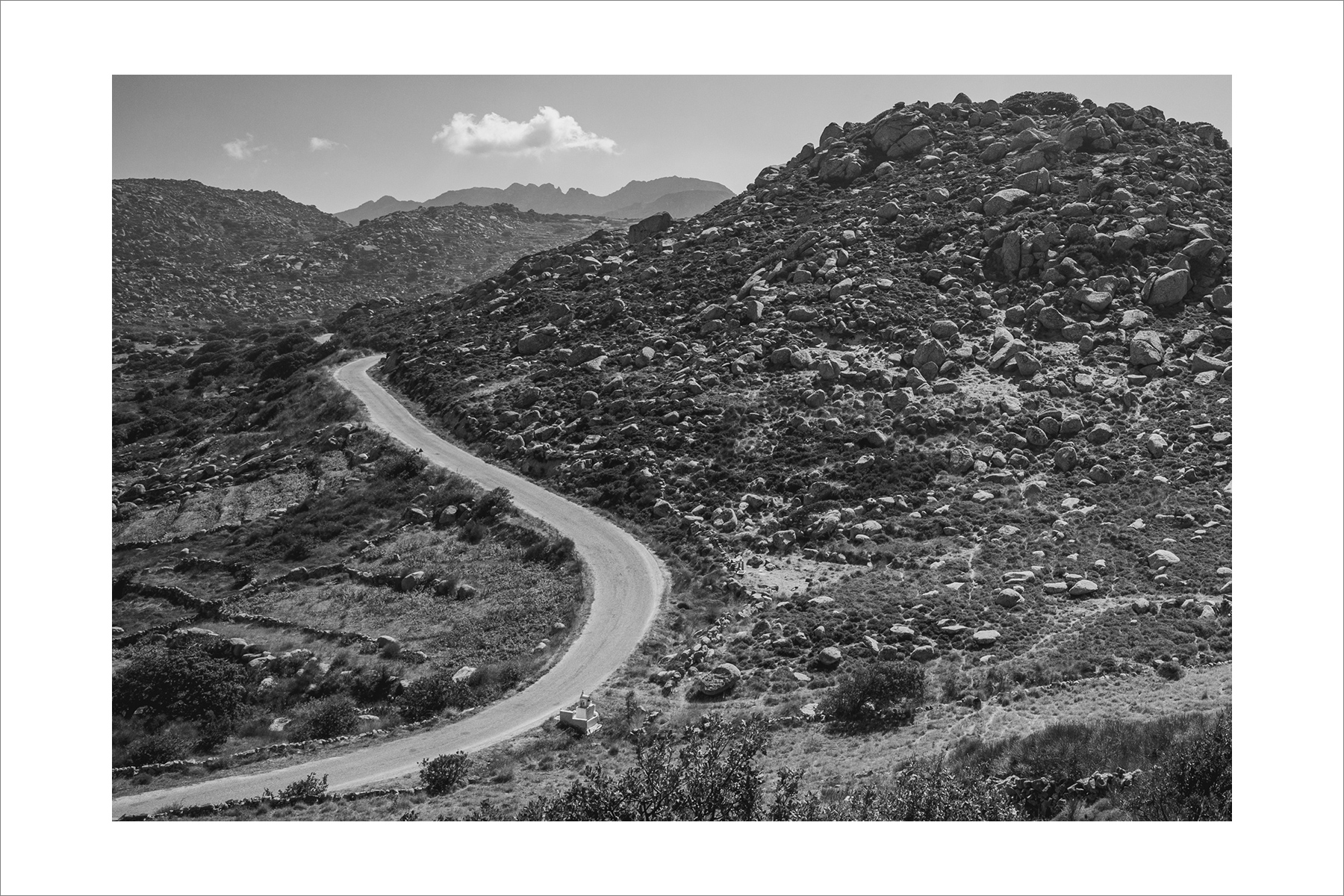
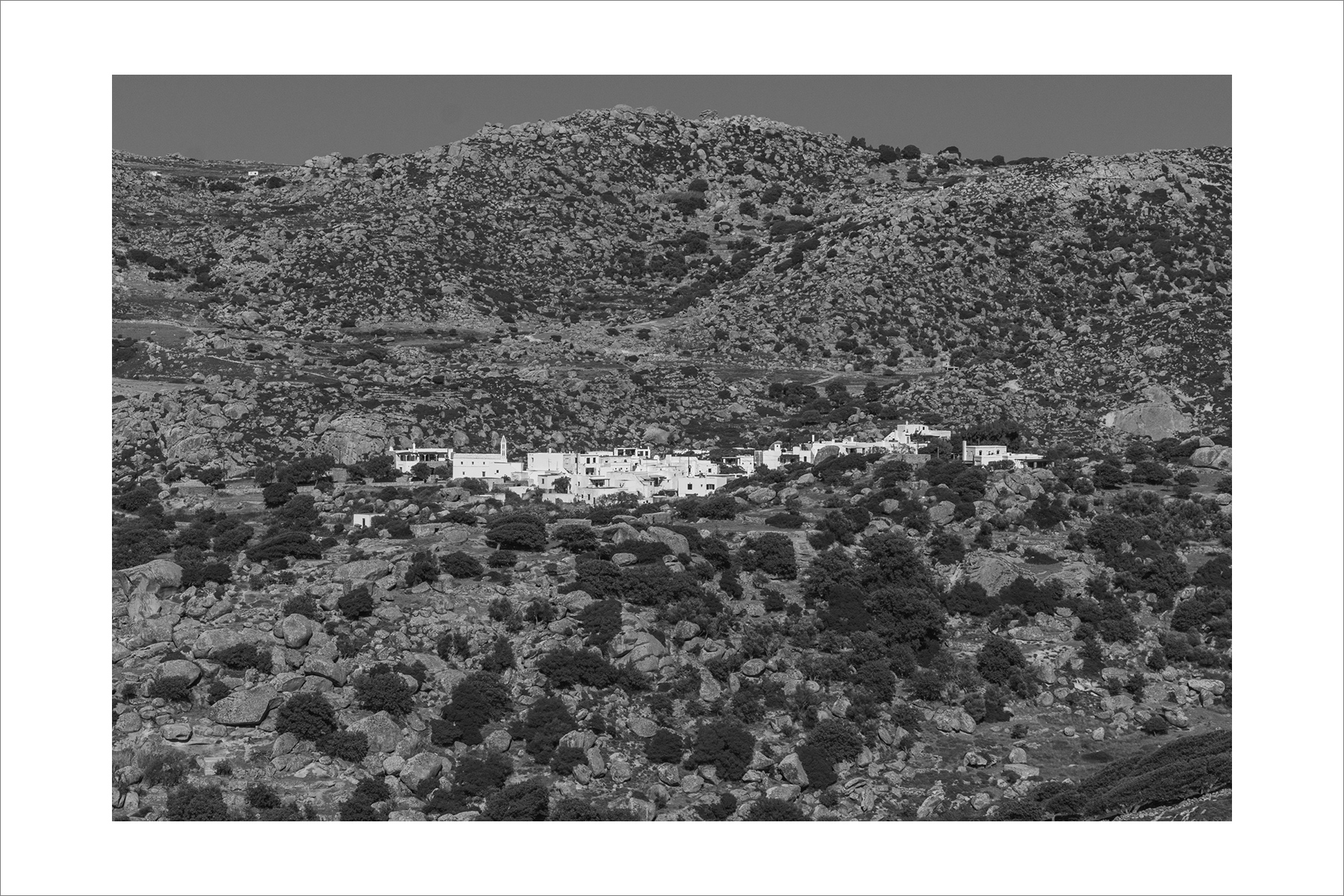
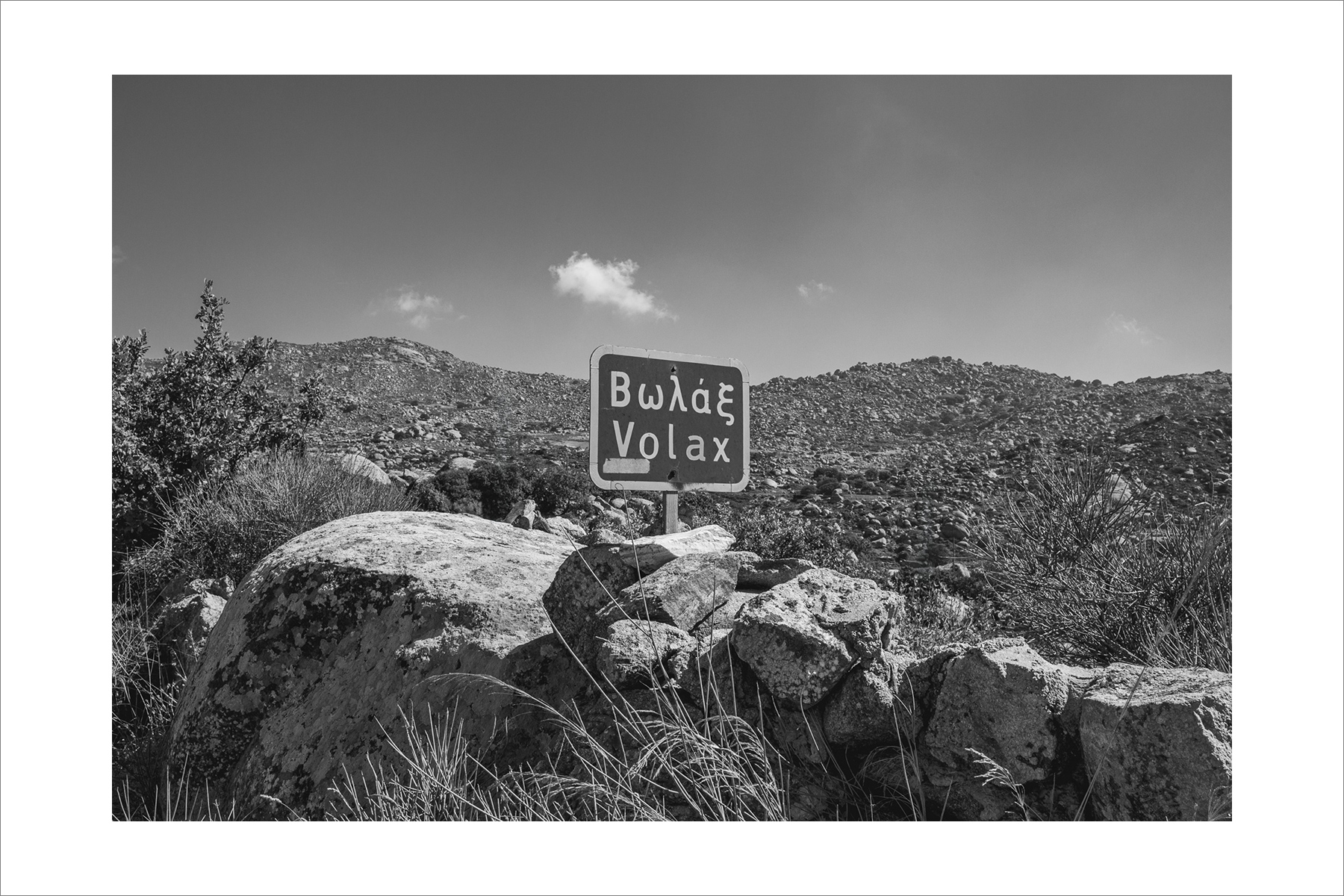
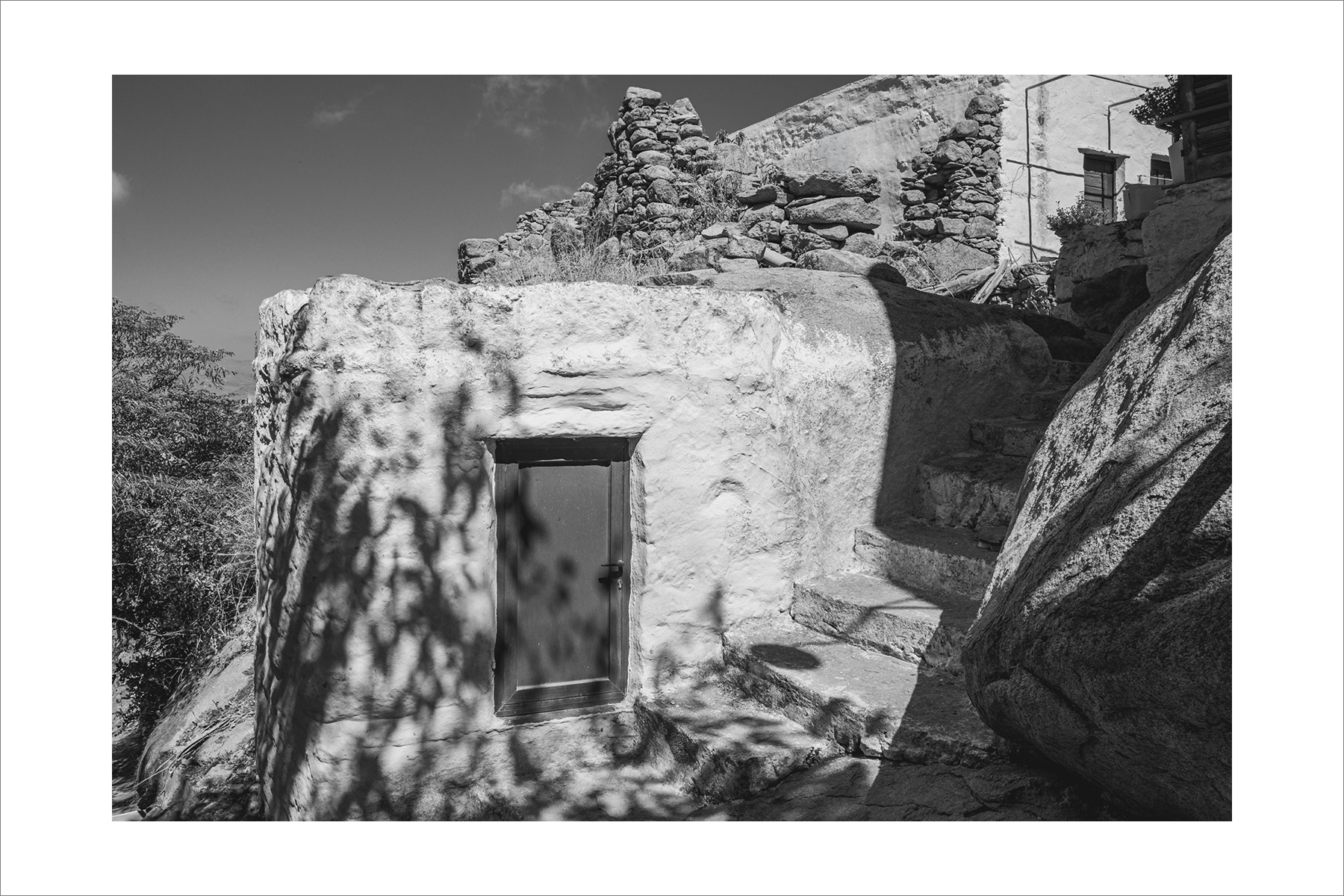
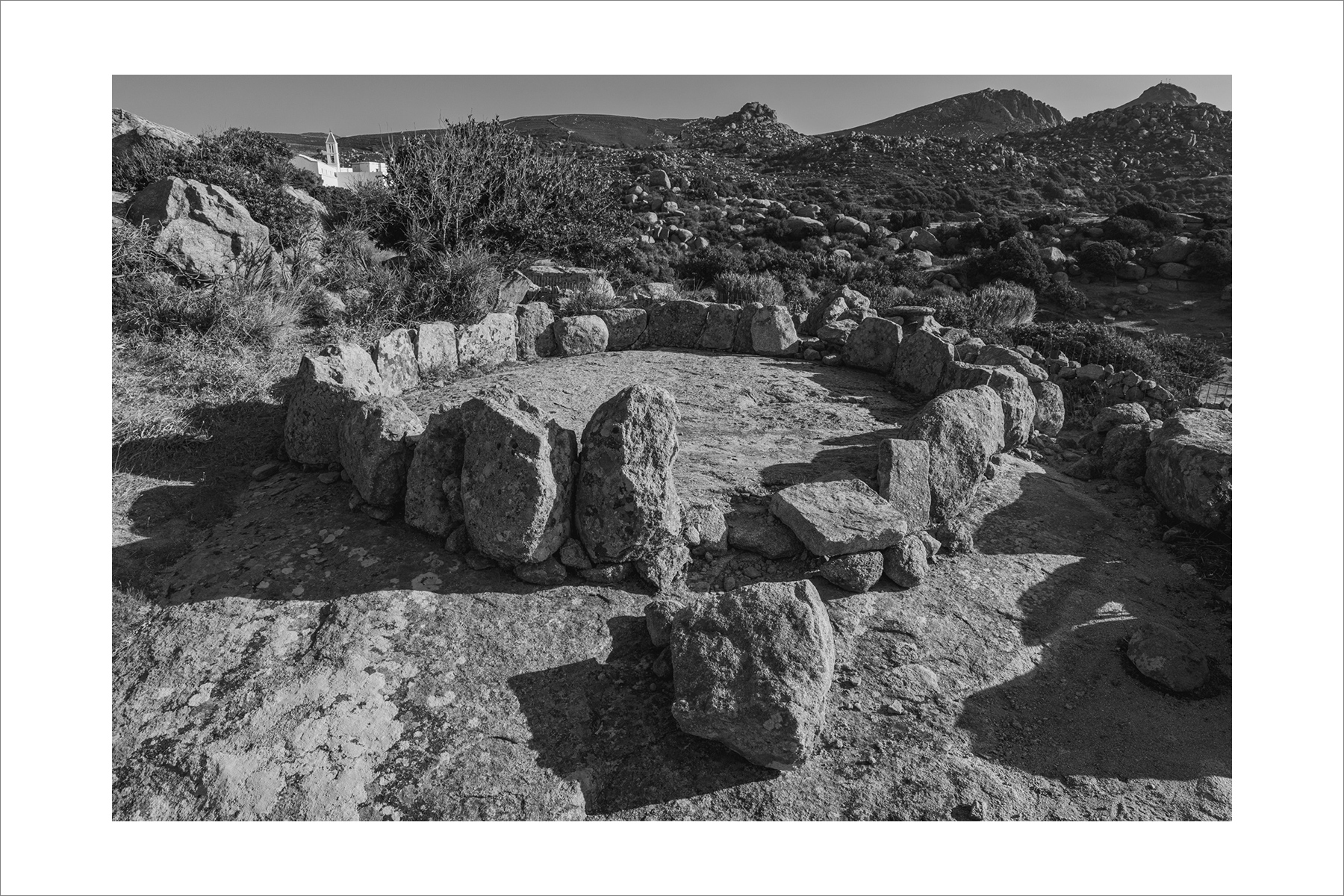
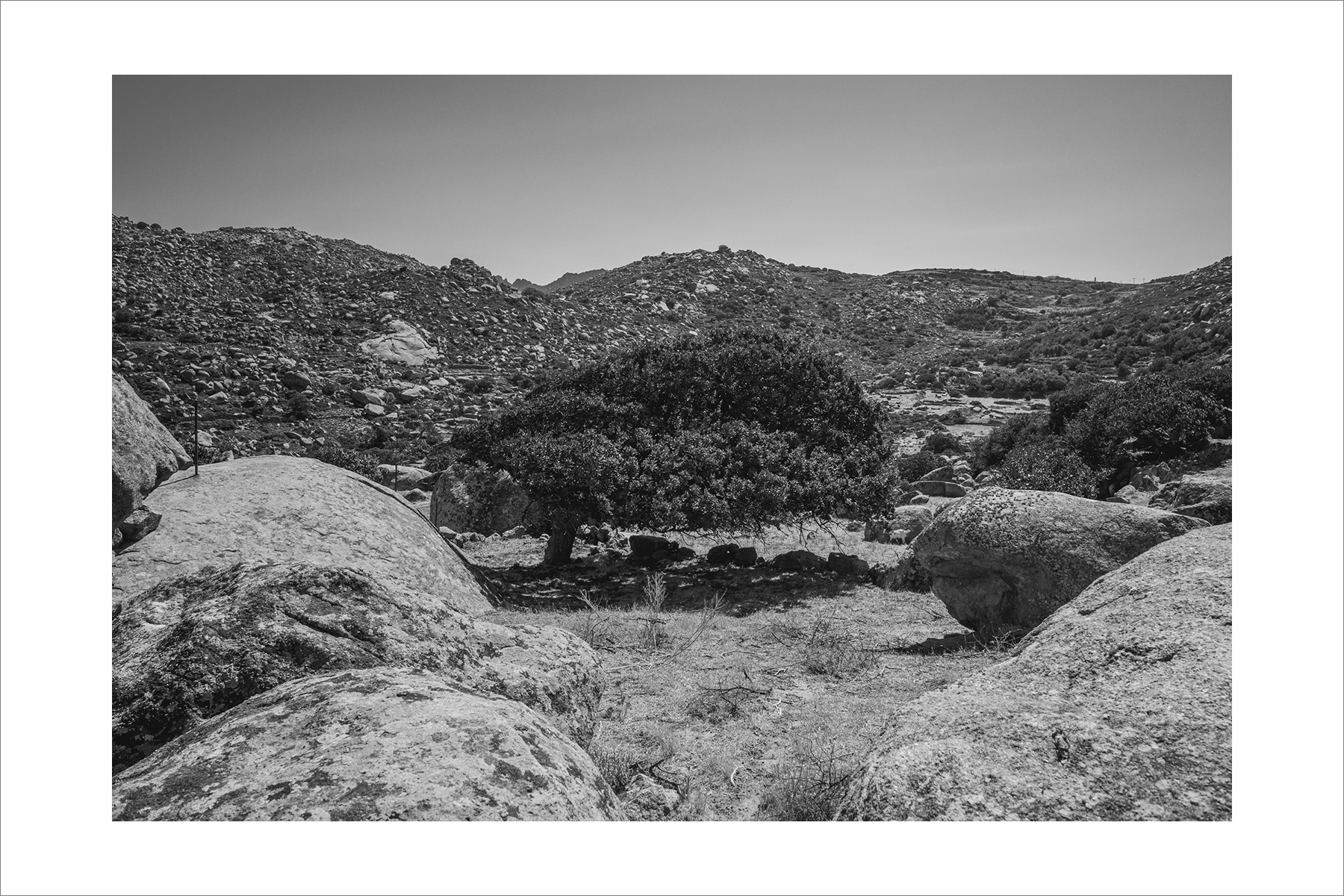
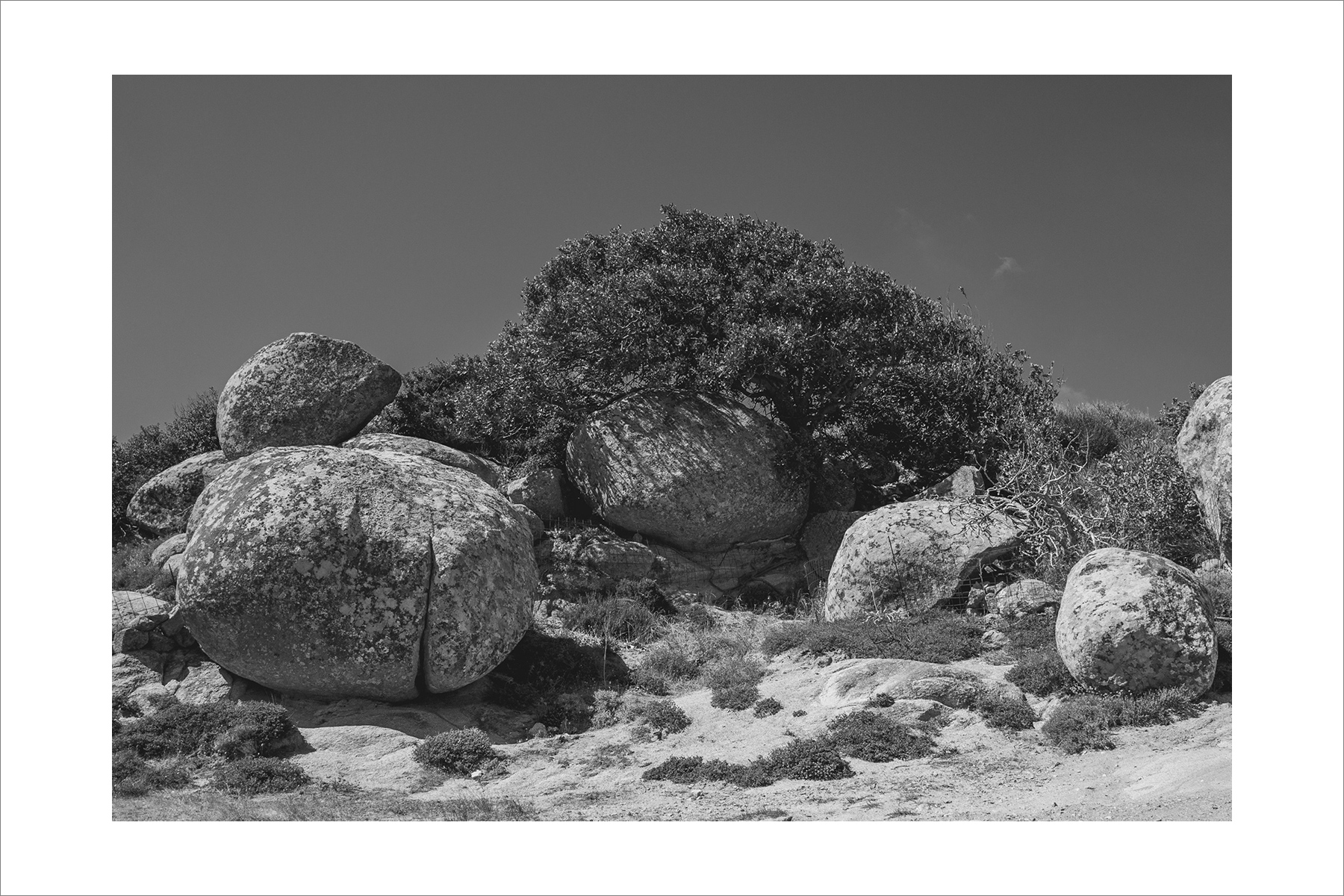
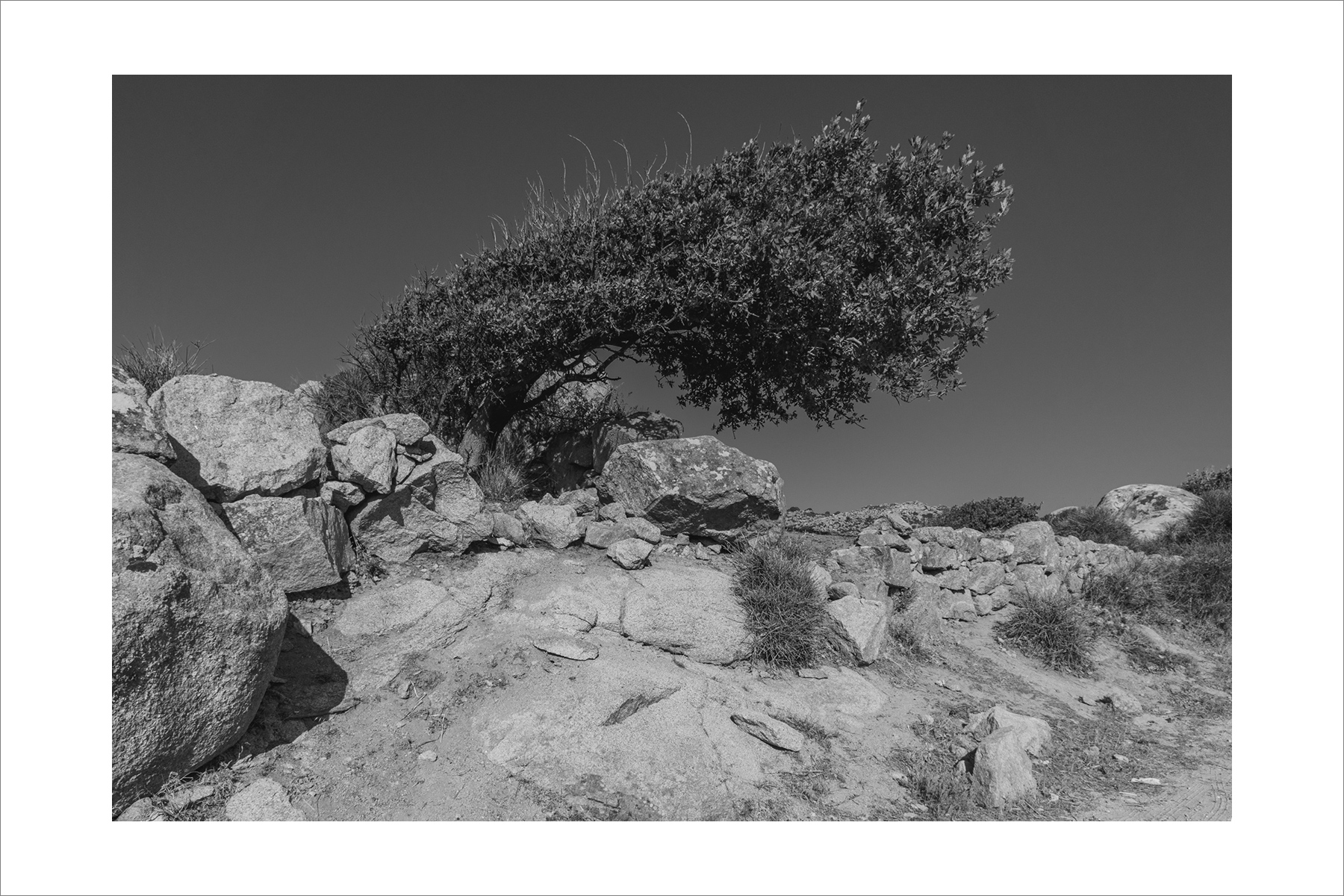
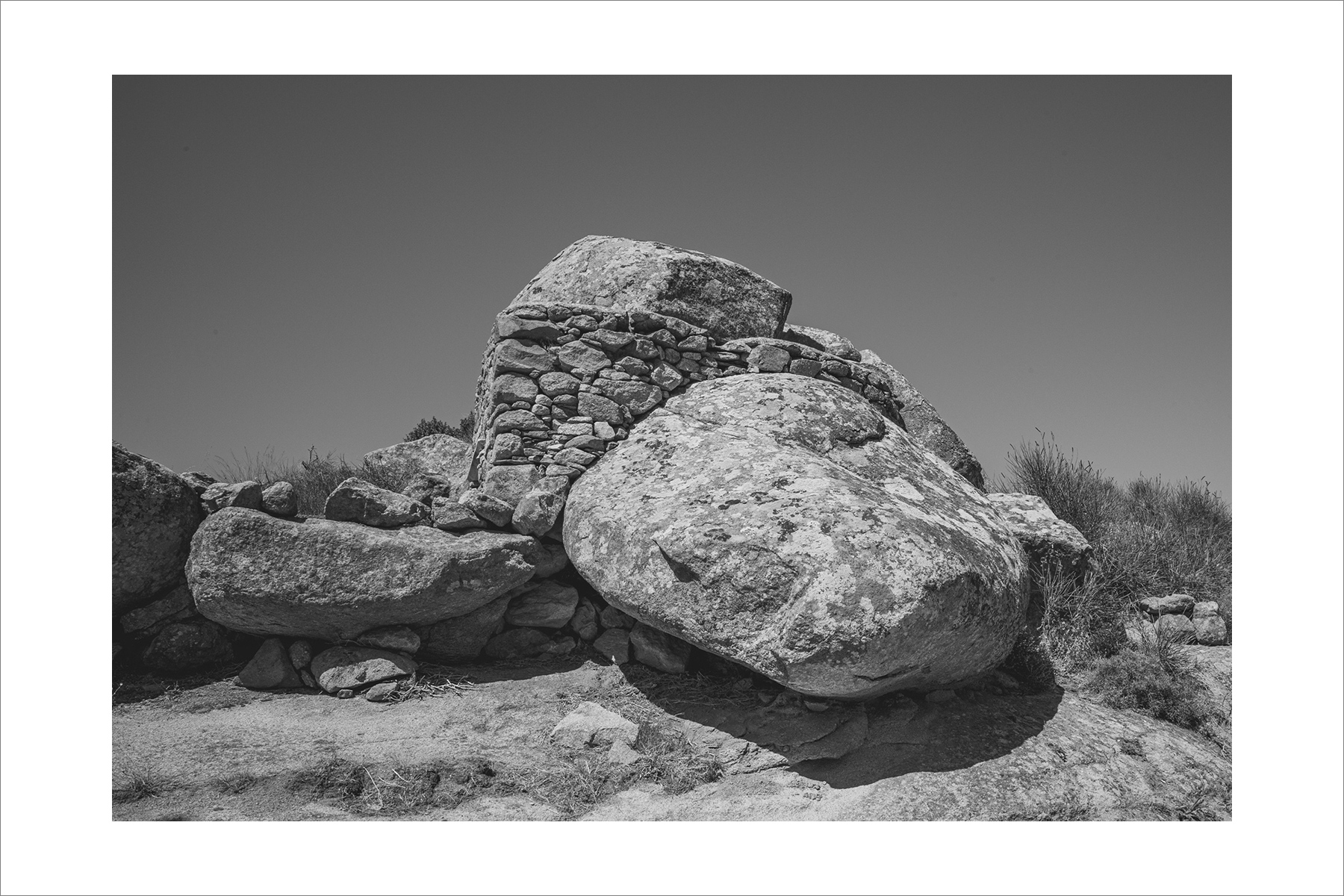
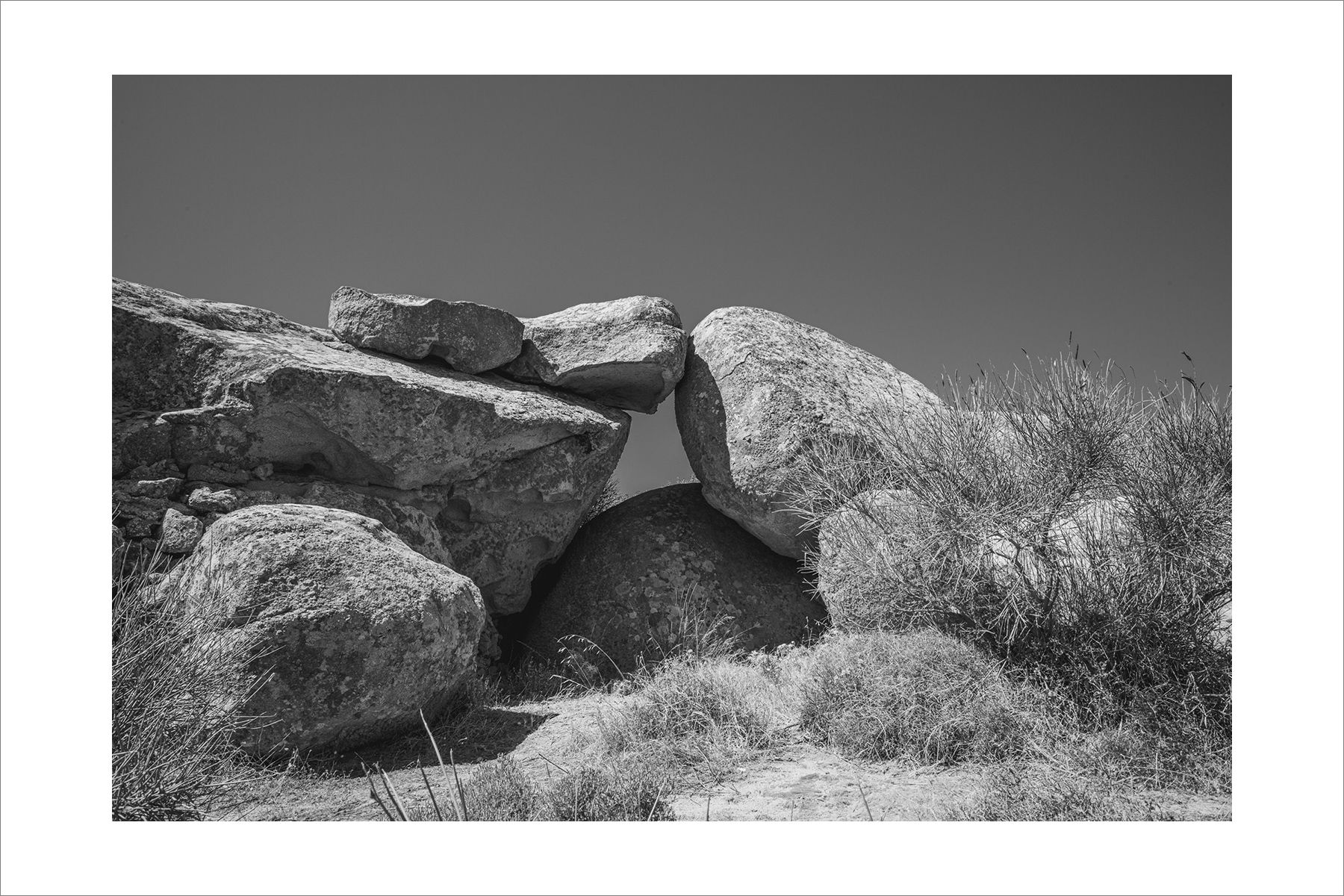
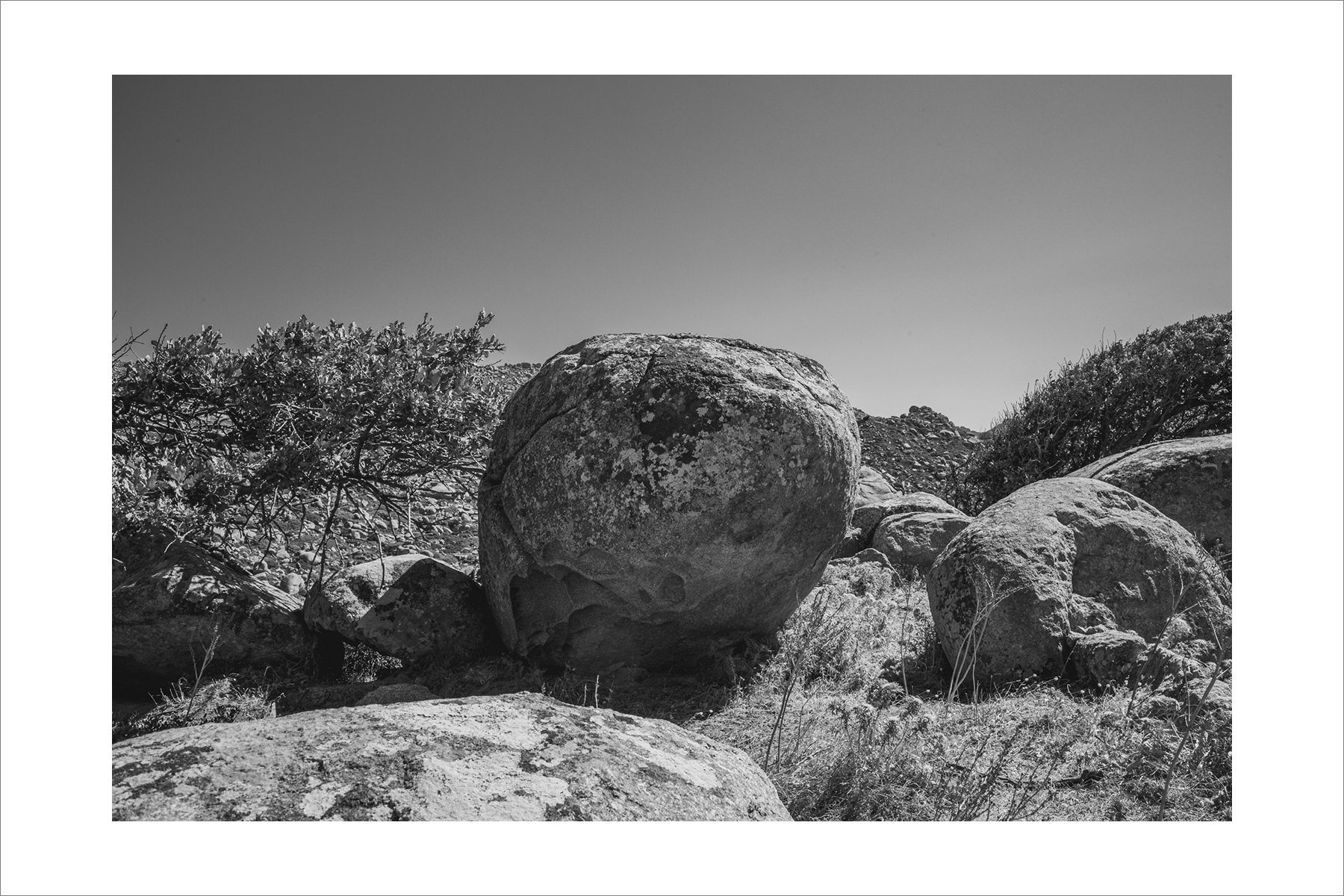
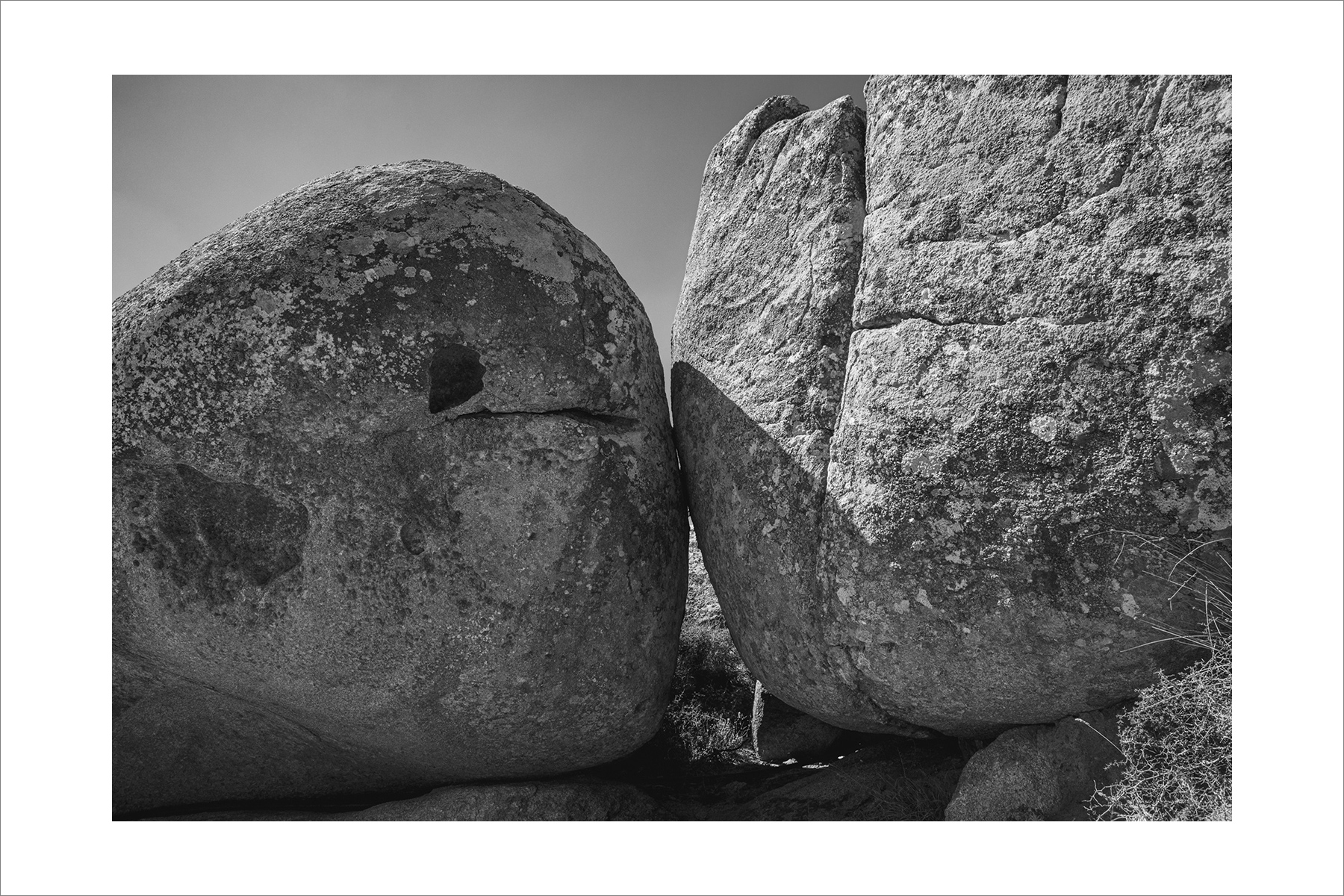
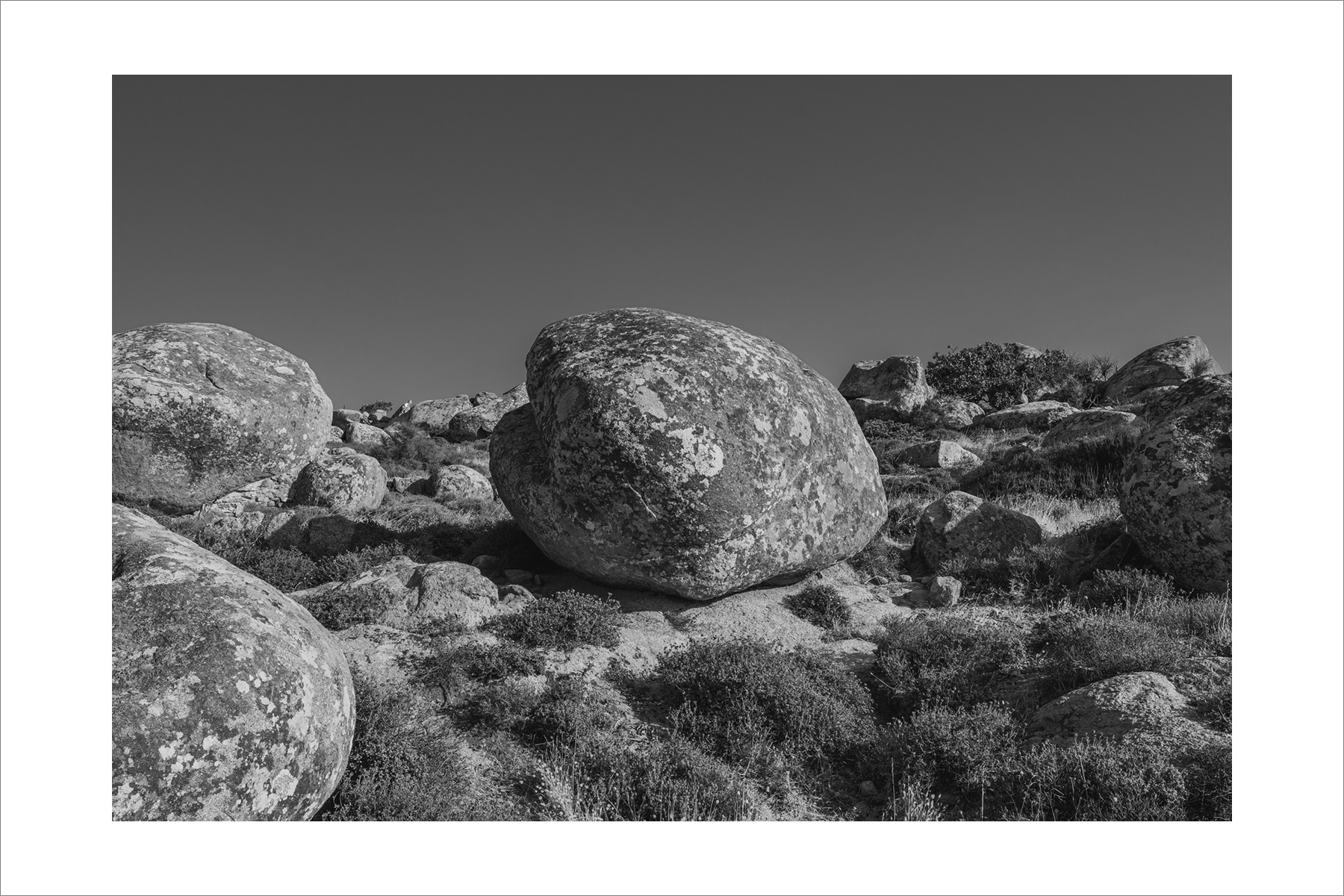
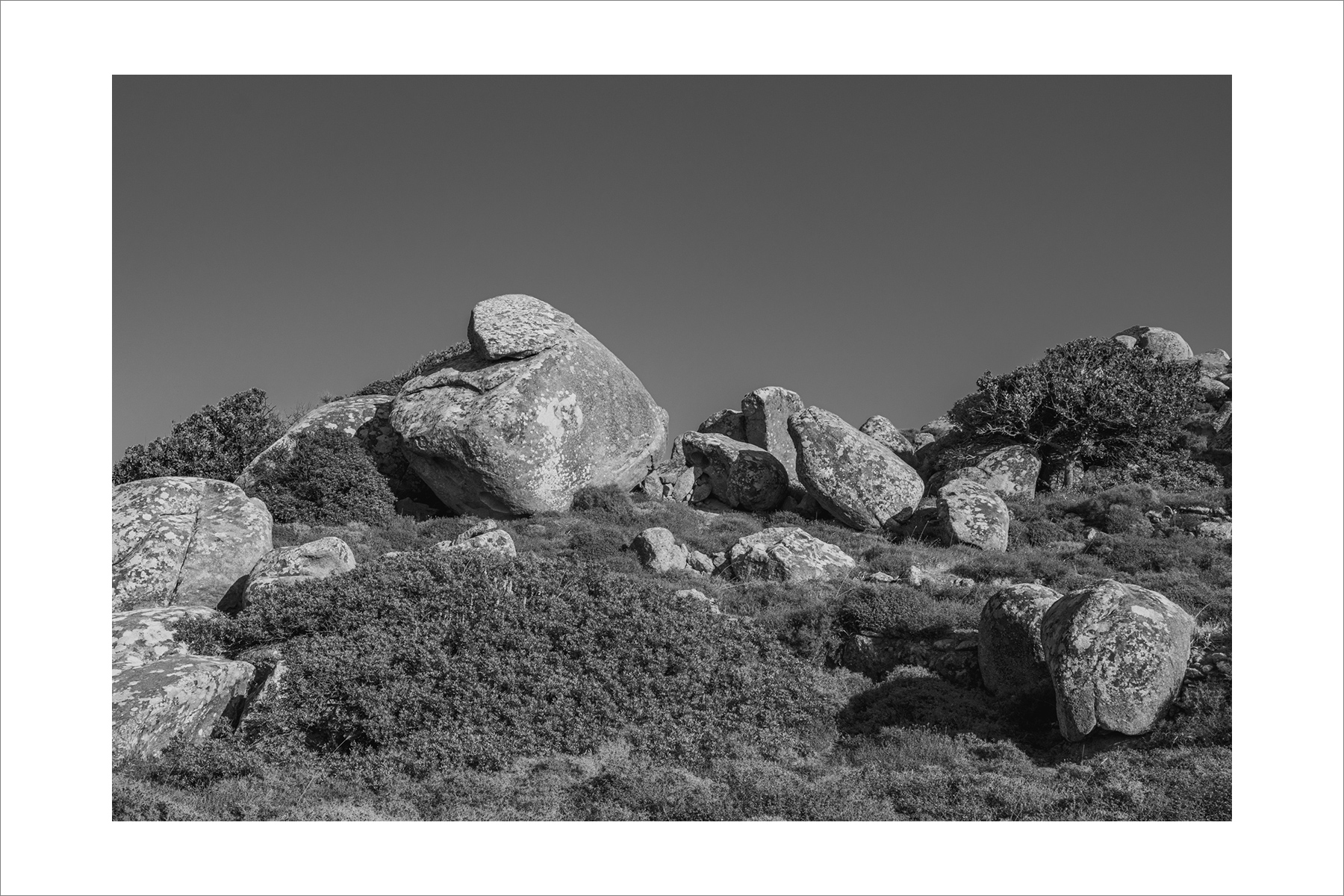
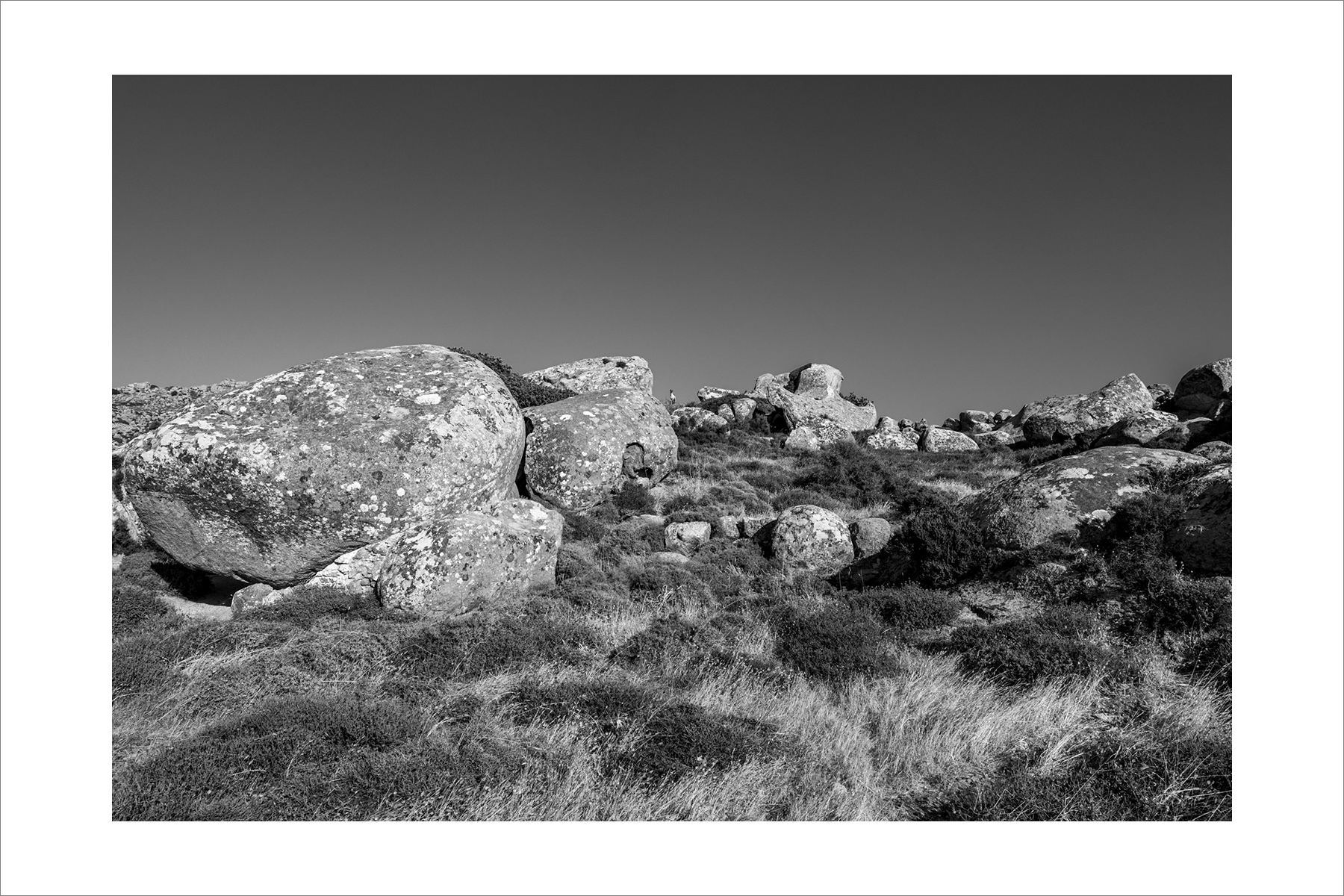
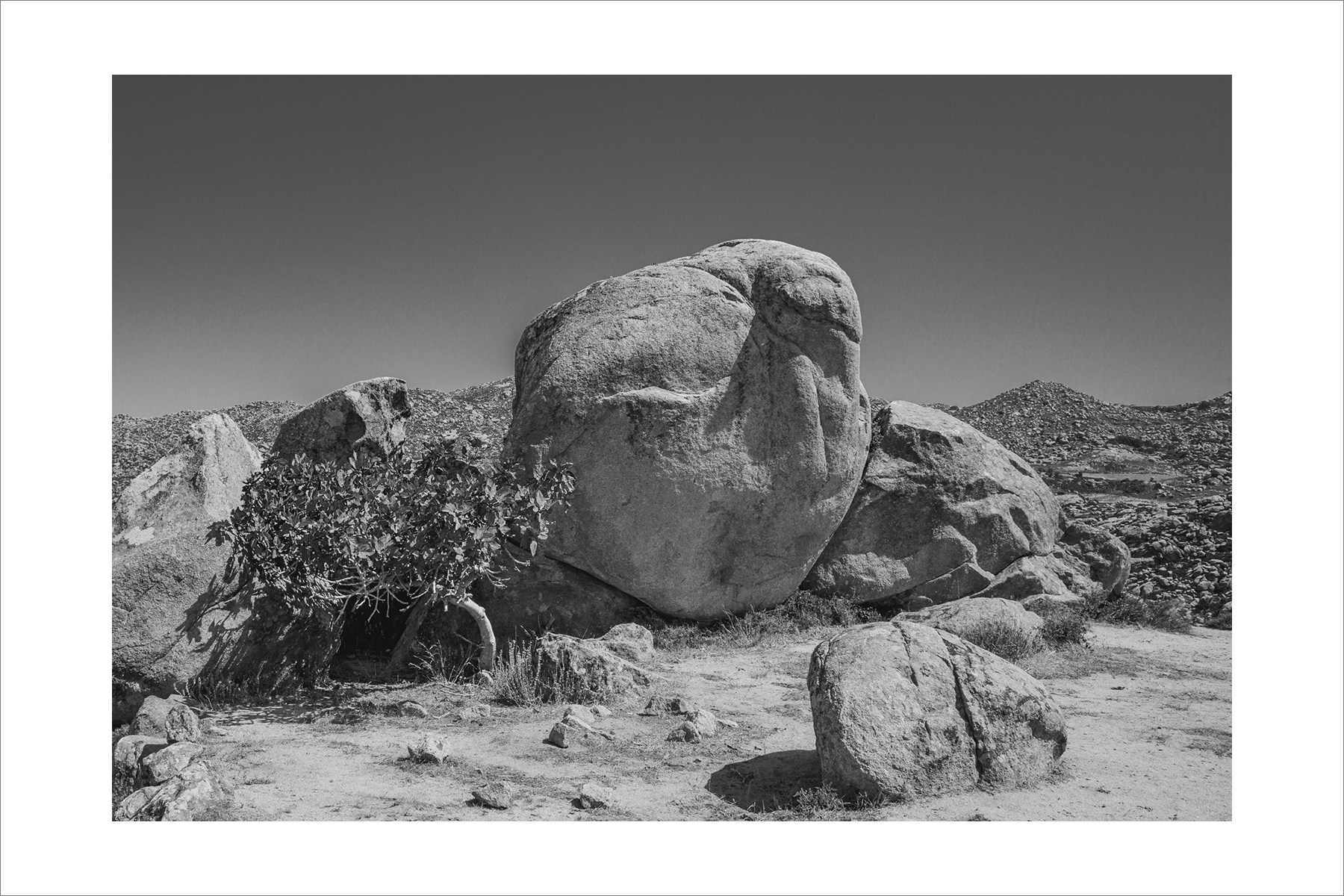
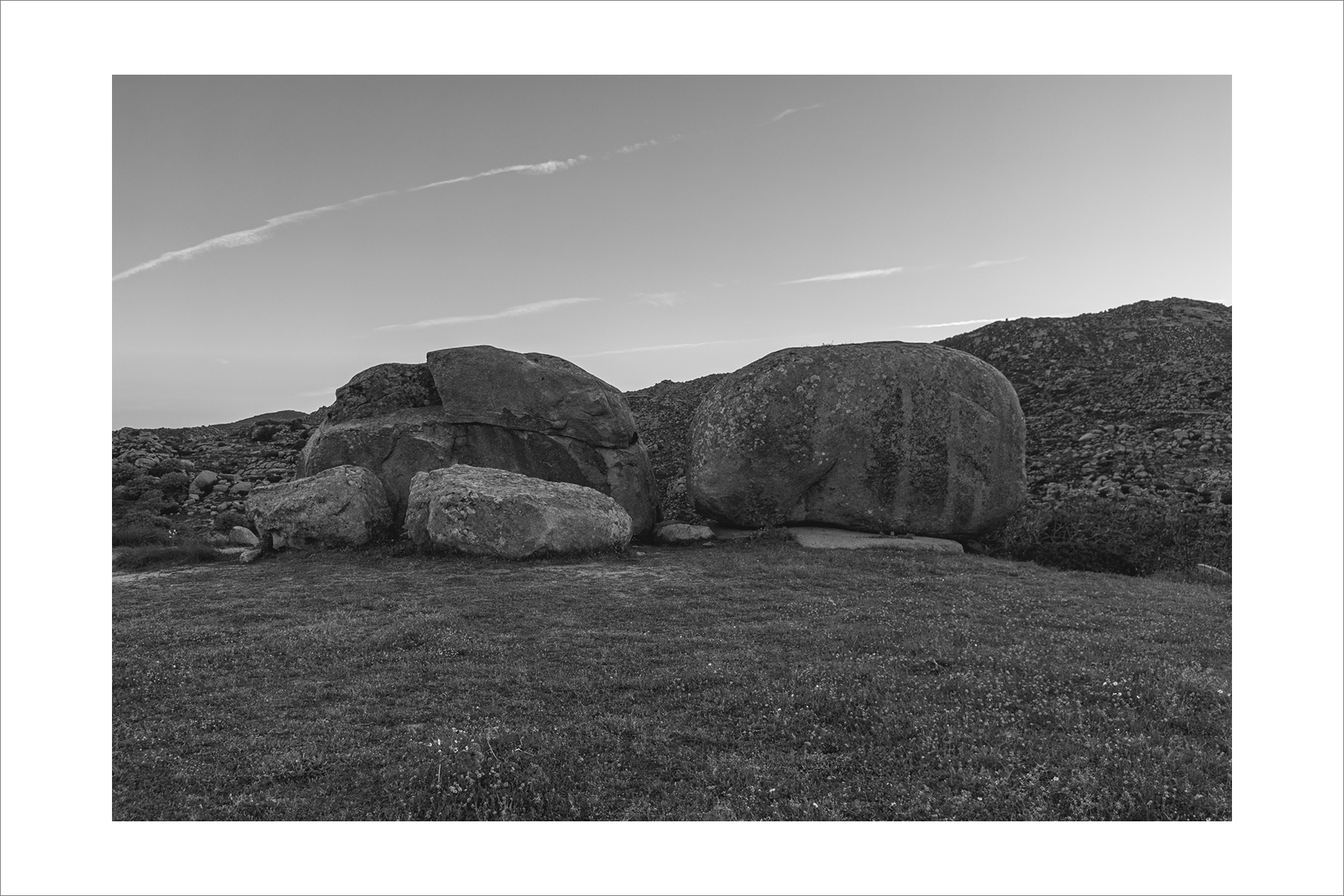
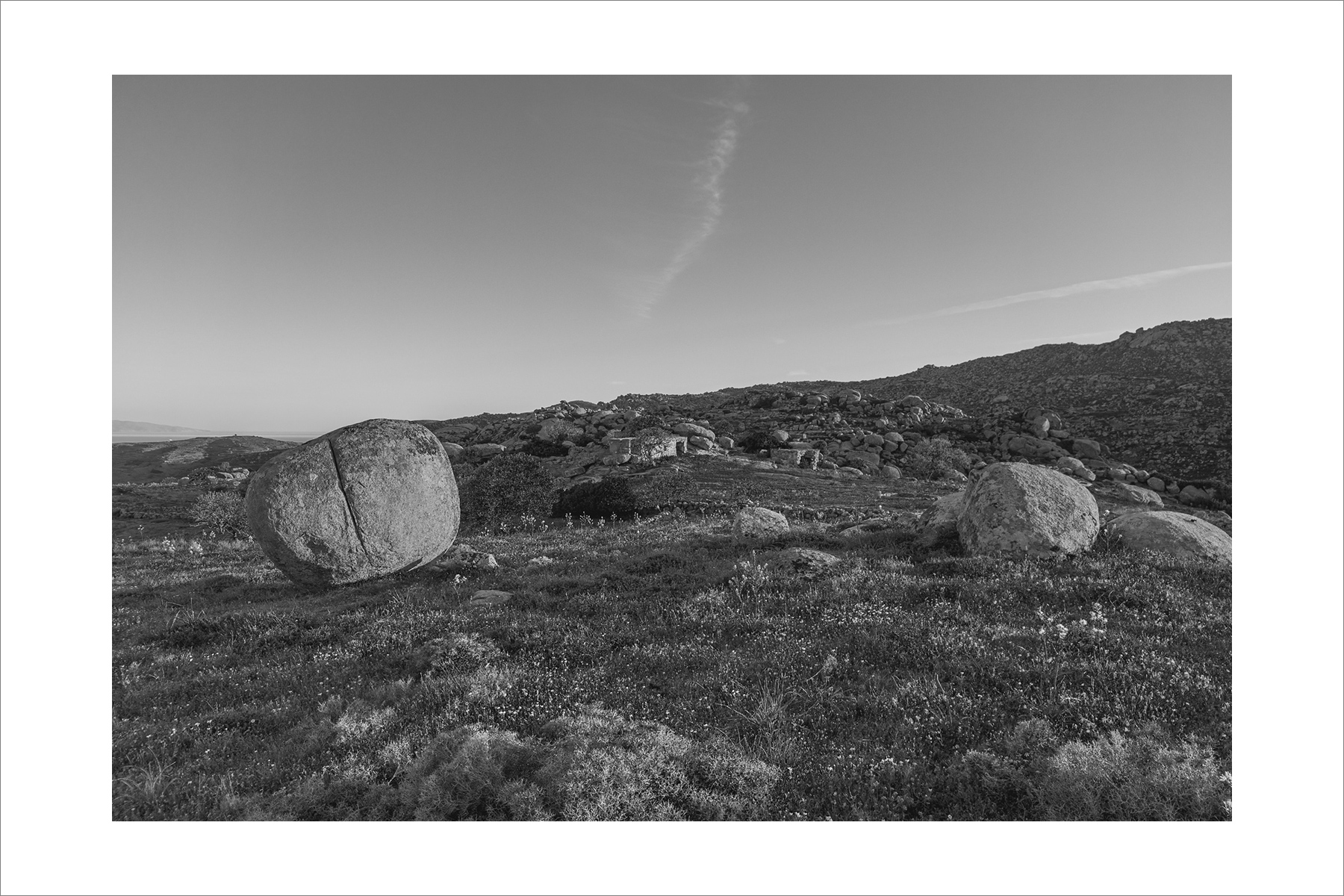
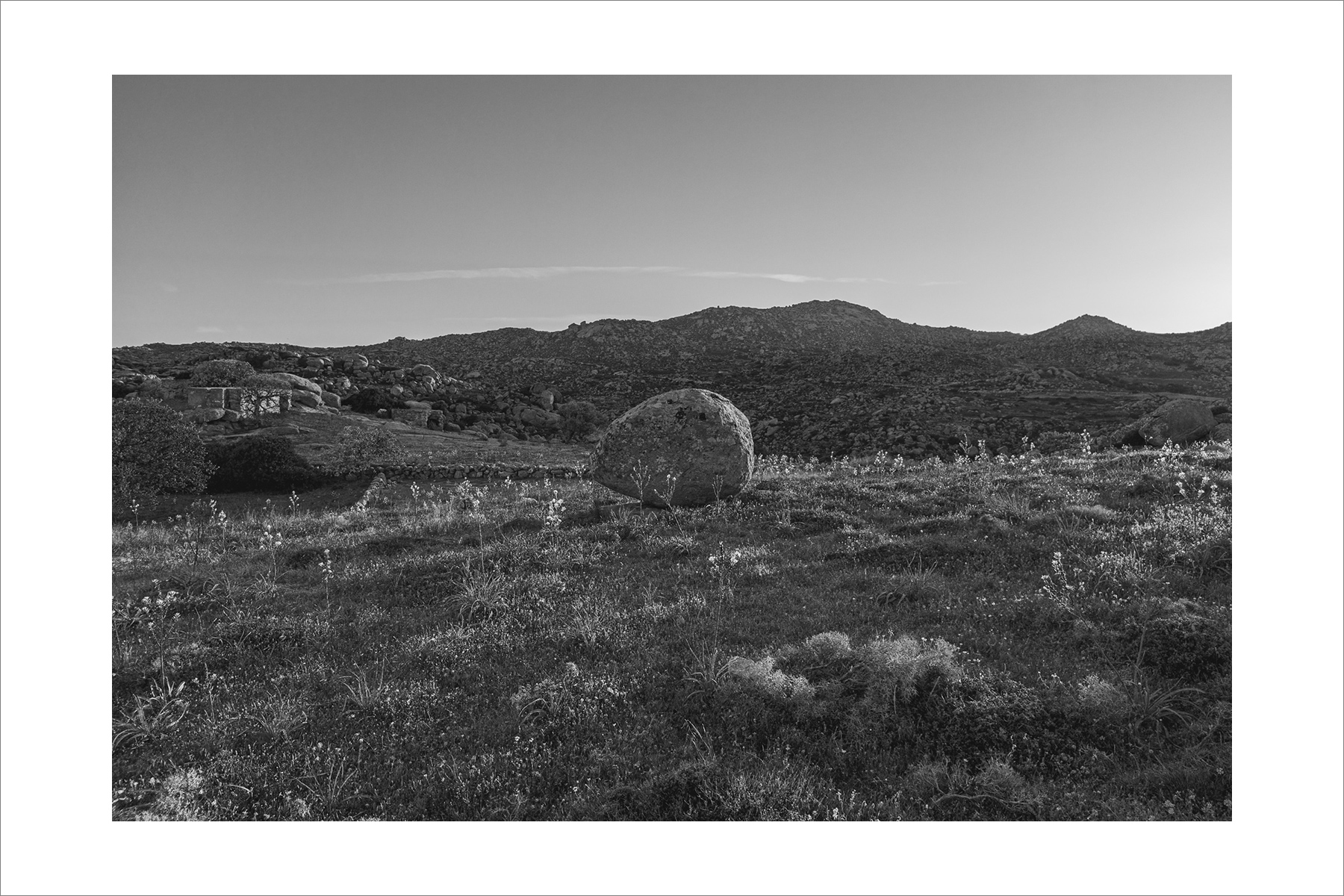
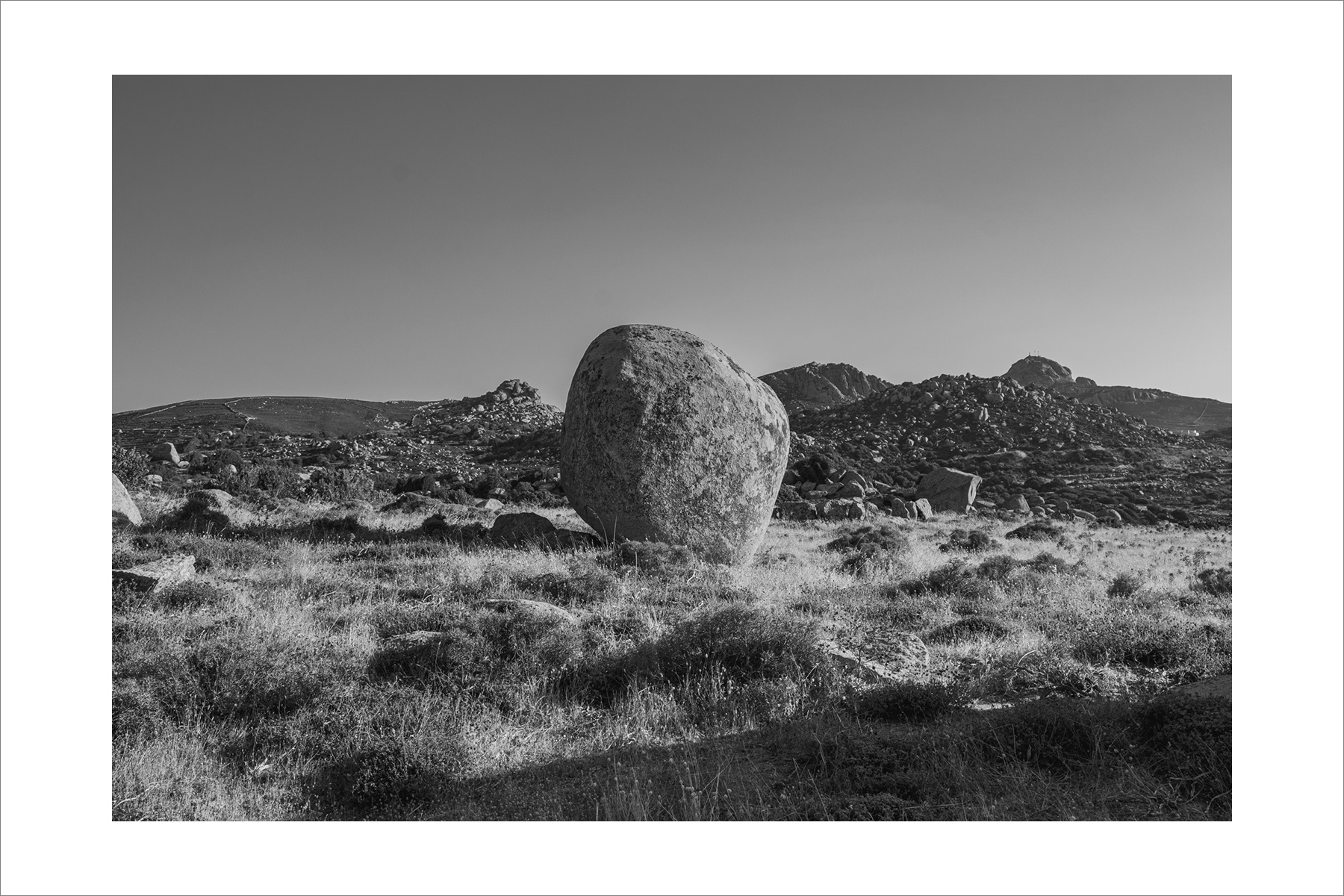
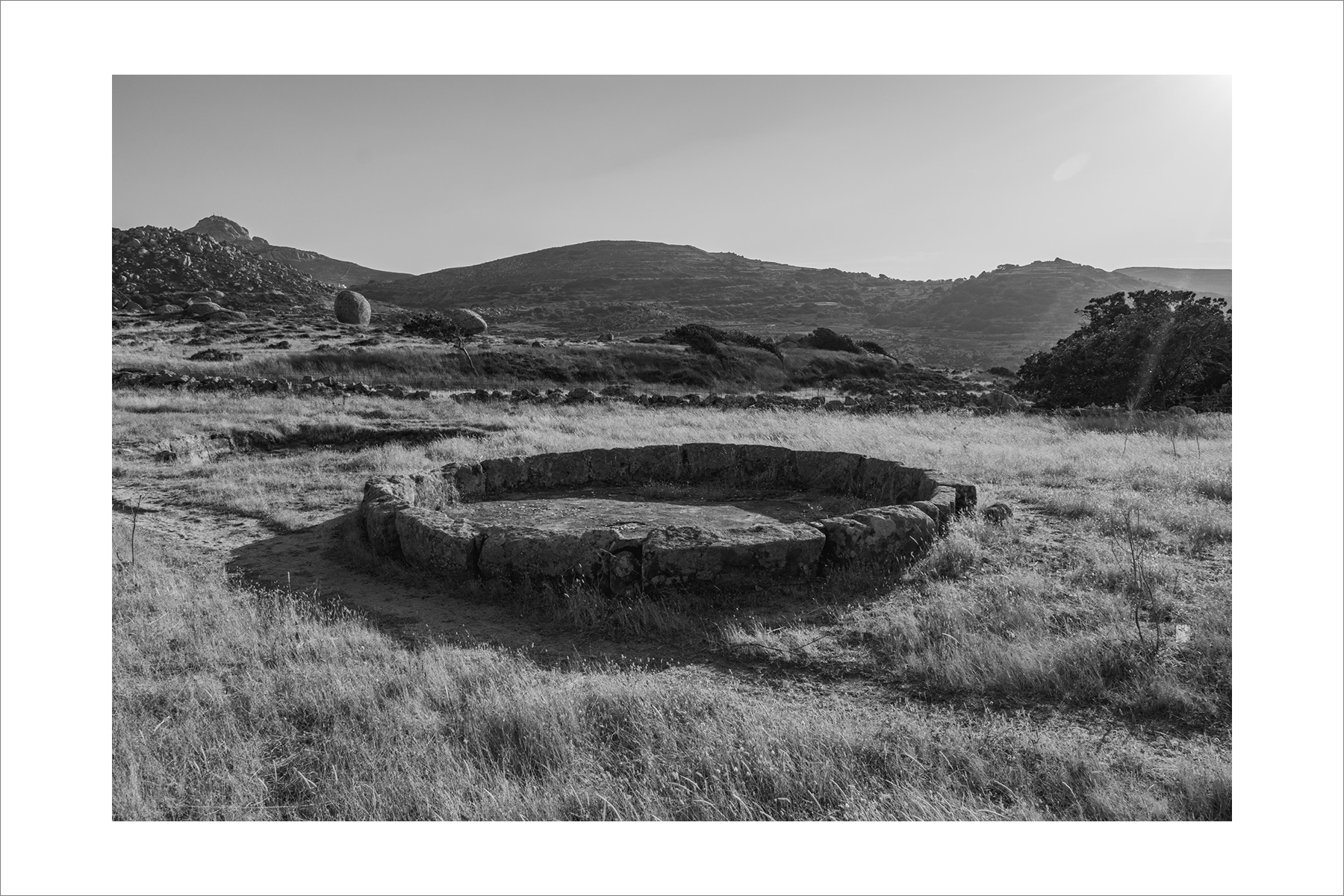
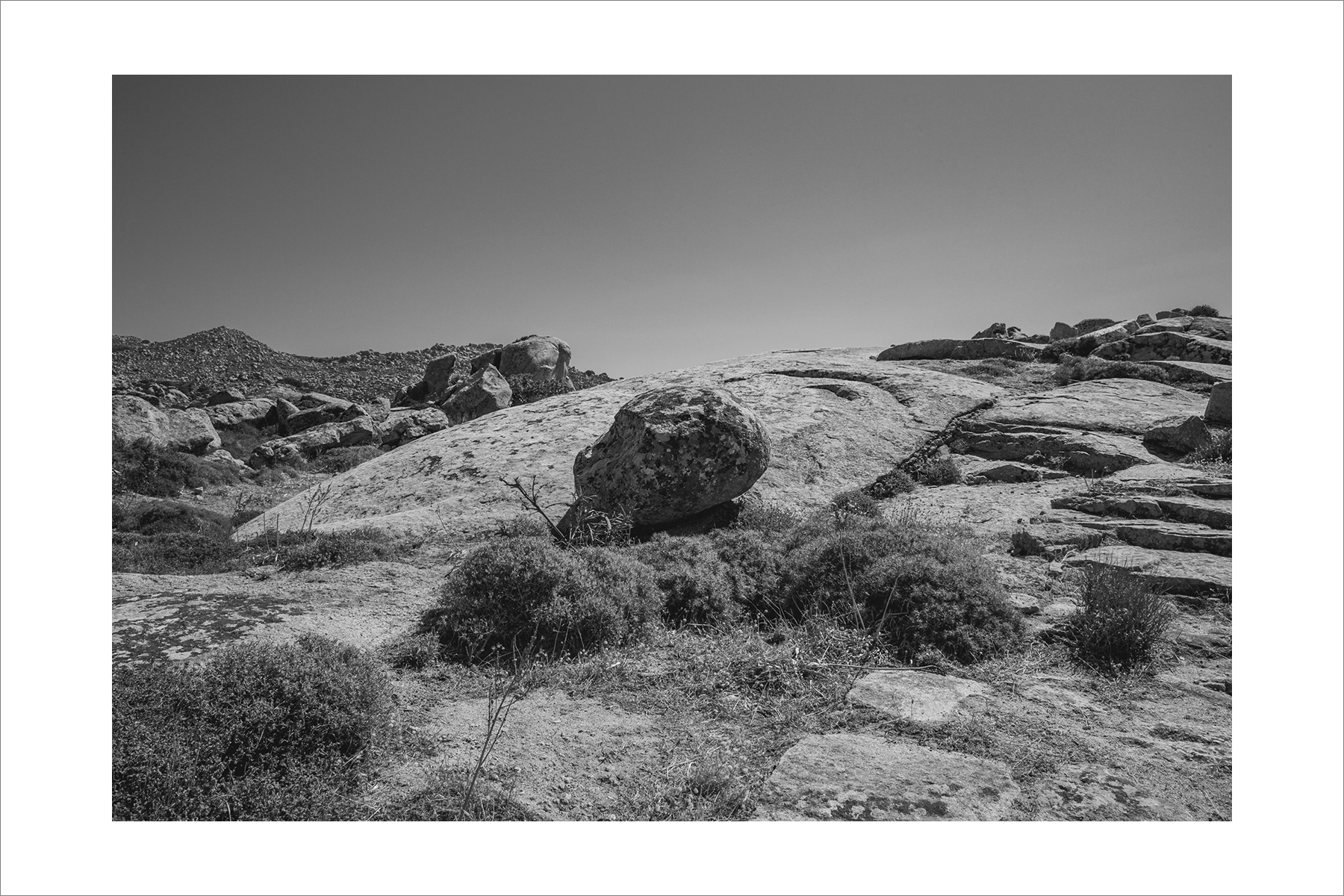
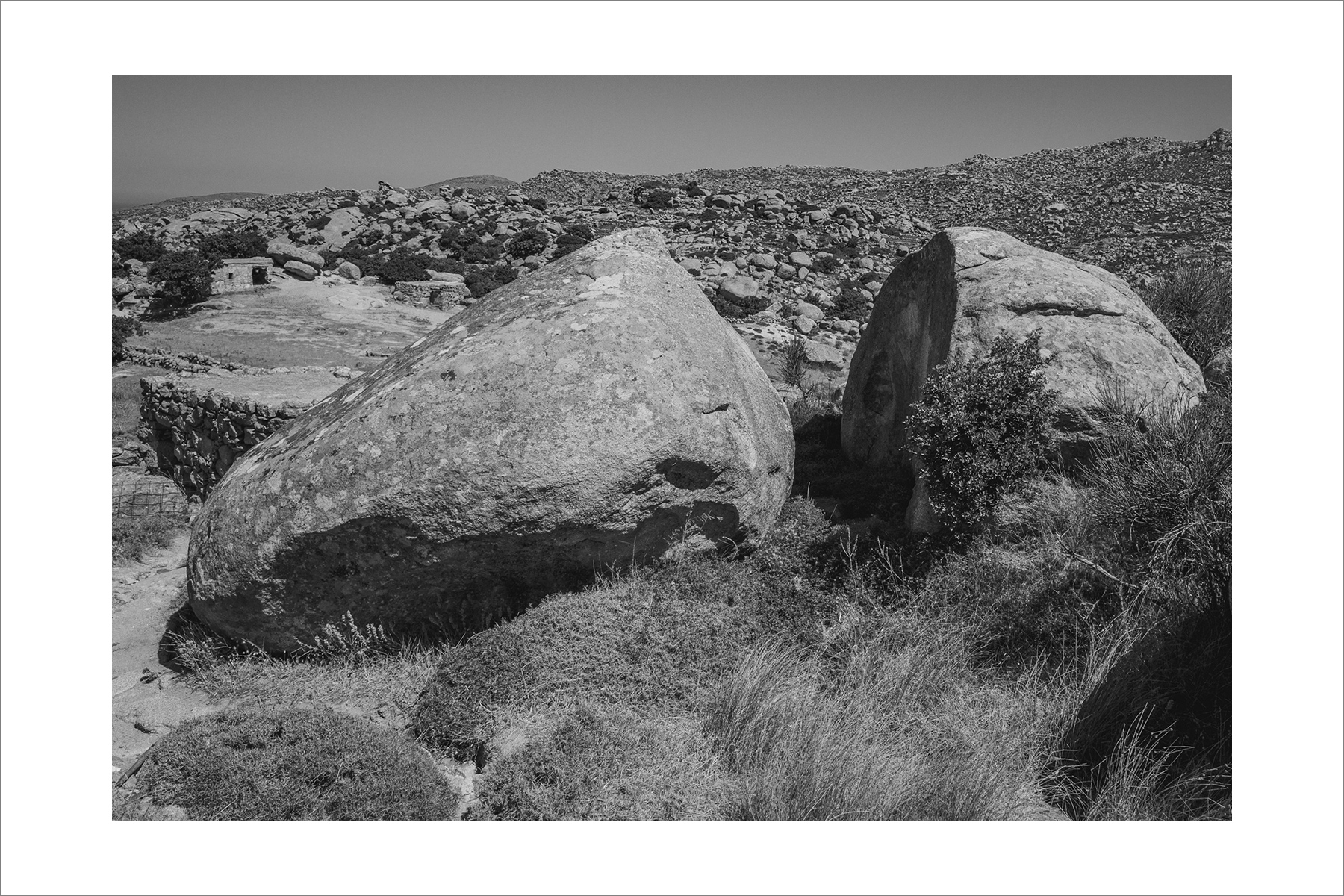
Within this remarkable landscape, Volax appears as a vast open-air art installation:
a field of rounded boulders seemingly placed with intention, as if an invisible
force had carefully arranged them, creating a scene that is at once
primordial and otherworldly.
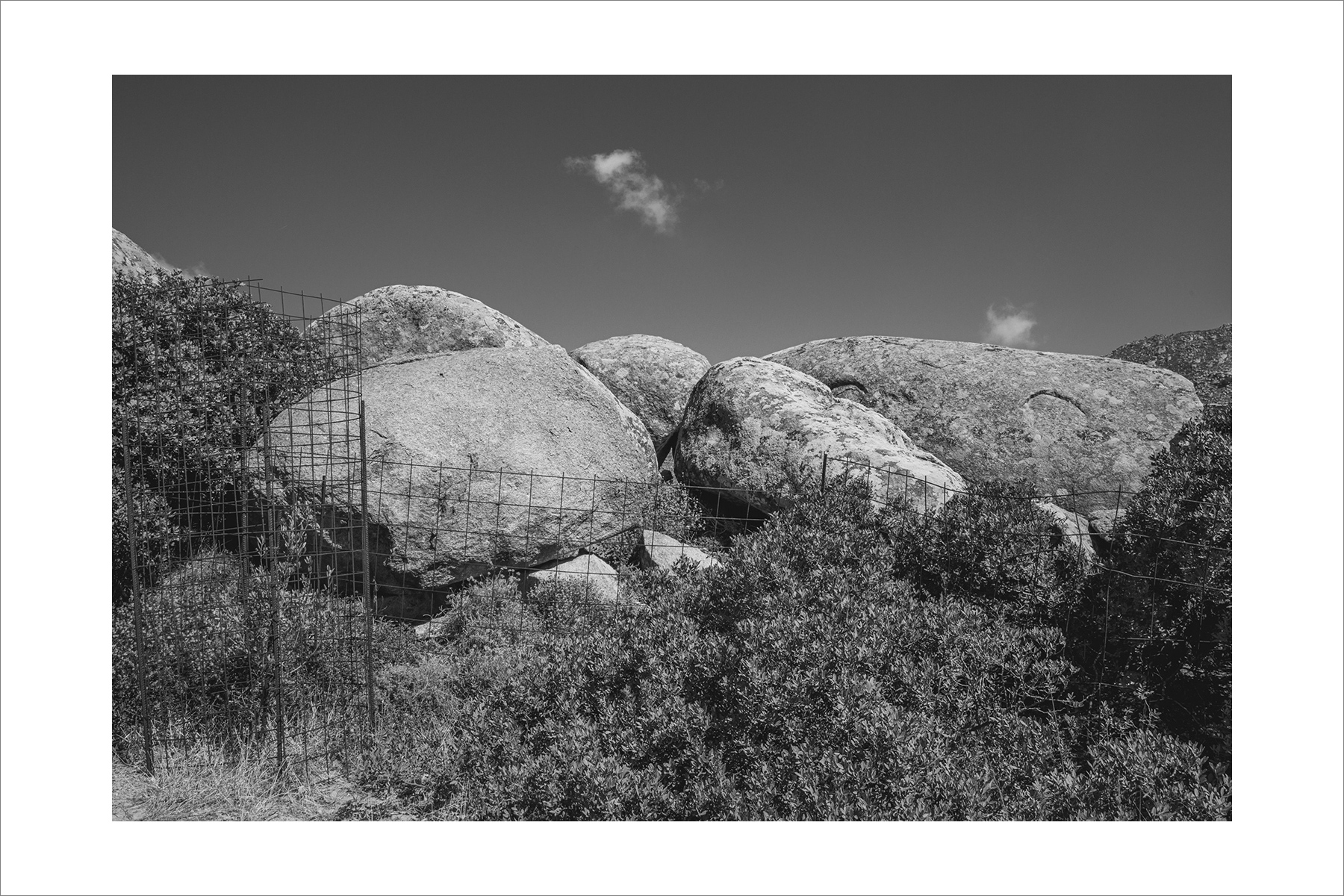
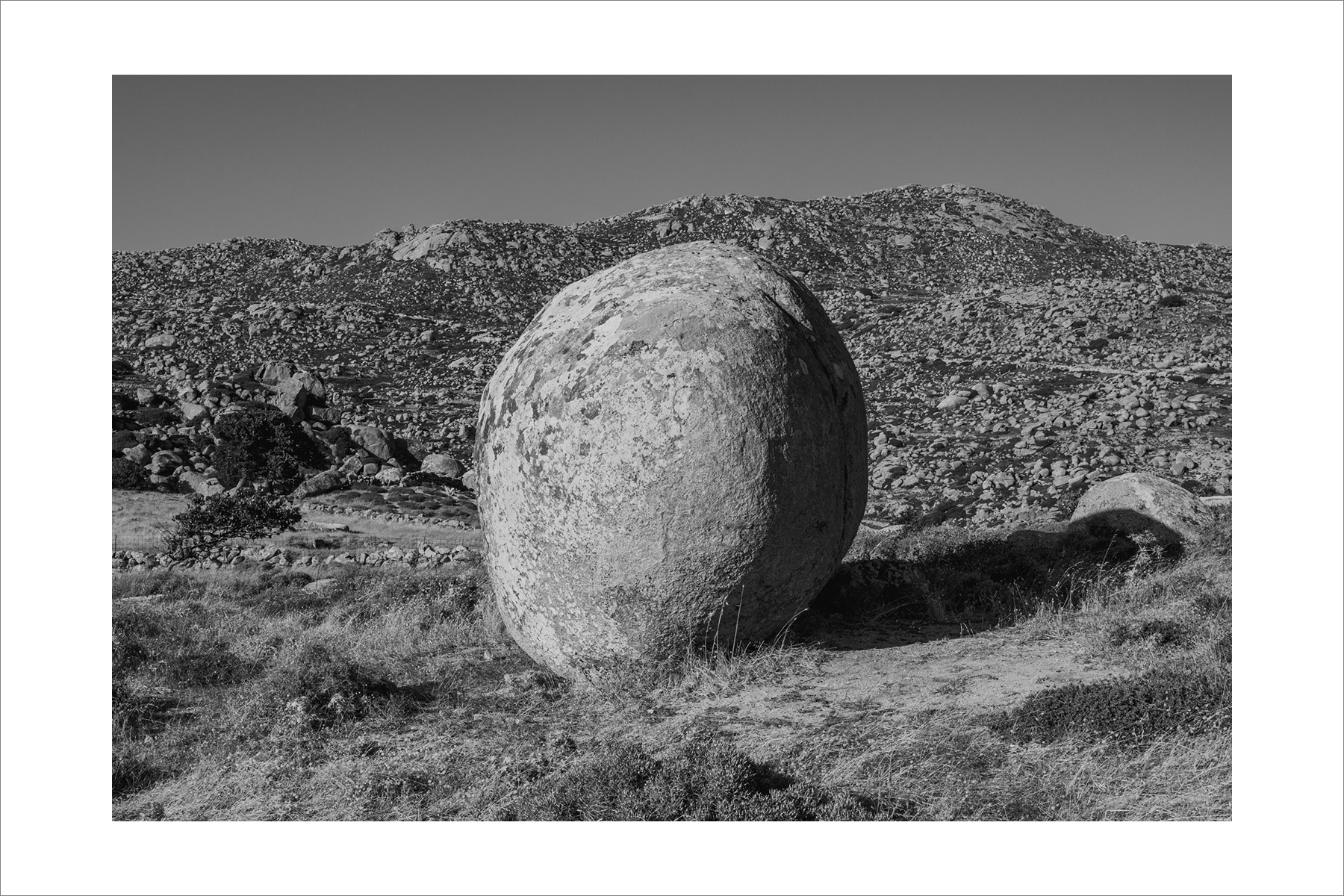
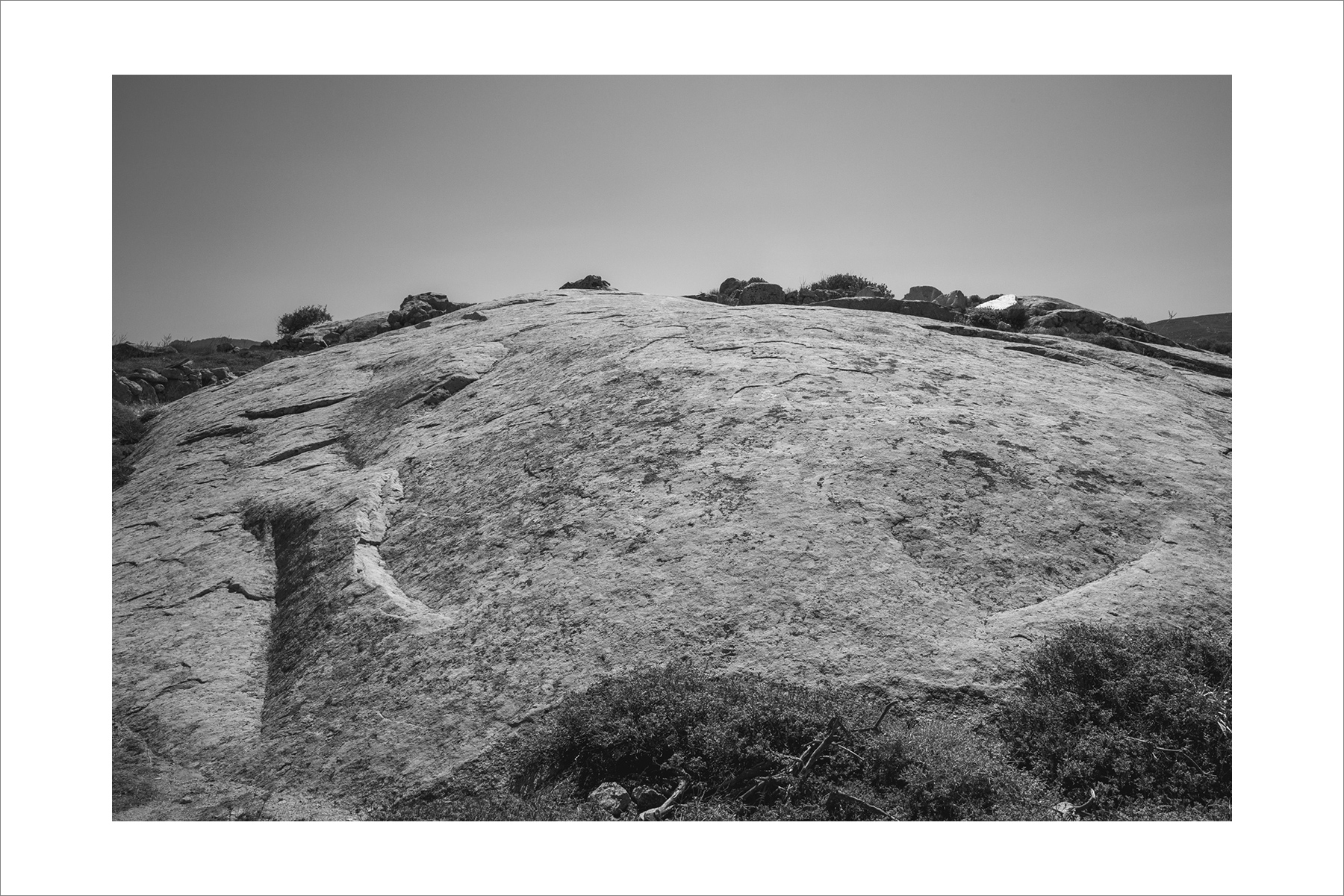
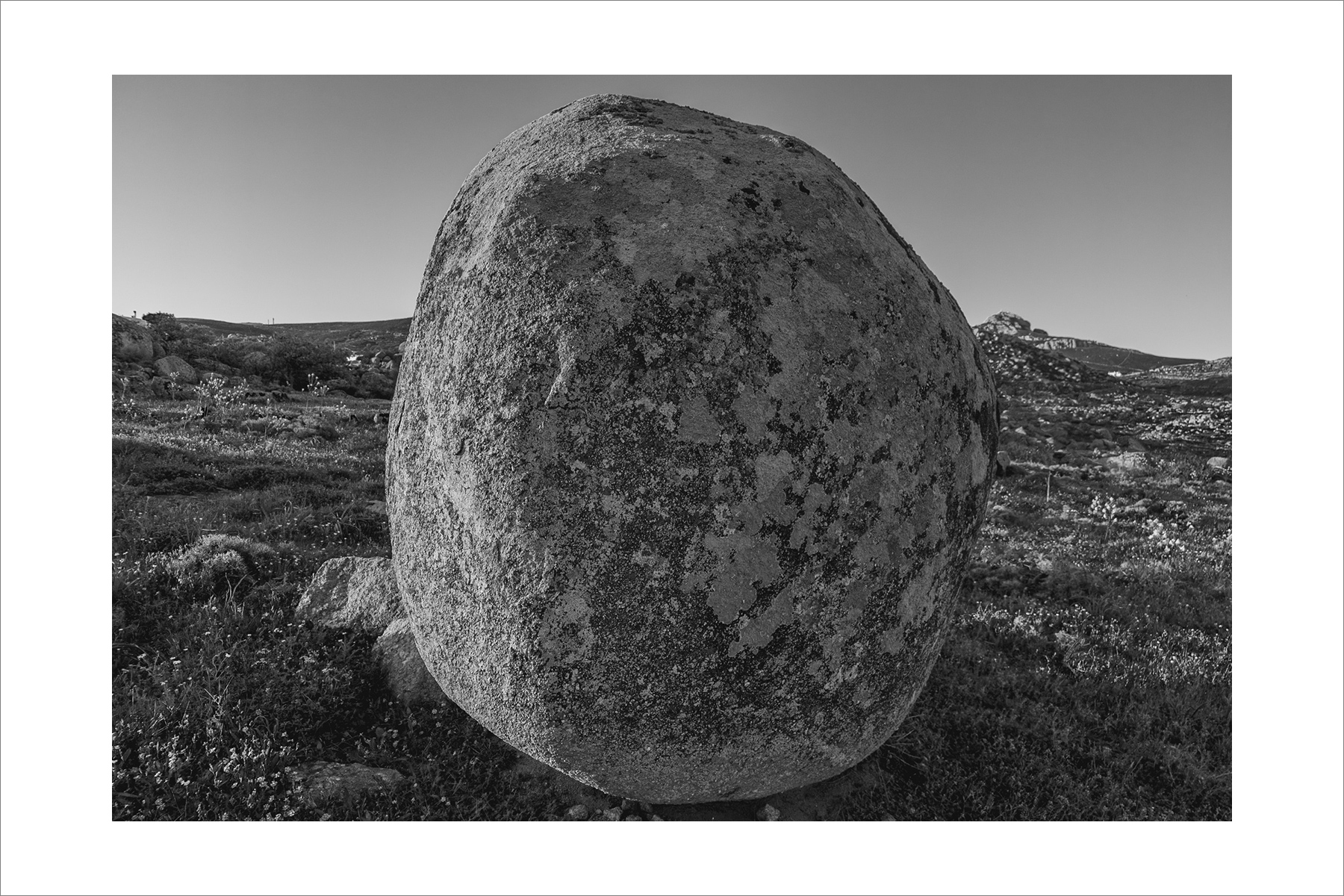
The area’s distinctive granite boulders are the result of a long geological process
of granite weathering and erosion. What makes this landscape truly exceptional is not
only the remarkable degree of roundness of the rocks, but also the vast extent over
which this phenomenon occurs, making Volax a unique geomorphological site.
My own prolonged photographic study — almost an obsession — with the landscape
of Volax began in 2016 and continues to this day.
It is not a completed body of work, but rather an ongoing process of observation,
contemplation, and existential engagement.
More than a documentation of place, this series functions as an exercise in seeing;
a continual return to the image and its possibilities. At the same time,
it serves as a counterbalance to the demands of professional photography:
a space of complete freedom, where the conventions of composition and aesthetics
are not abandoned but shifted, challenged, and continually renegotiated.
Through these photographs, I do not seek to describe Volax, but rather to explore
the relationship between time, decay, and the sense of the uncanny.
My focus has been on geological form, the silence of the landscape,
and the memory that seems to be inscribed upon the stone itself.
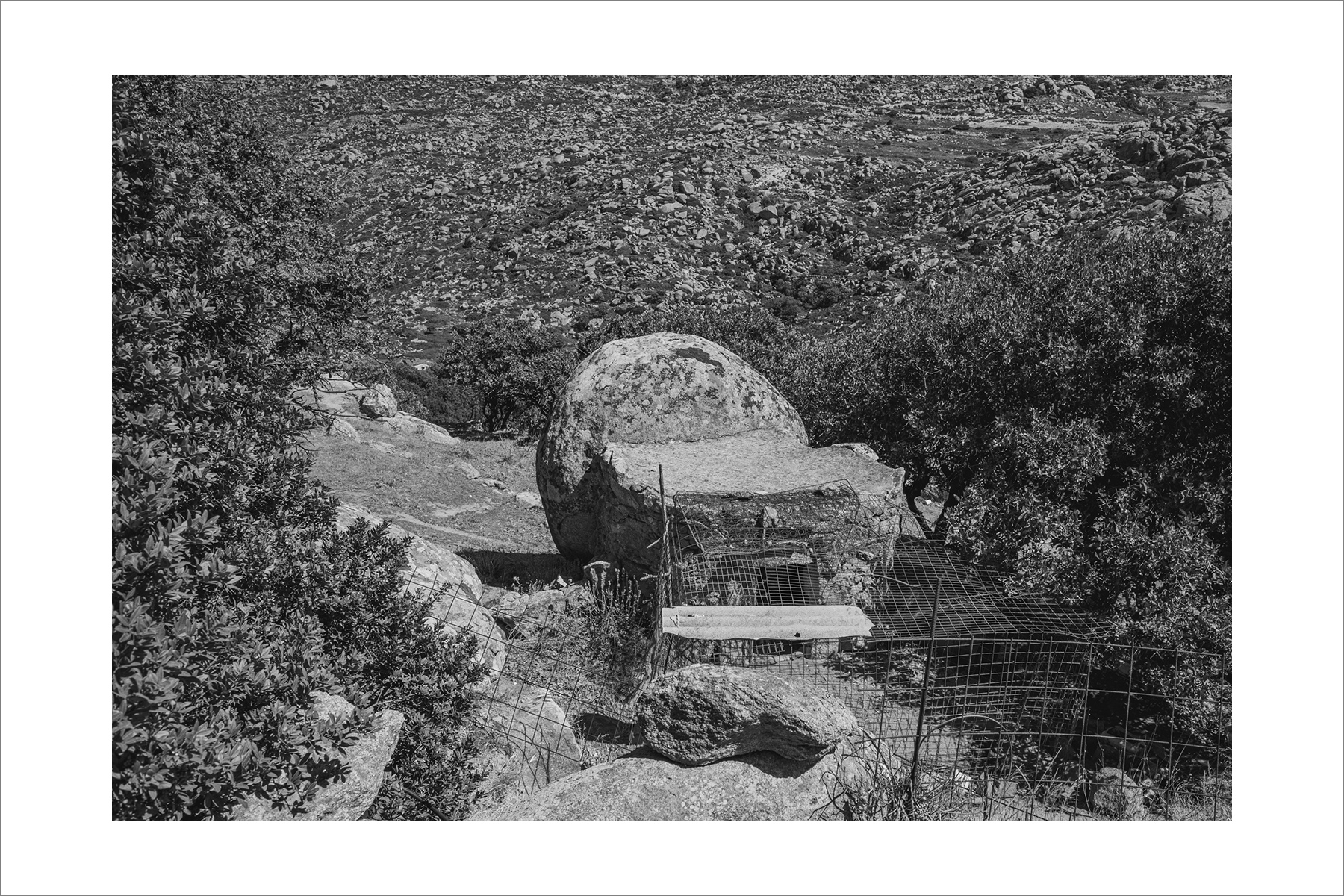
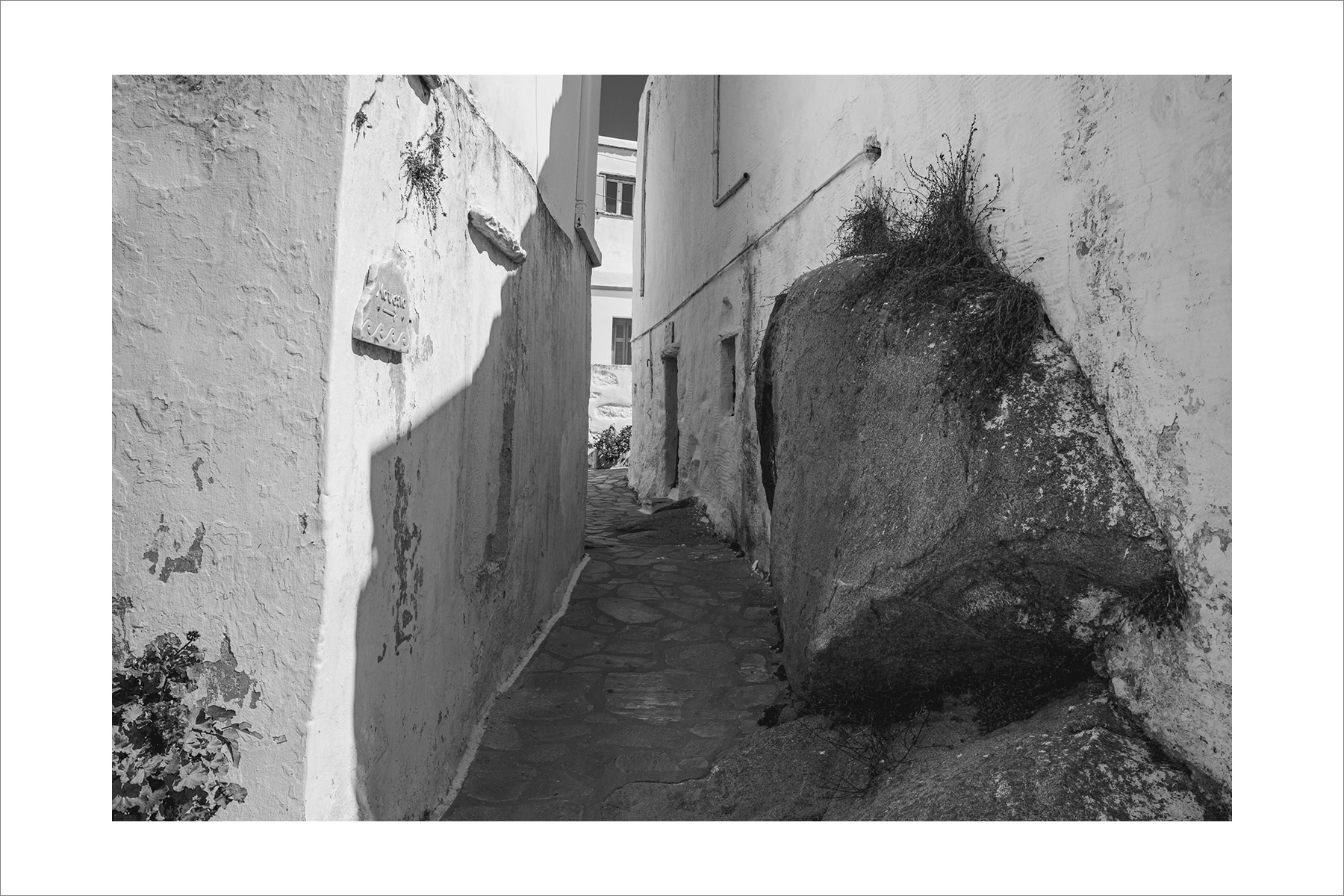
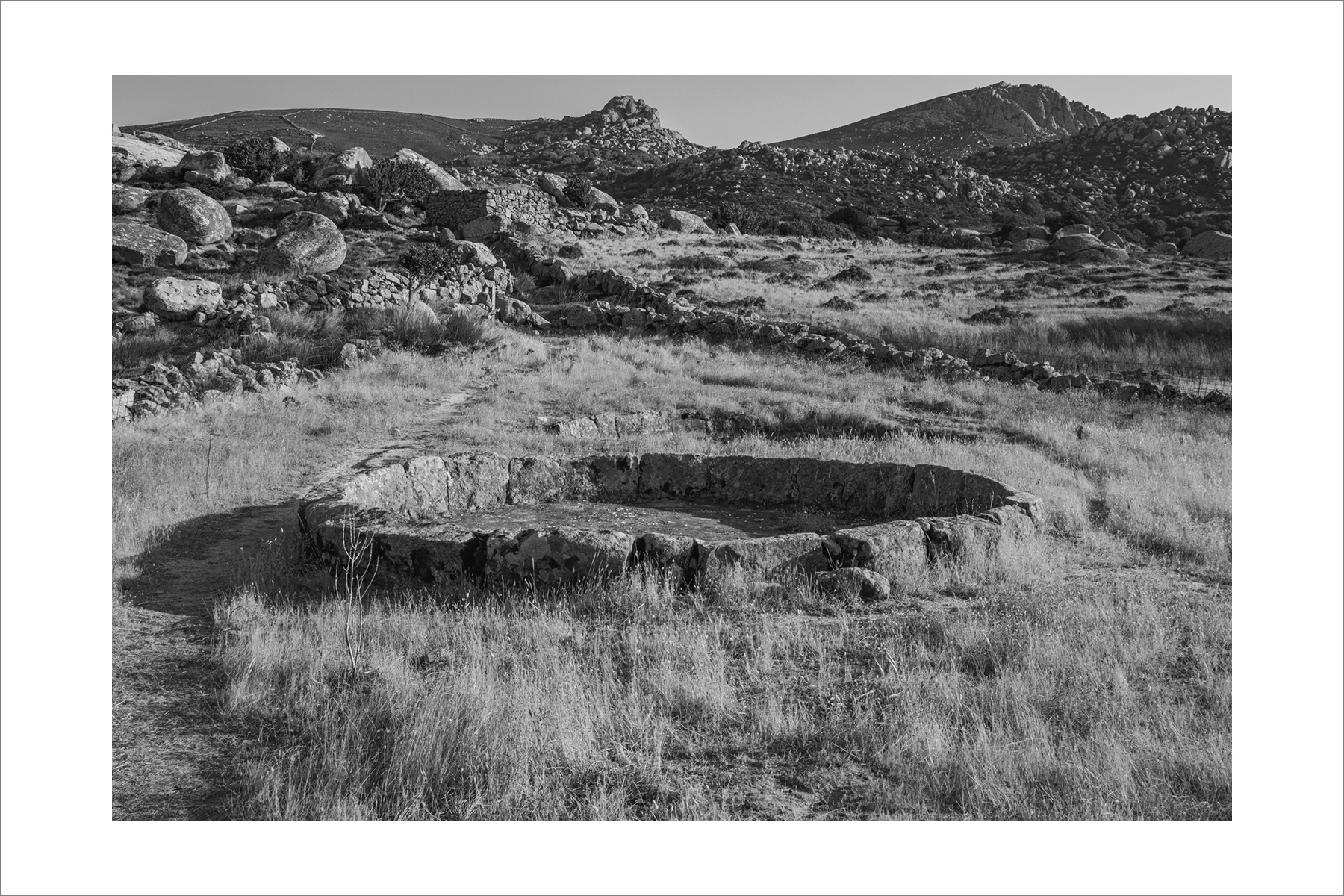
Human presence remains minimal, almost fragile, within an environment
that conveys the impression that it existed long before us and will continue
to exist beyond any human scale.
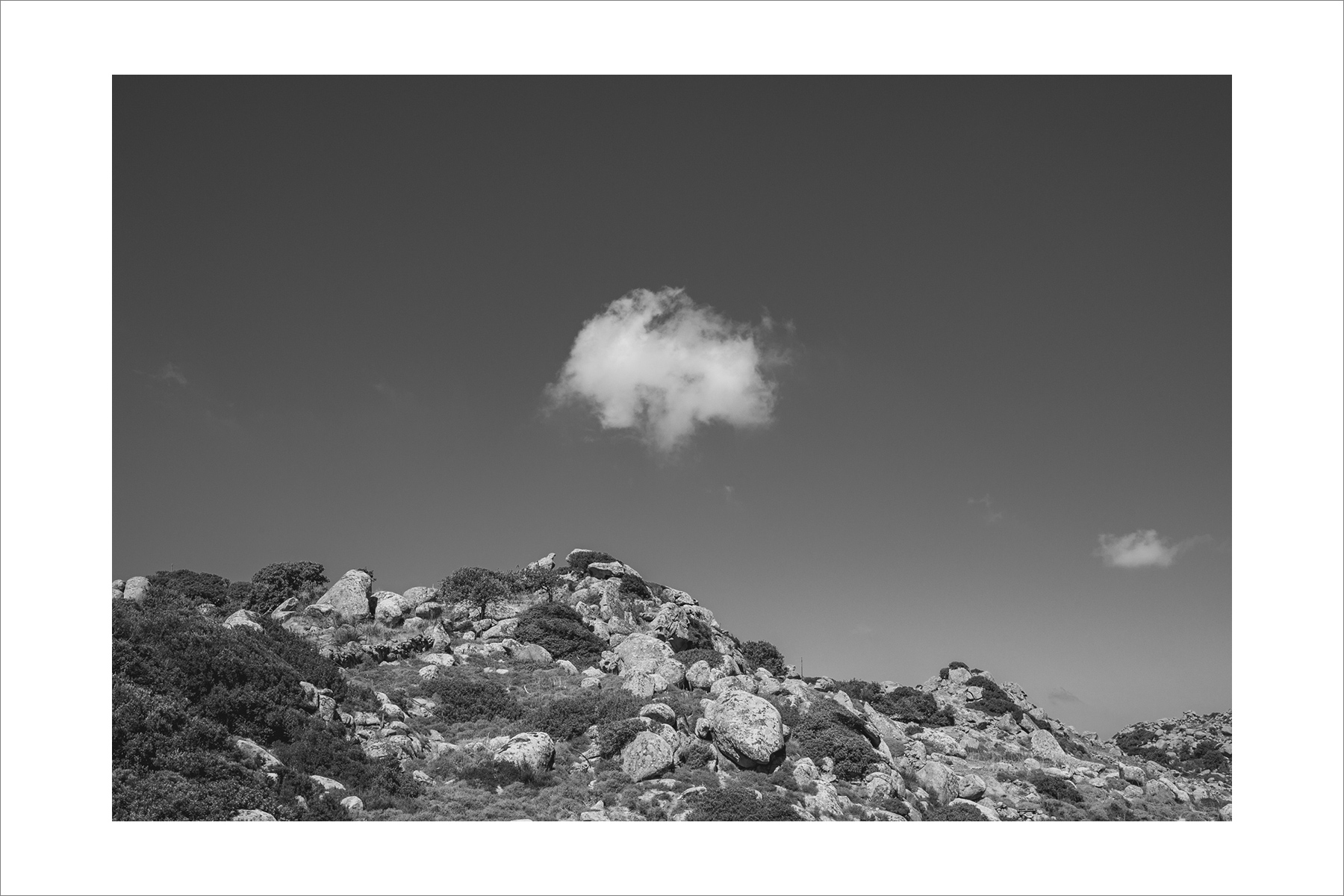
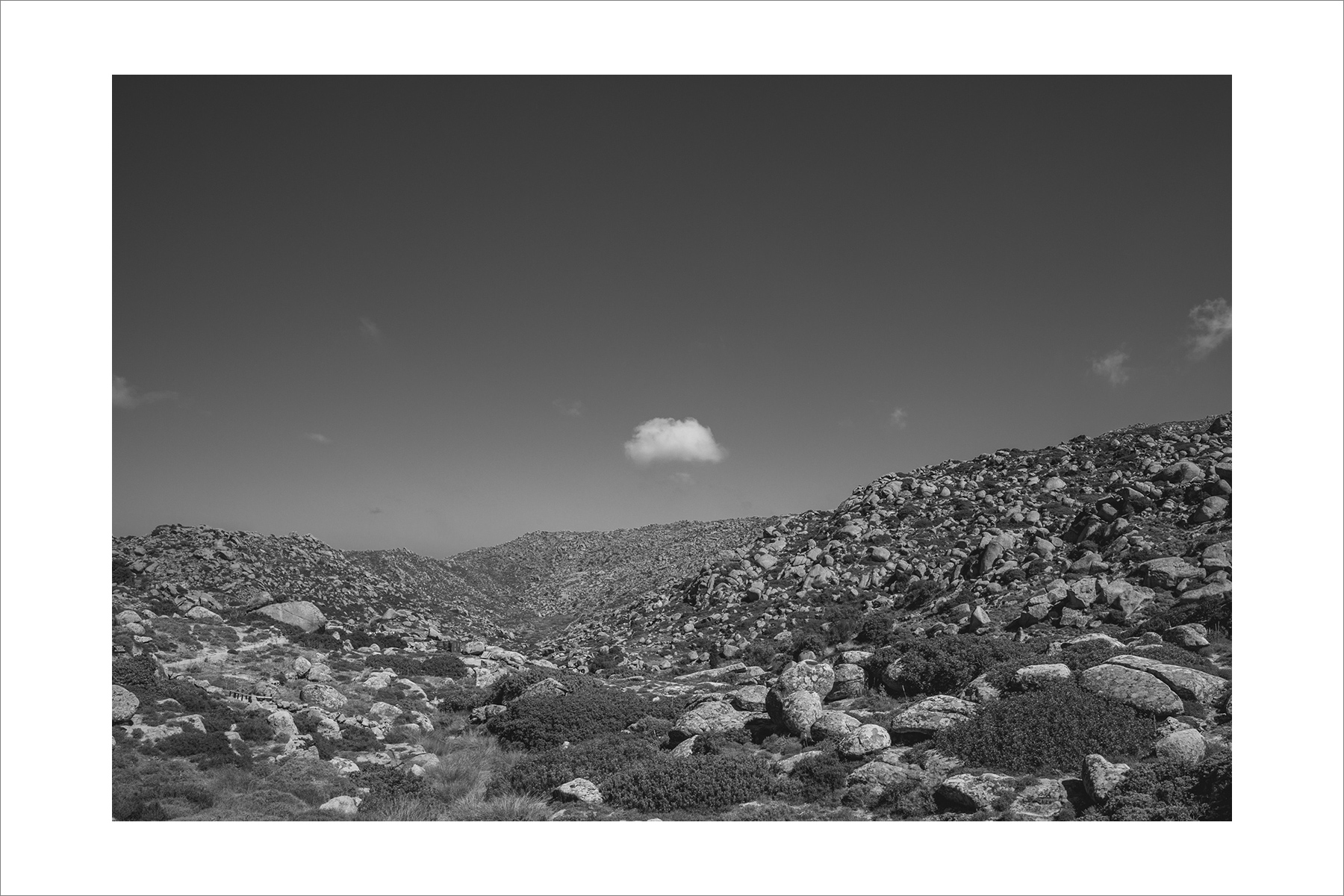
Through the repetition of forms, tonal contrasts, and an almost abstract use of light,
the landscape is transformed into an intermediate state — somewhere between the real
and the imaginary, between earthly matter and an almost lunar experience.
The granite masses function not merely as natural elements, but as primordial forms:
remnants of an ancient geological time, or silent sculptures set within the Cycladic light.
Volax thus emerges not as a geographical destination, but as a psychological
and visual terrain — a place where scale dissolves, time slows down,
and human presence appears temporary when measured against the enduring permanence of stone.
 Tinos - The Mysterious Granite Boulders of Volax and Their Otherworldly Beauty | 1/36
  Tinos - The Mysterious Granite Boulders of Volax and Their Otherworldly Beauty | 2/36
  Tinos - The Mysterious Granite Boulders of Volax and Their Otherworldly Beauty | 3/36
  Tinos - The Mysterious Granite Boulders of Volax and Their Otherworldly Beauty | 4/36
  Tinos - The Mysterious Granite Boulders of Volax and Their Otherworldly Beauty | 5/36
  Tinos - The Mysterious Granite Boulders of Volax and Their Otherworldly Beauty | 6/36
  Tinos - The Mysterious Granite Boulders of Volax and Their Otherworldly Beauty | 7/36
  Tinos - The Mysterious Granite Boulders of Volax and Their Otherworldly Beauty | 8/36
  Tinos - The Mysterious Granite Boulders of Volax and Their Otherworldly Beauty | 9/36
  Tinos - The Mysterious Granite Boulders of Volax and Their Otherworldly Beauty | 10/36
  Tinos - The Mysterious Granite Boulders of Volax and Their Otherworldly Beauty | 11/36
  Tinos - The Mysterious Granite Boulders of Volax and Their Otherworldly Beauty | 12/36
  Tinos - The Mysterious Granite Boulders of Volax and Their Otherworldly Beauty | 13/36
  Tinos - The Mysterious Granite Boulders of Volax and Their Otherworldly Beauty | 14/36
  Tinos - The Mysterious Granite Boulders of Volax and Their Otherworldly Beauty | 15/36
  Tinos - The Mysterious Granite Boulders of Volax and Their Otherworldly Beauty | 16/36
  Tinos - The Mysterious Granite Boulders of Volax and Their Otherworldly Beauty | 17/36
  Tinos - The Mysterious Granite Boulders of Volax and Their Otherworldly Beauty | 18/36
  Tinos - The Mysterious Granite Boulders of Volax and Their Otherworldly Beauty | 19/36
  Tinos - The Mysterious Granite Boulders of Volax and Their Otherworldly Beauty | 20/36
  Tinos - The Mysterious Granite Boulders of Volax and Their Otherworldly Beauty | 21/36
  Tinos - The Mysterious Granite Boulders of Volax and Their Otherworldly Beauty | 22/36
  Tinos - The Mysterious Granite Boulders of Volax and Their Otherworldly Beauty | 23/36
  Tinos - The Mysterious Granite Boulders of Volax and Their Otherworldly Beauty | 24/36
  Tinos - The Mysterious Granite Boulders of Volax and Their Otherworldly Beauty | 25/36
  Tinos - The Mysterious Granite Boulders of Volax and Their Otherworldly Beauty | 26/36
  Tinos - The Mysterious Granite Boulders of Volax and Their Otherworldly Beauty | 27/36
  Tinos - The Mysterious Granite Boulders of Volax and Their Otherworldly Beauty | 28/36
  Tinos - The Mysterious Granite Boulders of Volax and Their Otherworldly Beauty | 29/36
  Tinos - The Mysterious Granite Boulders of Volax and Their Otherworldly Beauty | 30/36
  Tinos - The Mysterious Granite Boulders of Volax and Their Otherworldly Beauty | 31/36
  Tinos - The Mysterious Granite Boulders of Volax and Their Otherworldly Beauty | 32/36
 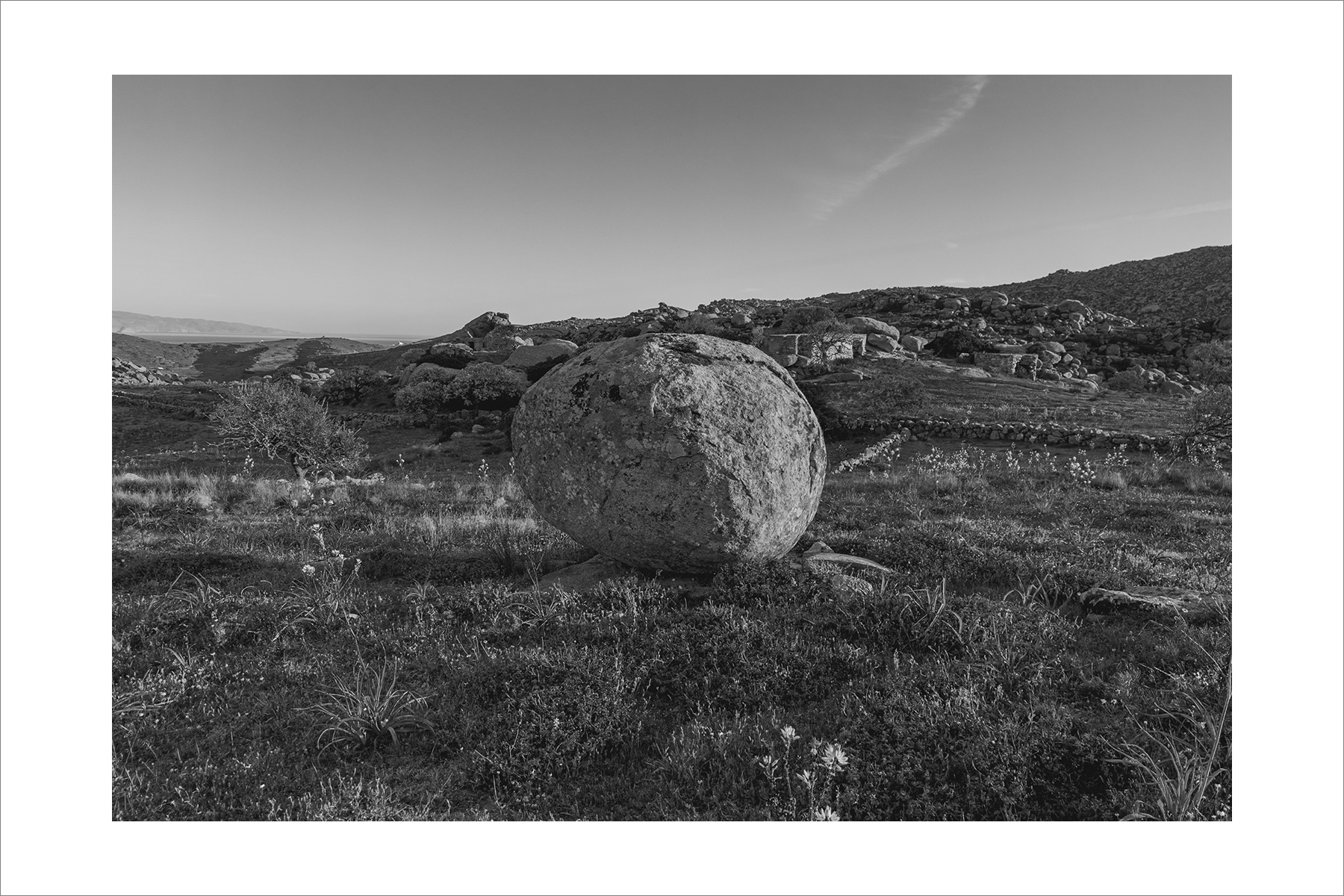 Tinos - The Mysterious Granite Boulders of Volax and Their Otherworldly Beauty | 33/36
 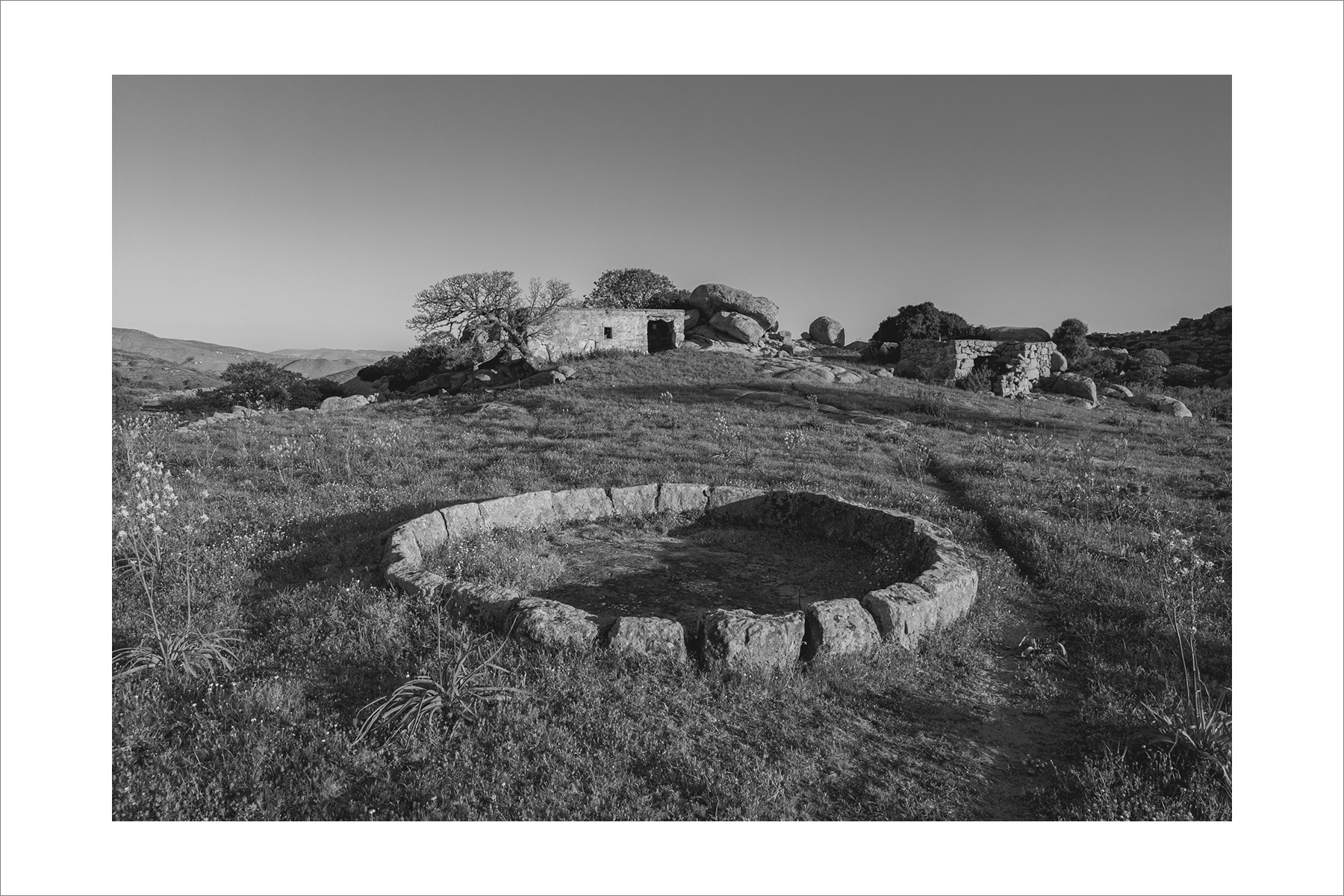 Tinos - The Mysterious Granite Boulders of Volax and Their Otherworldly Beauty | 34/36
 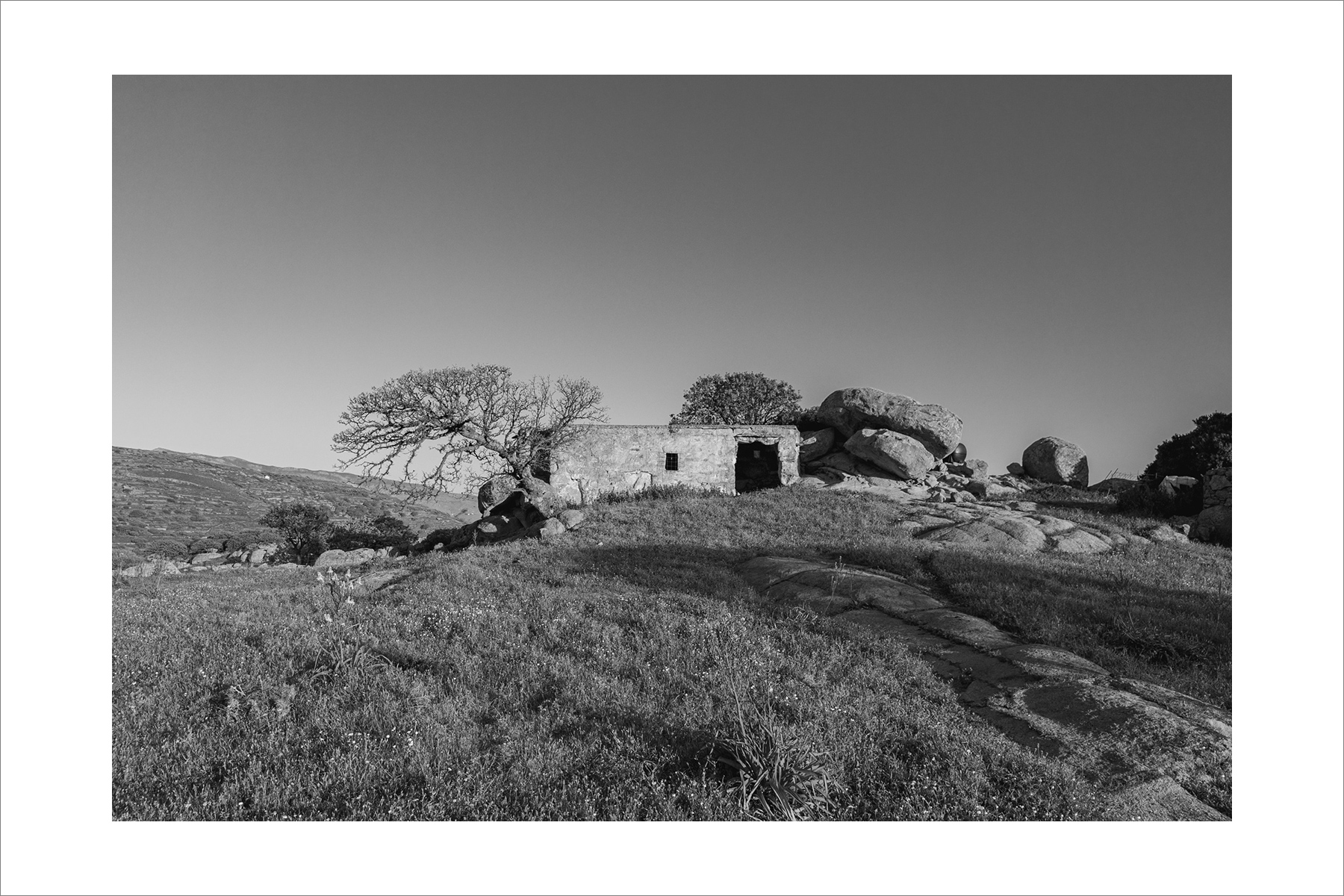 Tinos - The Mysterious Granite Boulders of Volax and Their Otherworldly Beauty | 35/36
 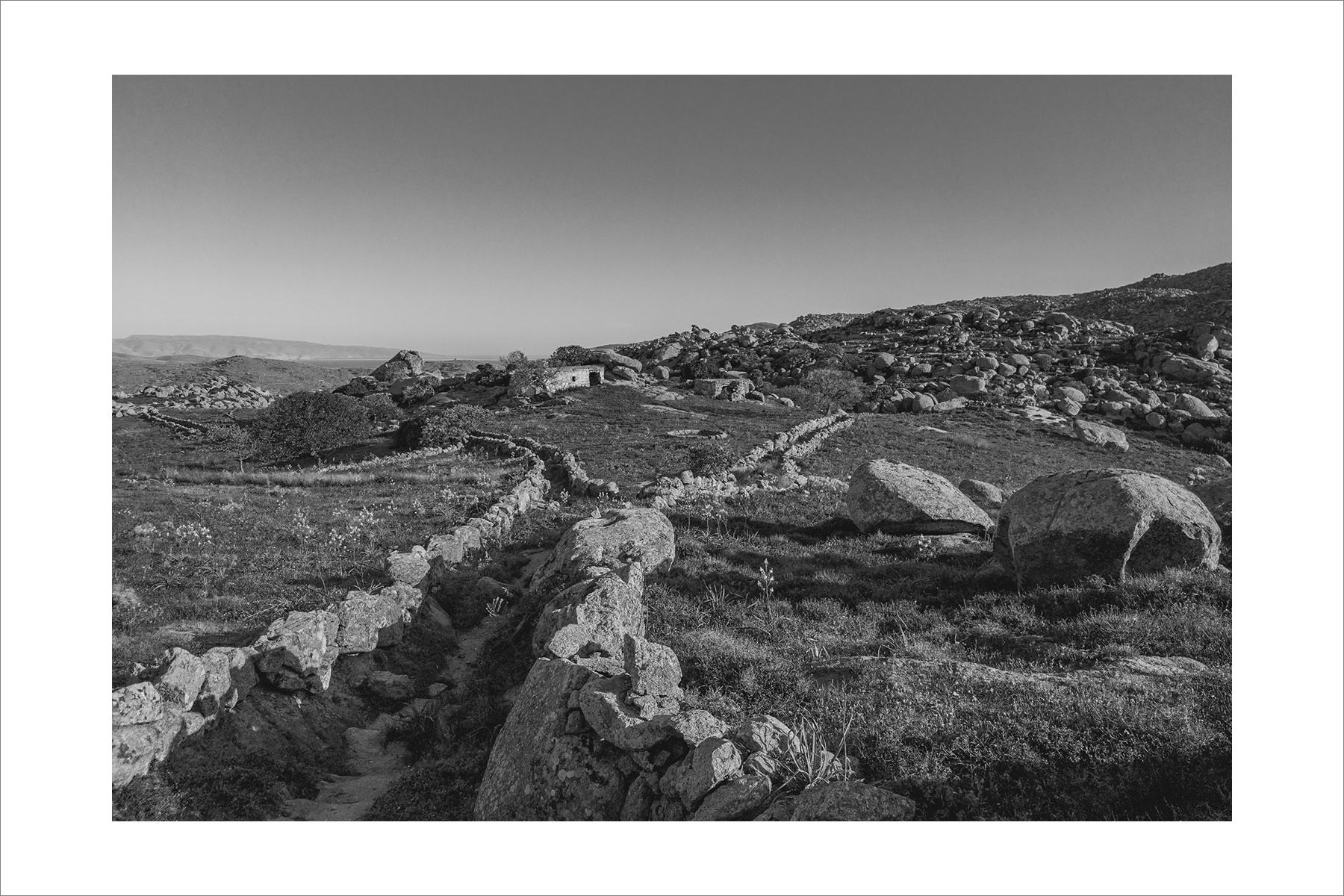 Tinos - The Mysterious Granite Boulders of Volax and Their Otherworldly Beauty | 36/36