
Kerameikos “The Marble Elysian Fields, the Elysian Fields of Art”
Photographic Essay
“You did not cast me down to Tartarus, nor leave me in Hades,
but, blessed and immortal, you raised me up forever
in the marble Elysian Fields, in the Elysian Fields of Art.”
Kostis Palamas, The Tombs of Kerameikos
In ancient tradition, the Elysian Fields were the place where heroes and the virtuous went
after death. Palamas transposes this idea to Kerameikos, entrusting it to Art.
Here, death is not the end.
By transforming Kerameikos into the “marble Elysian Fields of Art,”
Palamas connects artistic creation with the transcendence of death.
The dead are neither surrendered to oblivion nor lost in Hades;
they endure in memory, remaining “unmoving and unfading” through
the carved marble that preserves their likeness and their memory.
___________________
Kerameikos
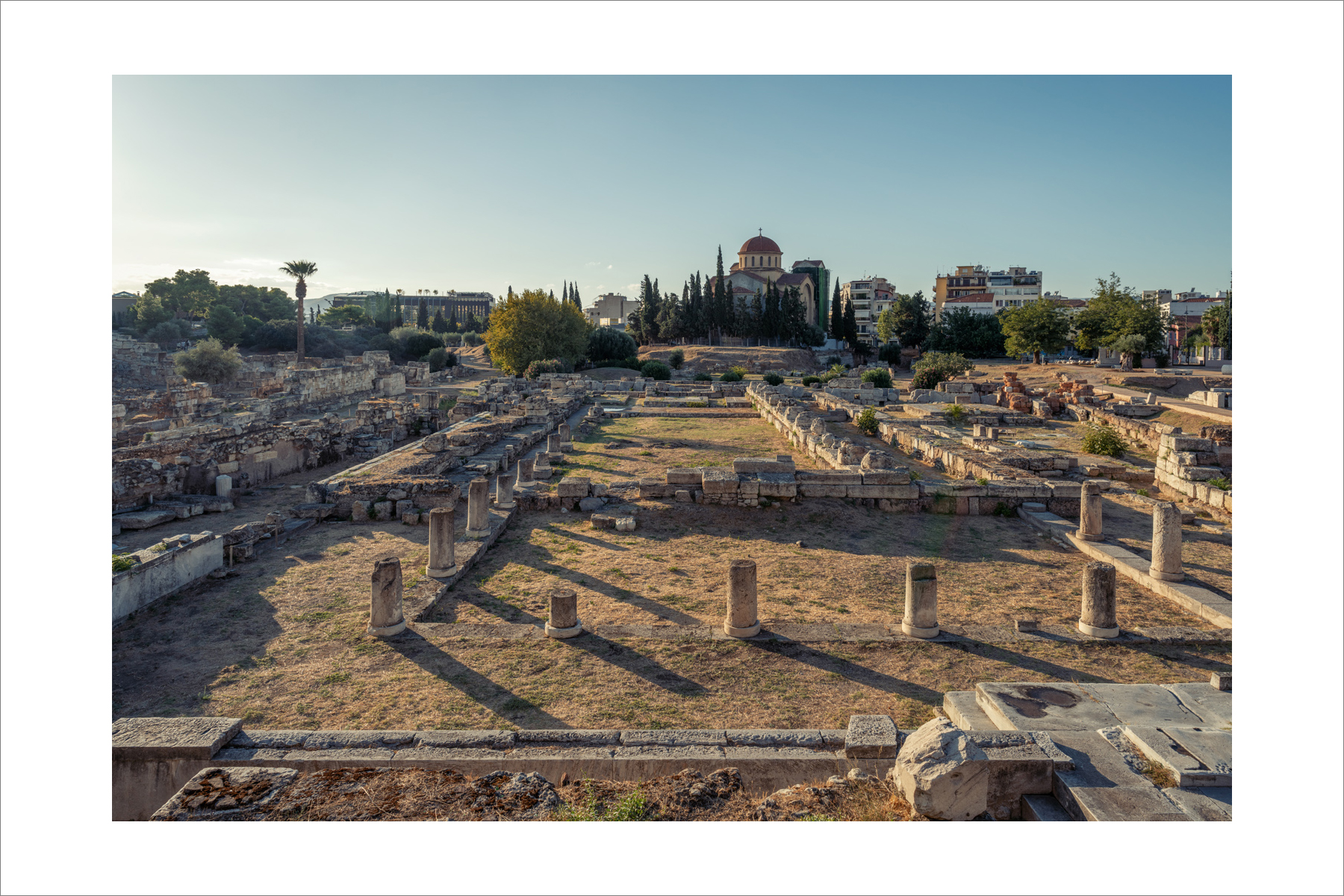
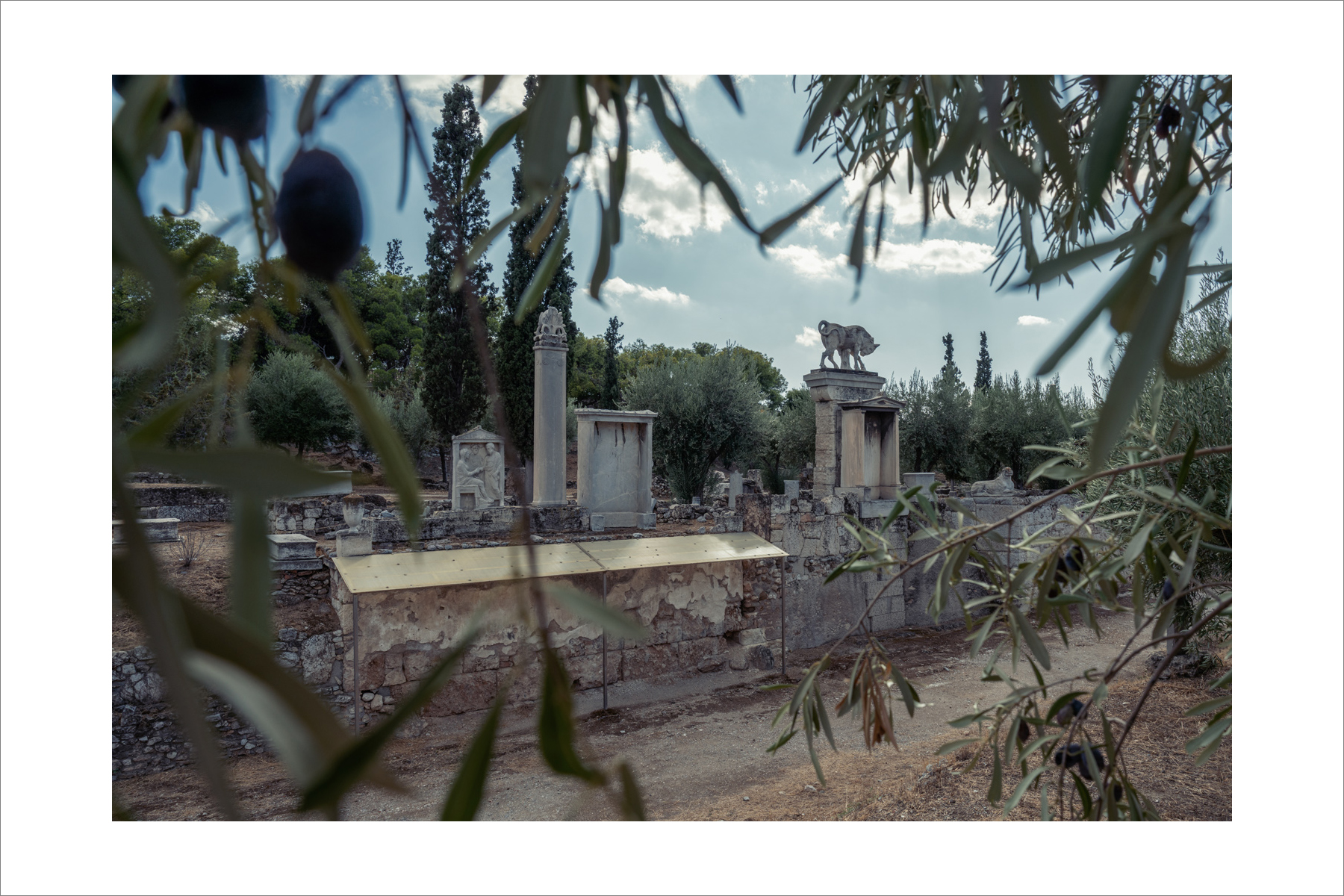
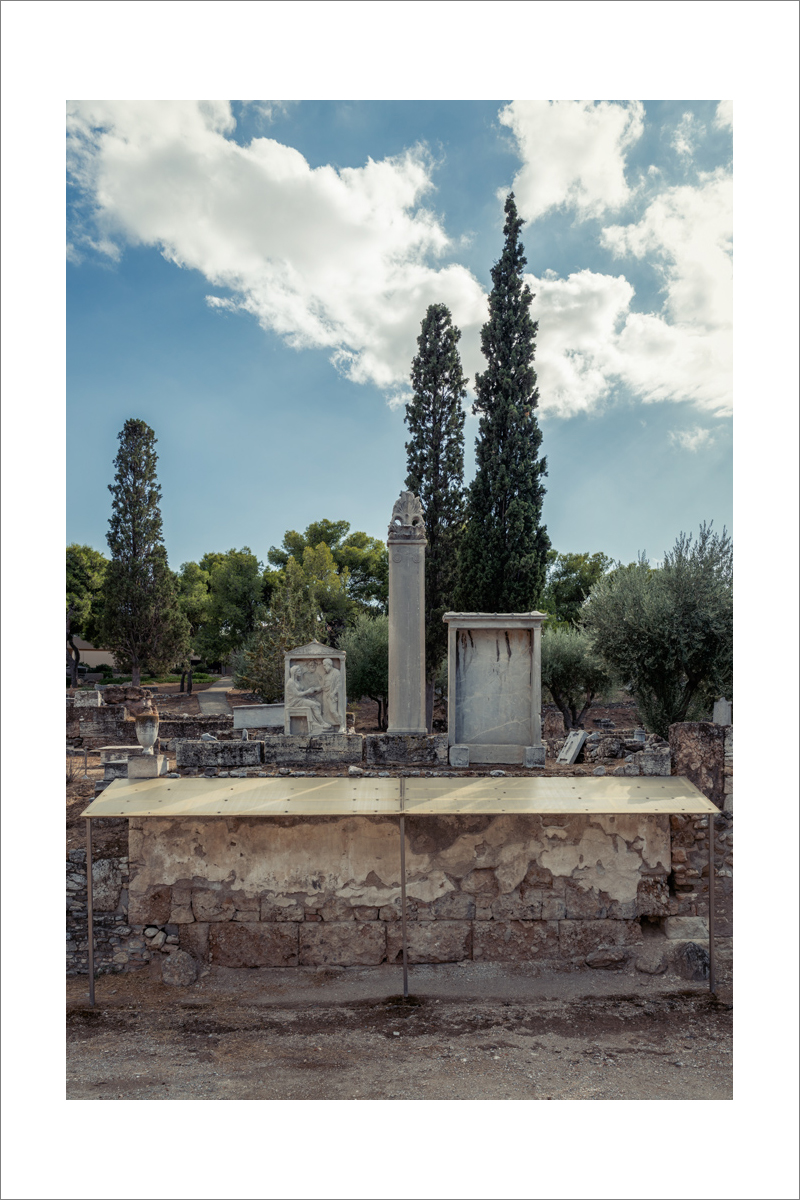
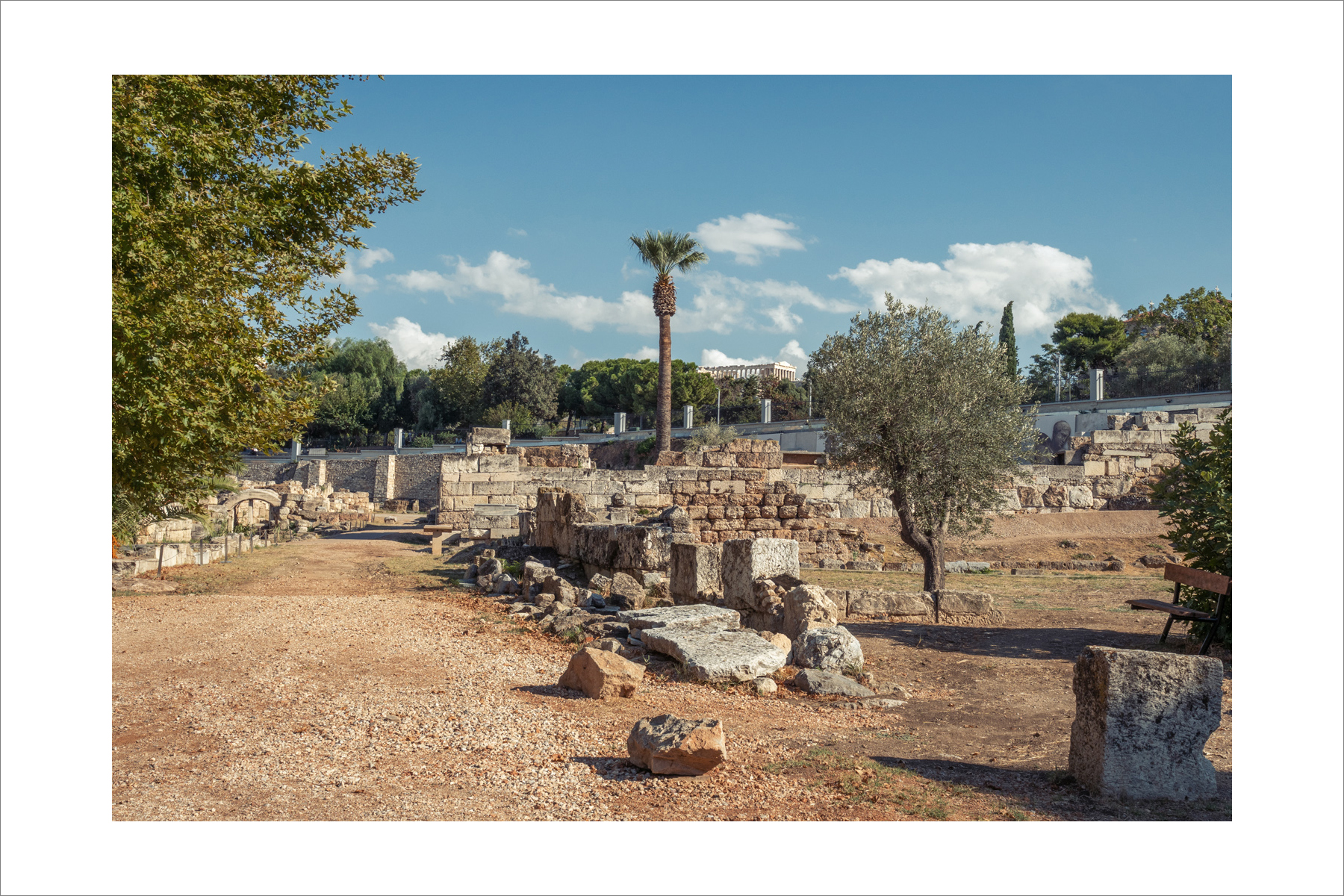
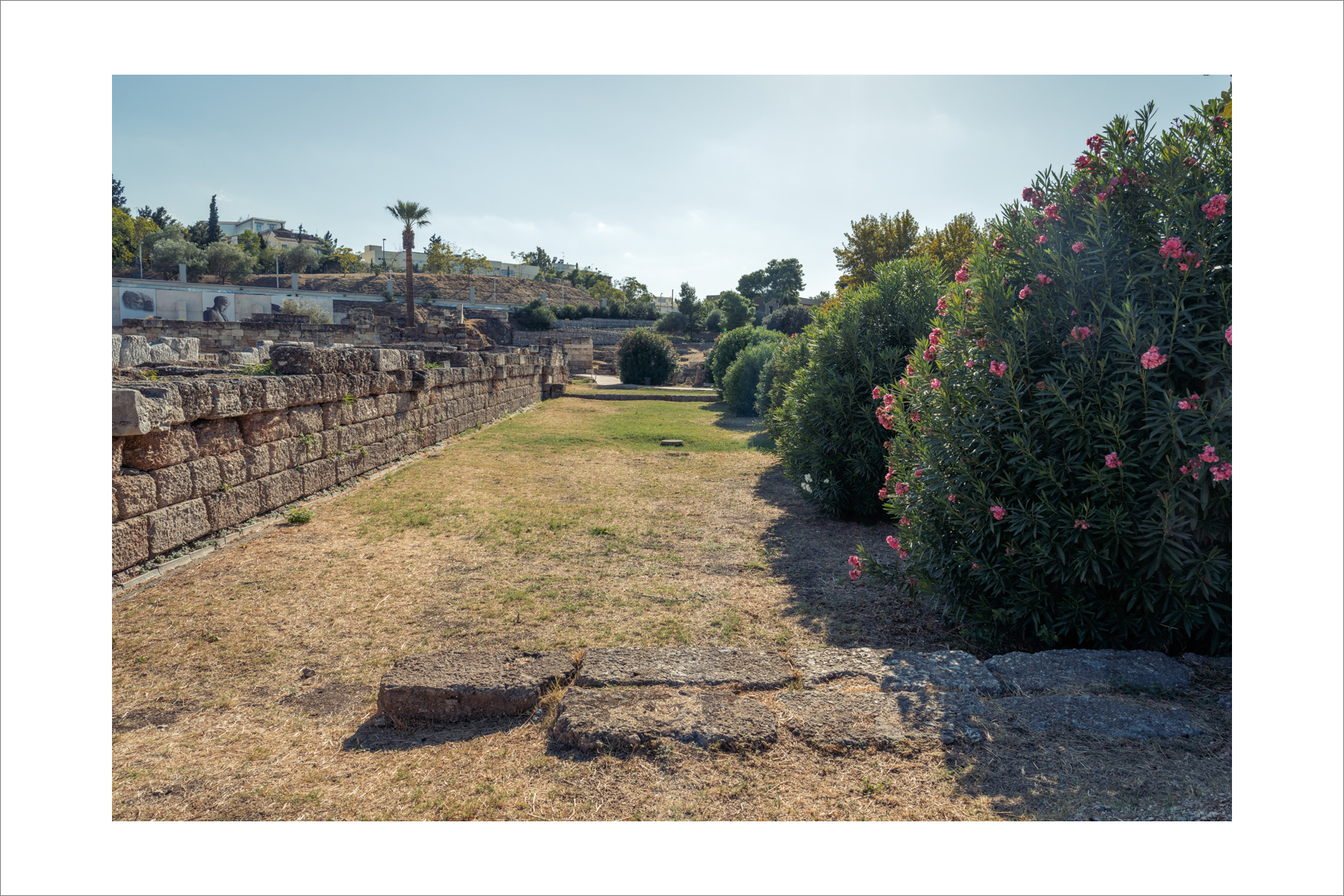
The archaeological site of Kerameikos covers an area of 41,000 square metres
and is now bordered by Ermou, Pireos and Asomaton Streets.
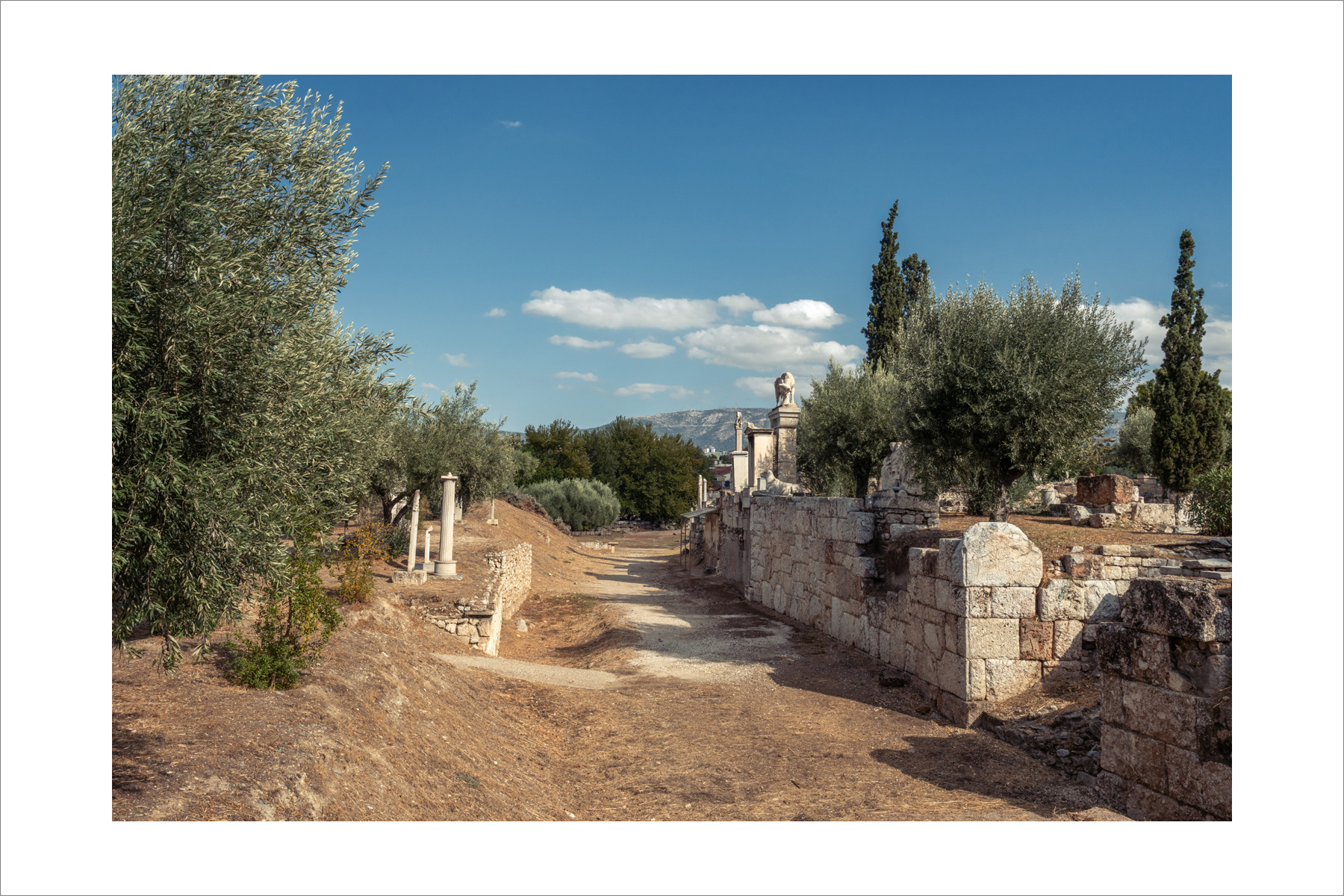
Kerameikos was once a neighbourhood of potters and vase painters in ancient Athens,
as well as the city’s most important cemetery.
Its location on the banks of the Eridanos River favoured the establishment of workshops,
thanks to the clay-rich soil. The same area, however, gradually began to be used
as a burial ground because of frequent flooding.
The earliest burials date to the Early Bronze Age, between 2700 and 2000 BC.
The site continued to serve as a cemetery for many centuries, making Kerameikos
one of Athens’ most significant archaeological landscapes.
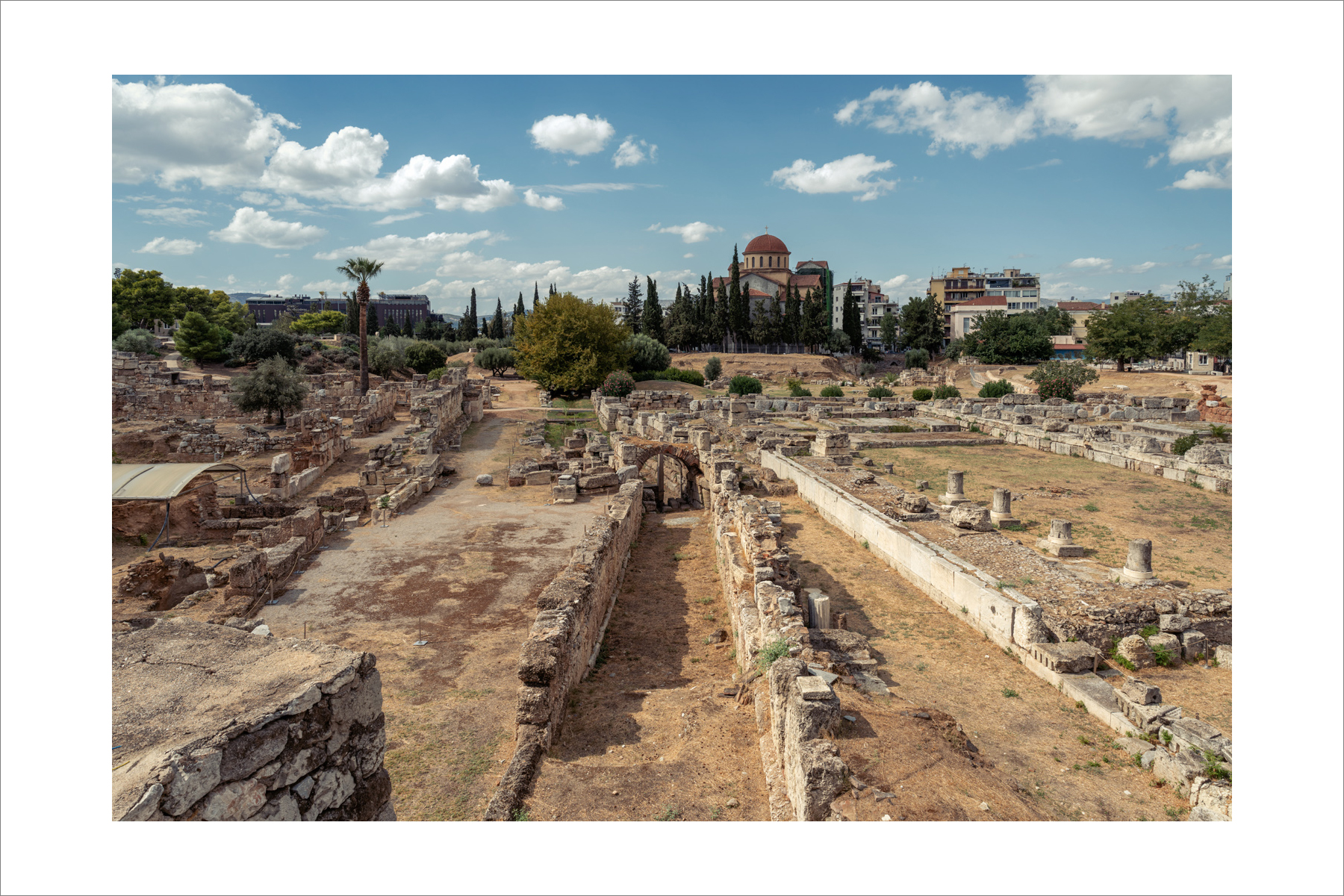
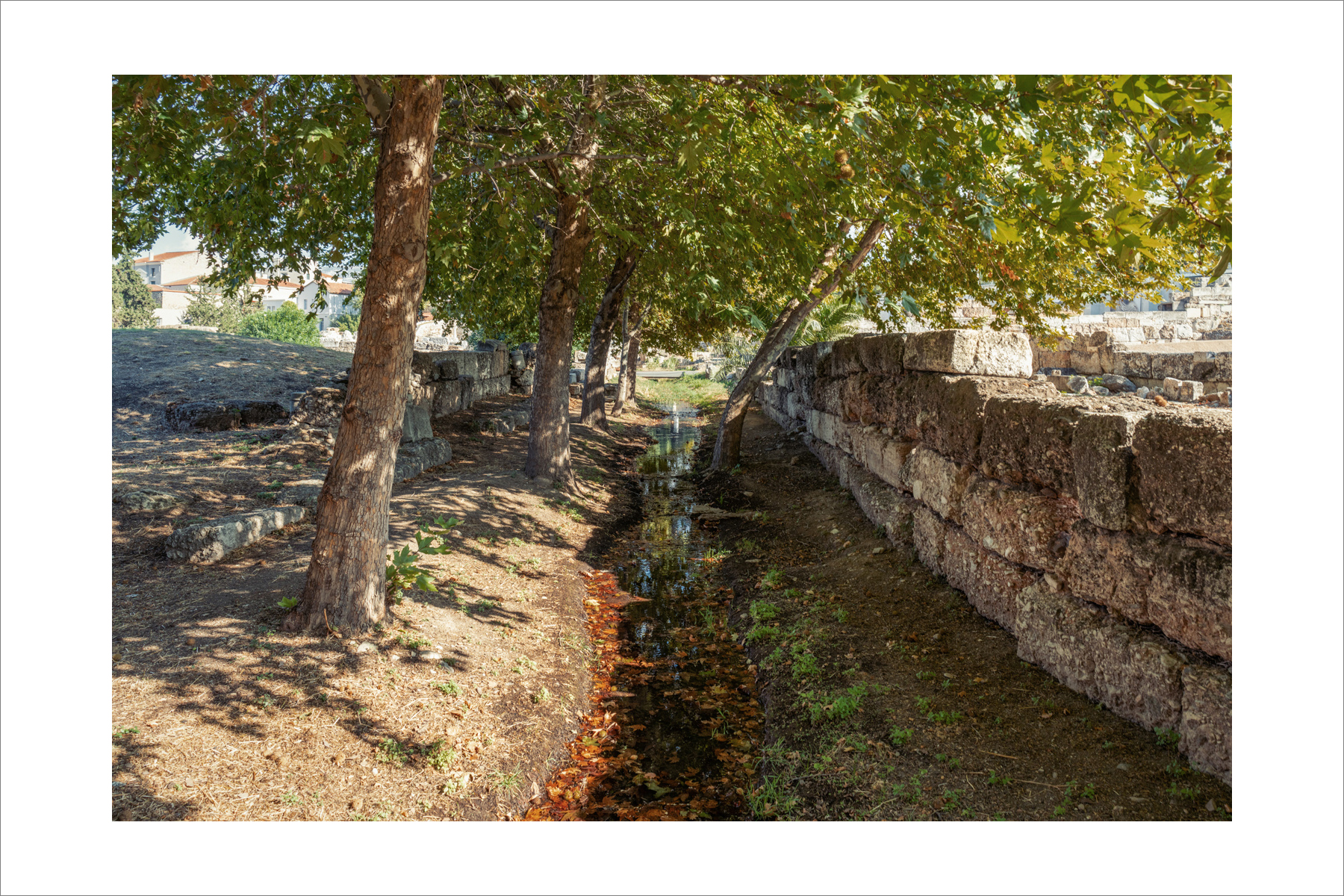
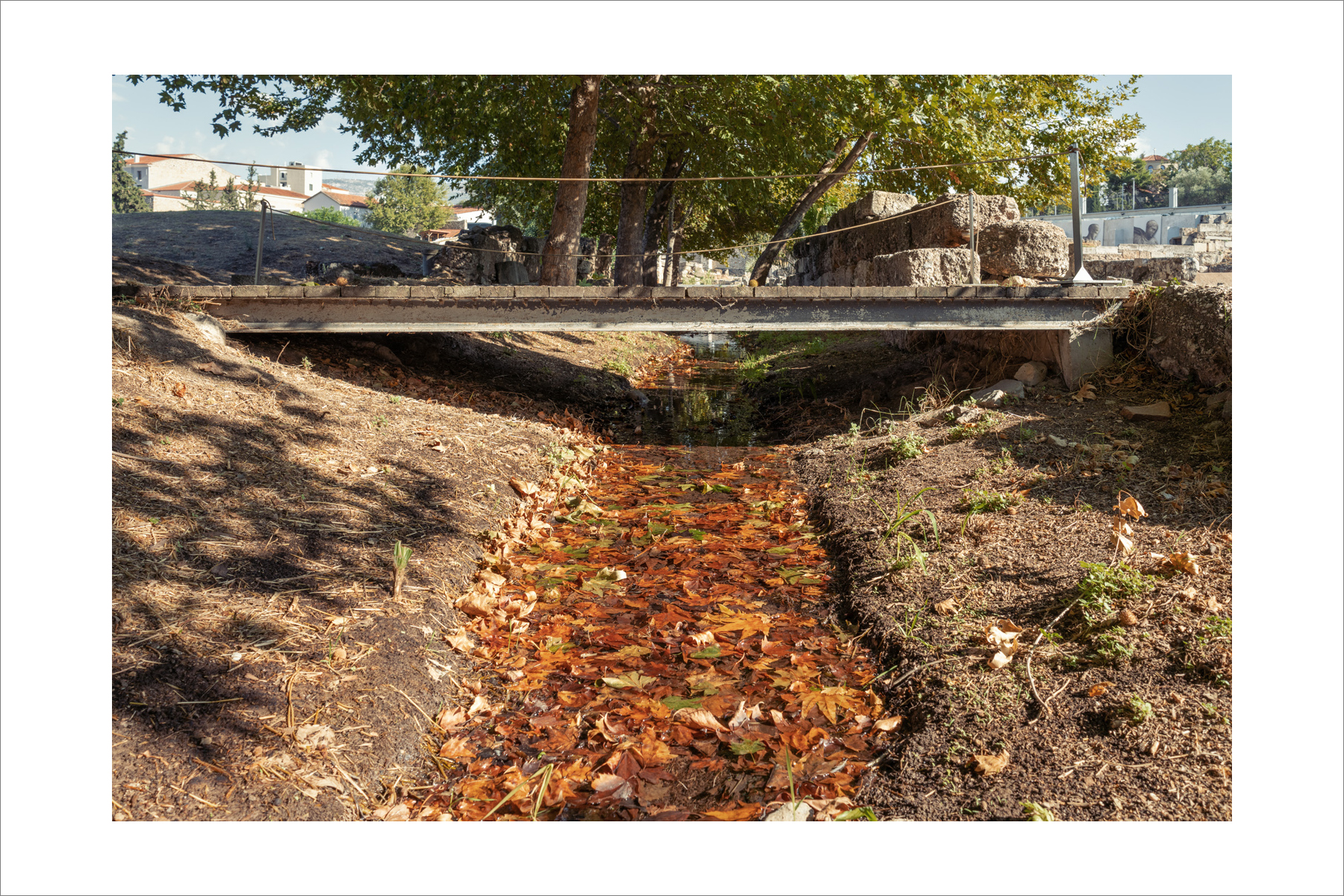
For centuries, the Eridanos, the small river that runs through the site,
had disappeared beneath layers of earth and debris reaching a depth
of eight to nine metres. It was rediscovered during excavations,
bringing a part of the ancient landscapeback to the surface.
Here, the life of the city, production, public ritual and death converge.
The Dipylon was one of the most important gates of ancient Athens.
The great processions to the Acropolis and Eleusis passed through it.
Here, the city’s public space met the road of the dead.
Kerameikos was never merely a cemetery.
It was a threshold.
Between the city and its way out.
Between the living and the dead.
Between memory and oblivion.
___________________
Marble as Memory
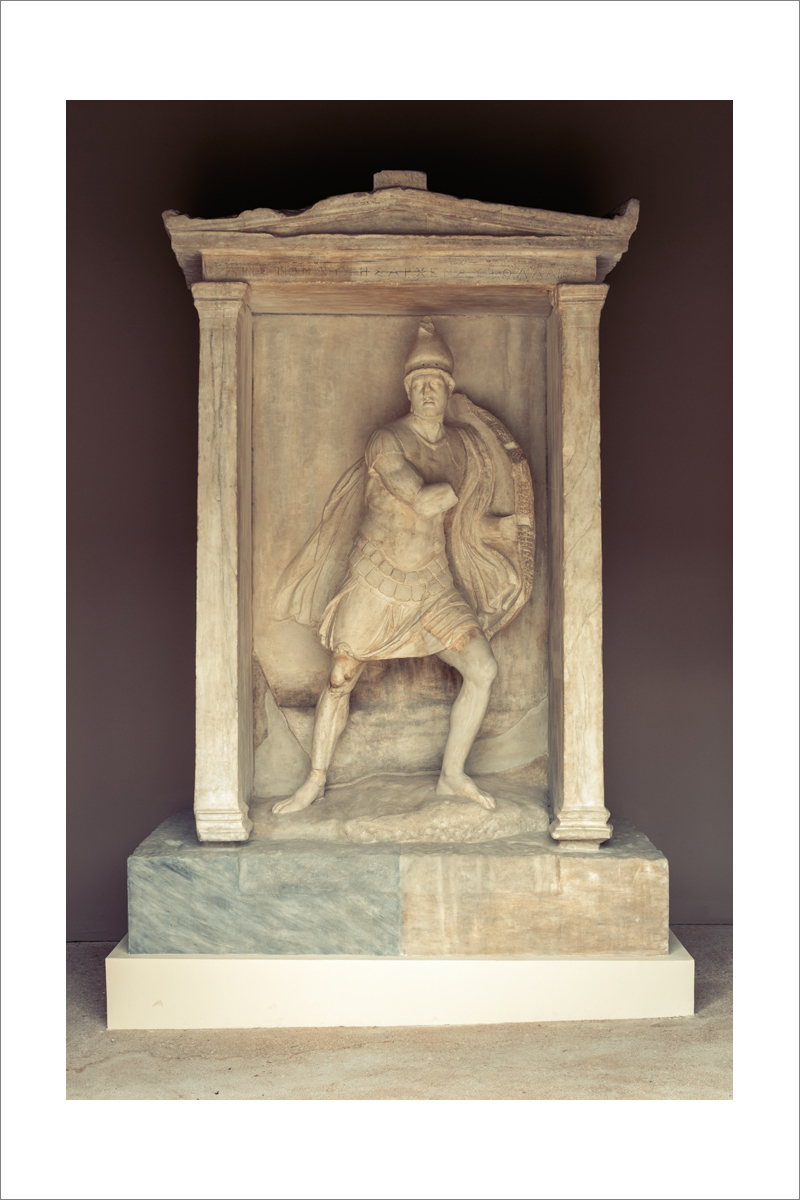
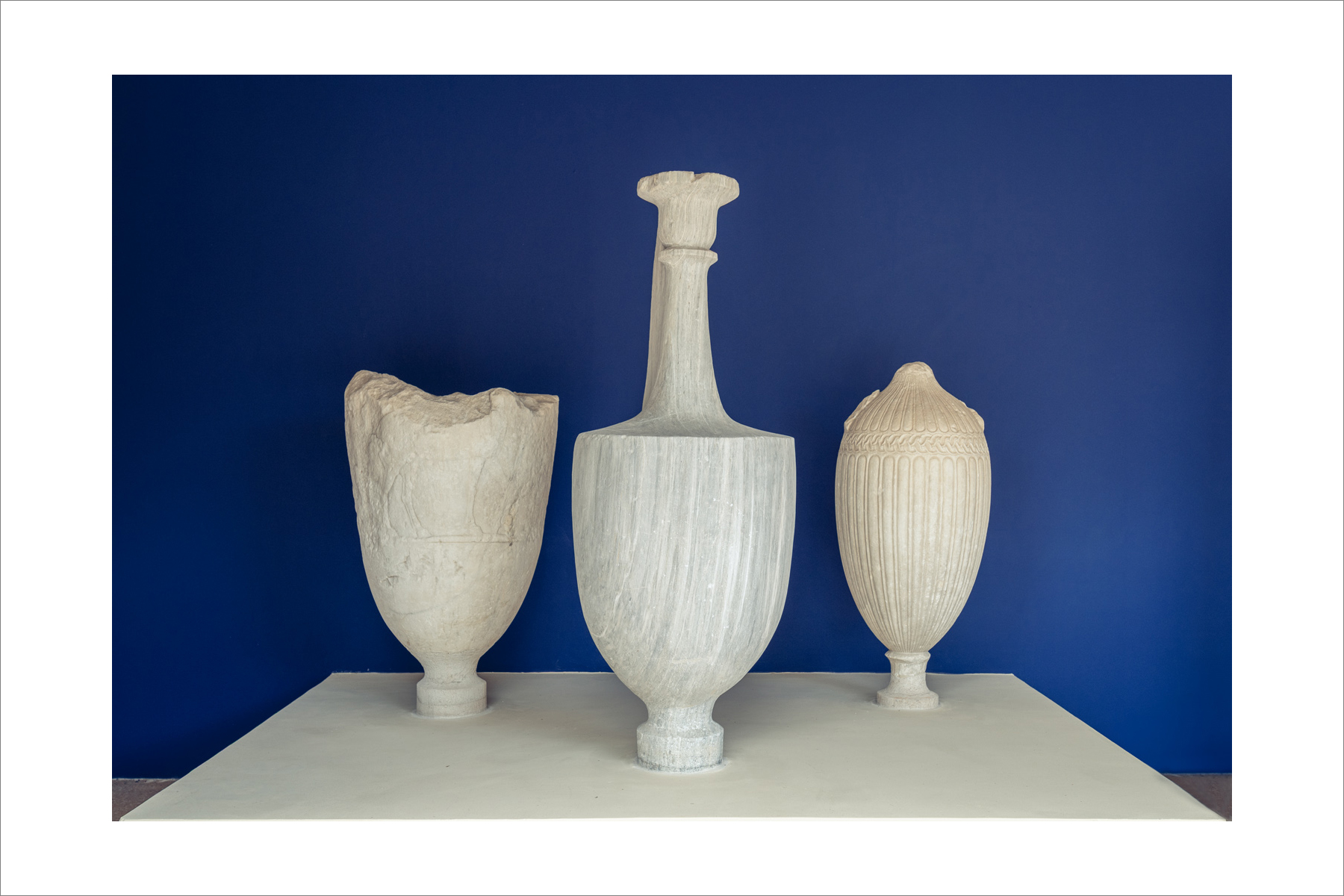
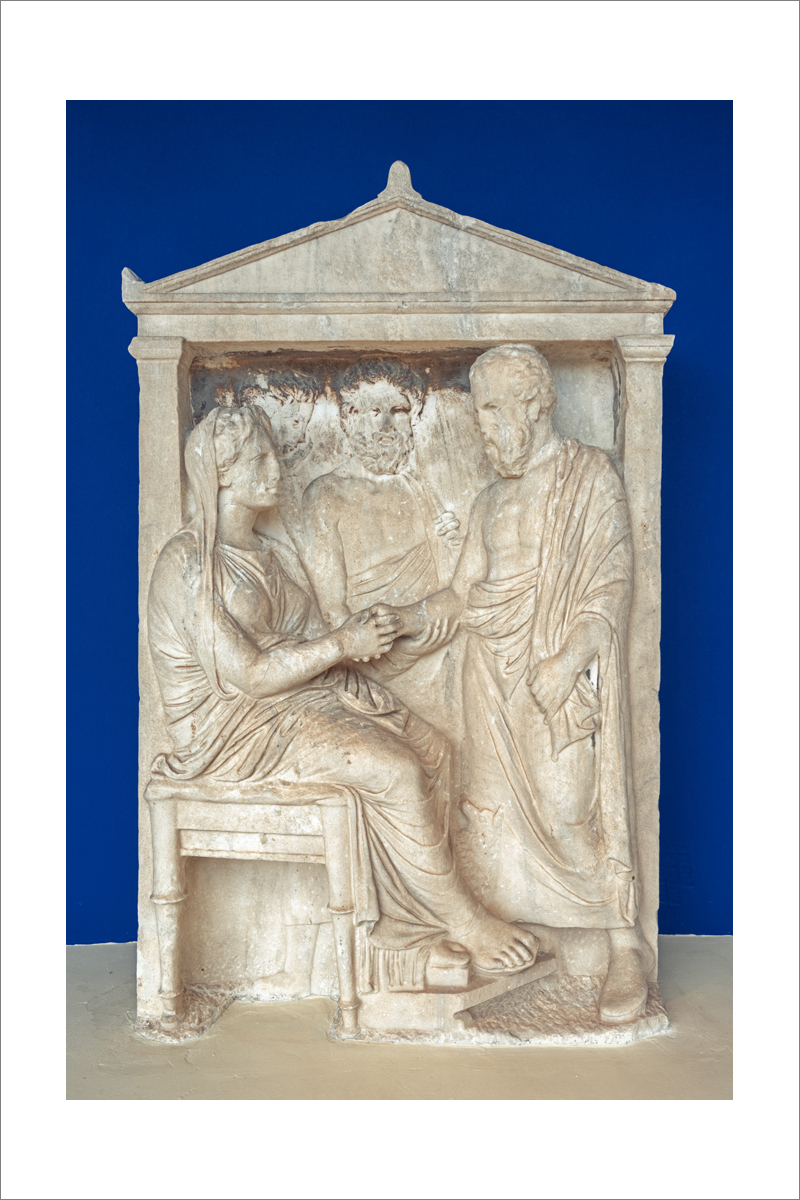
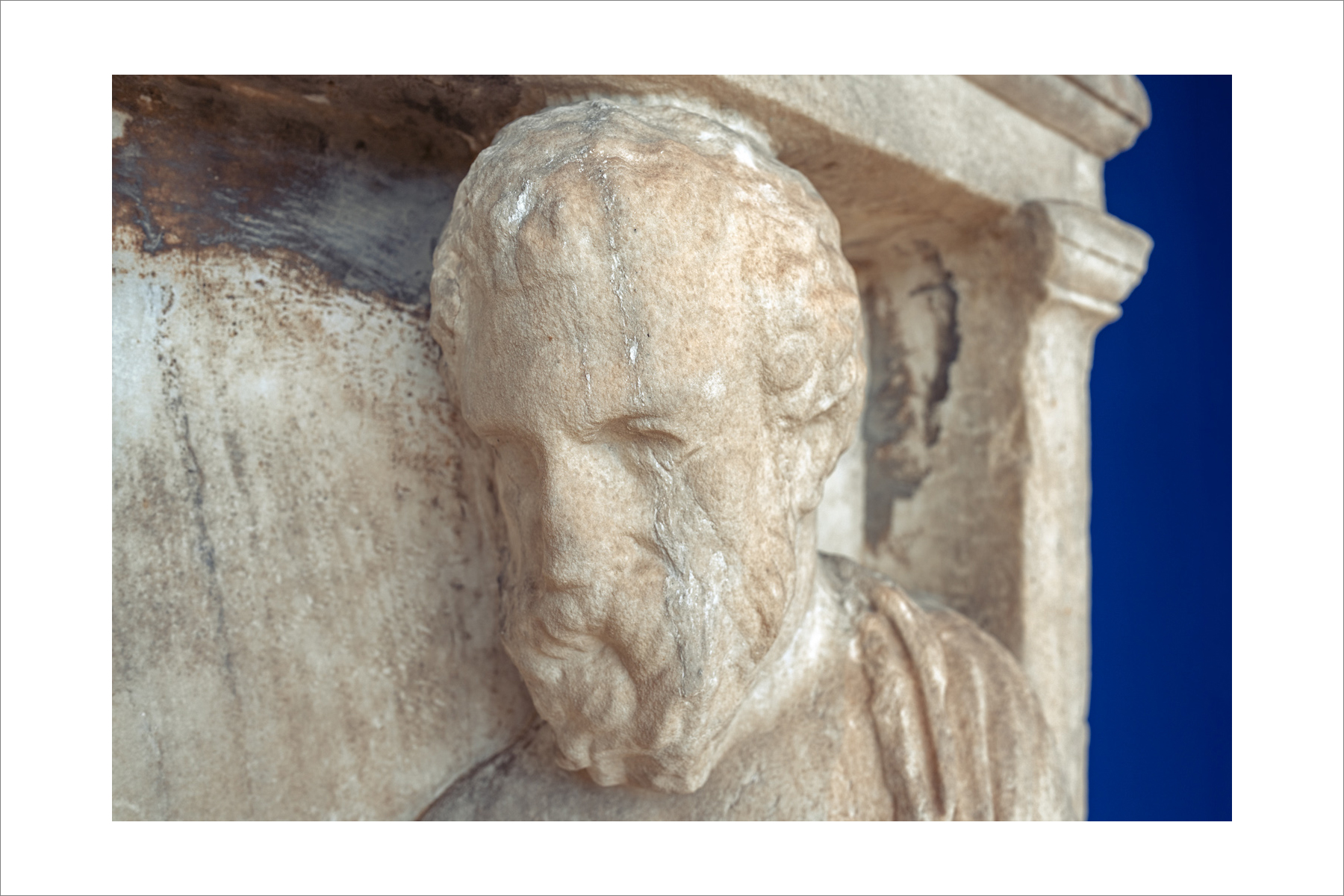
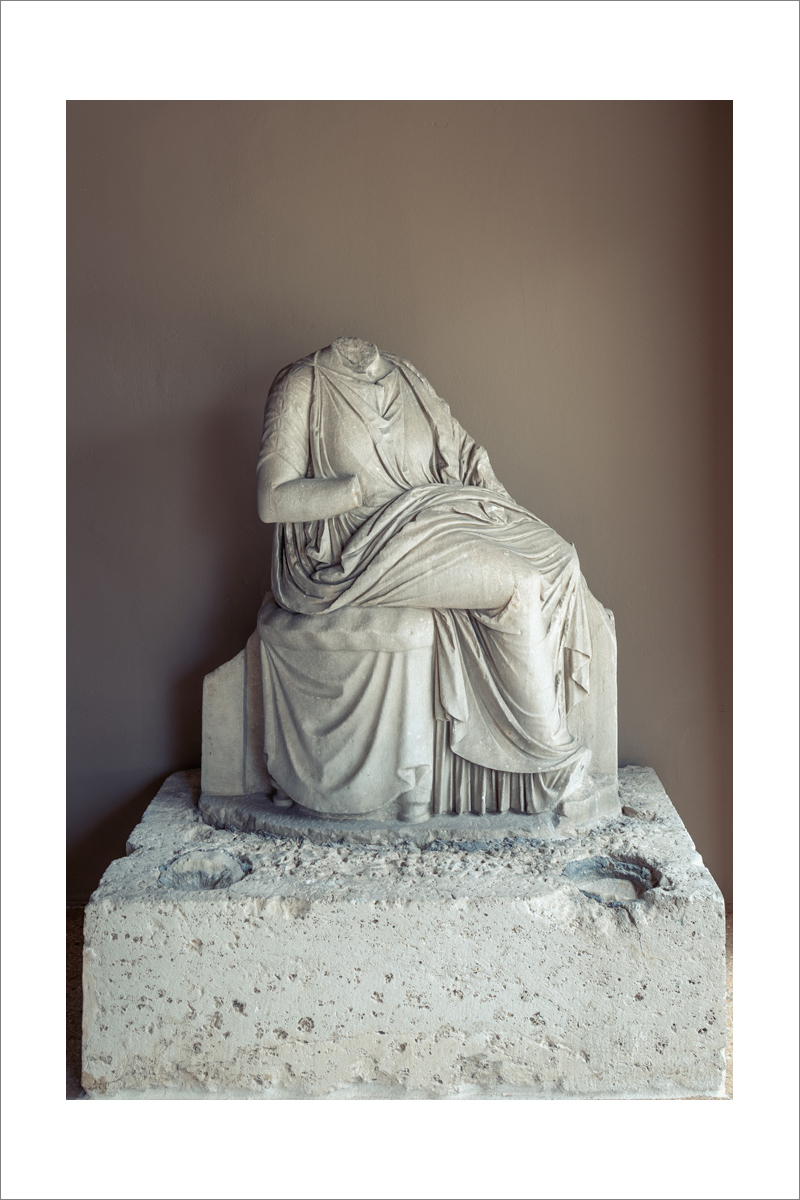
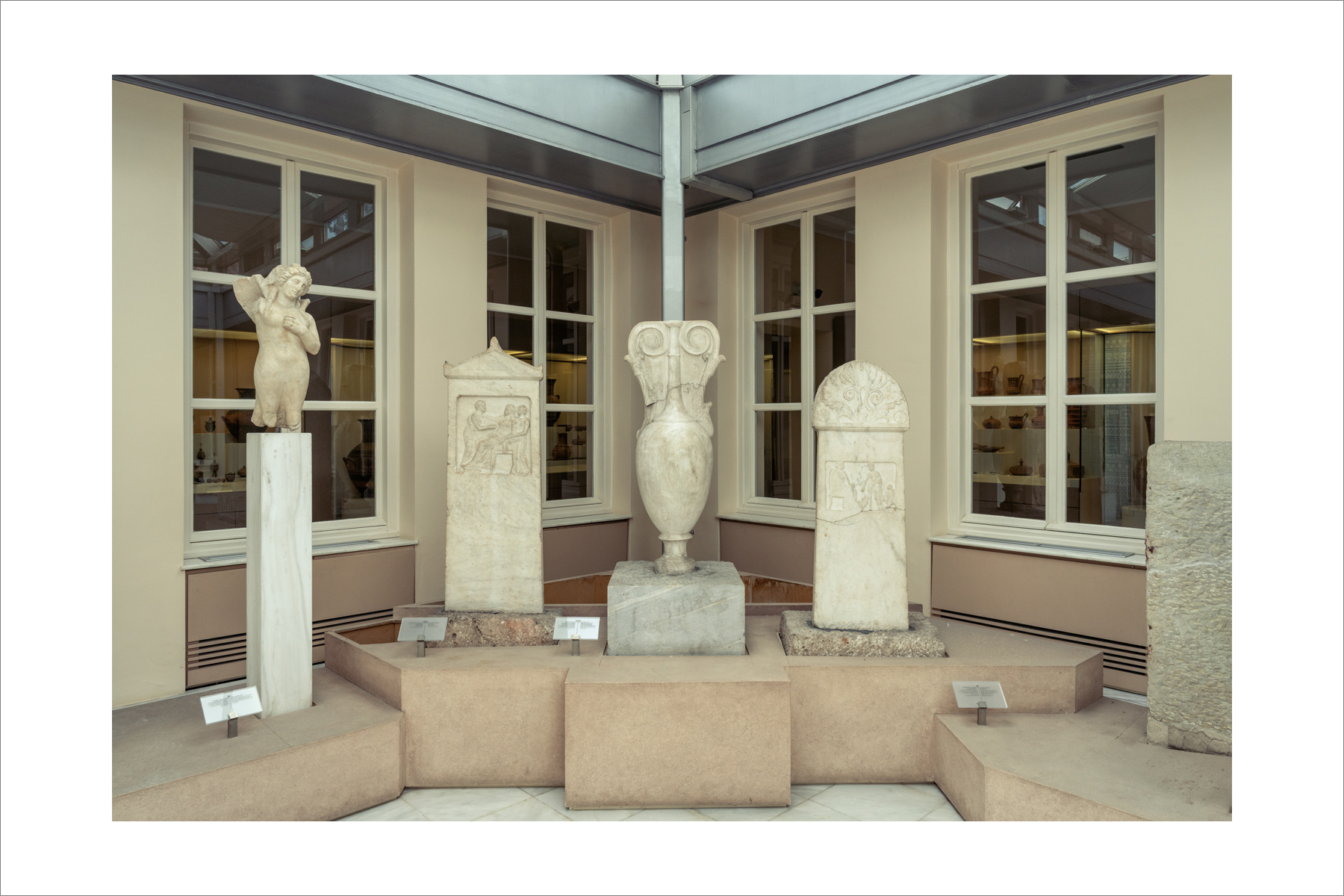
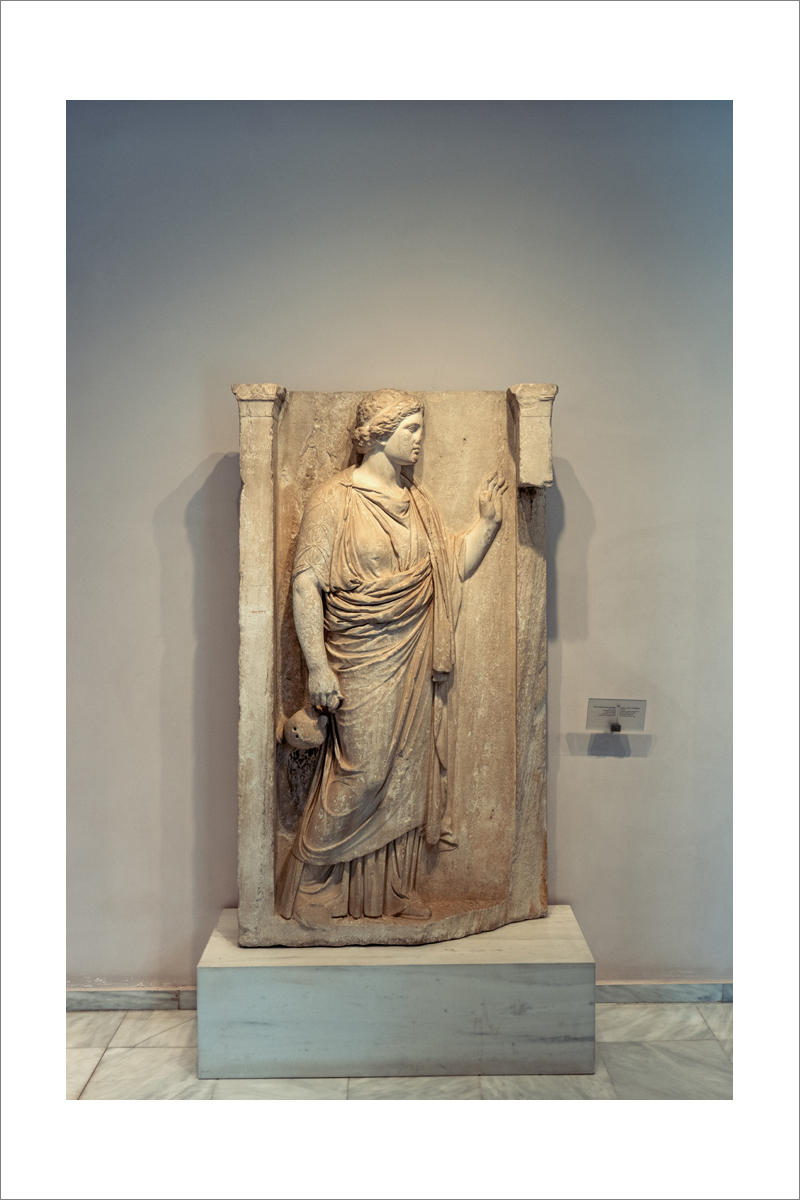
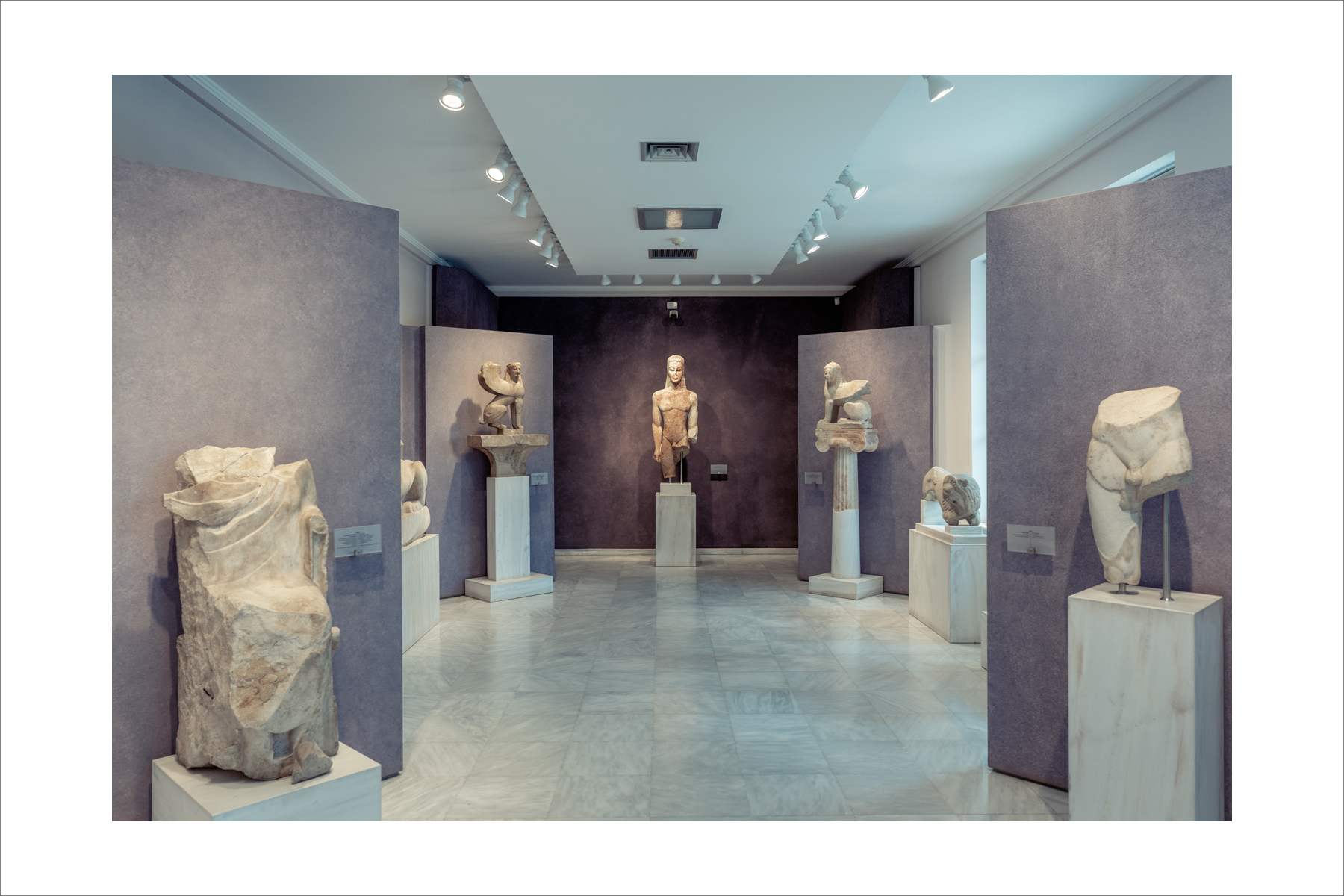
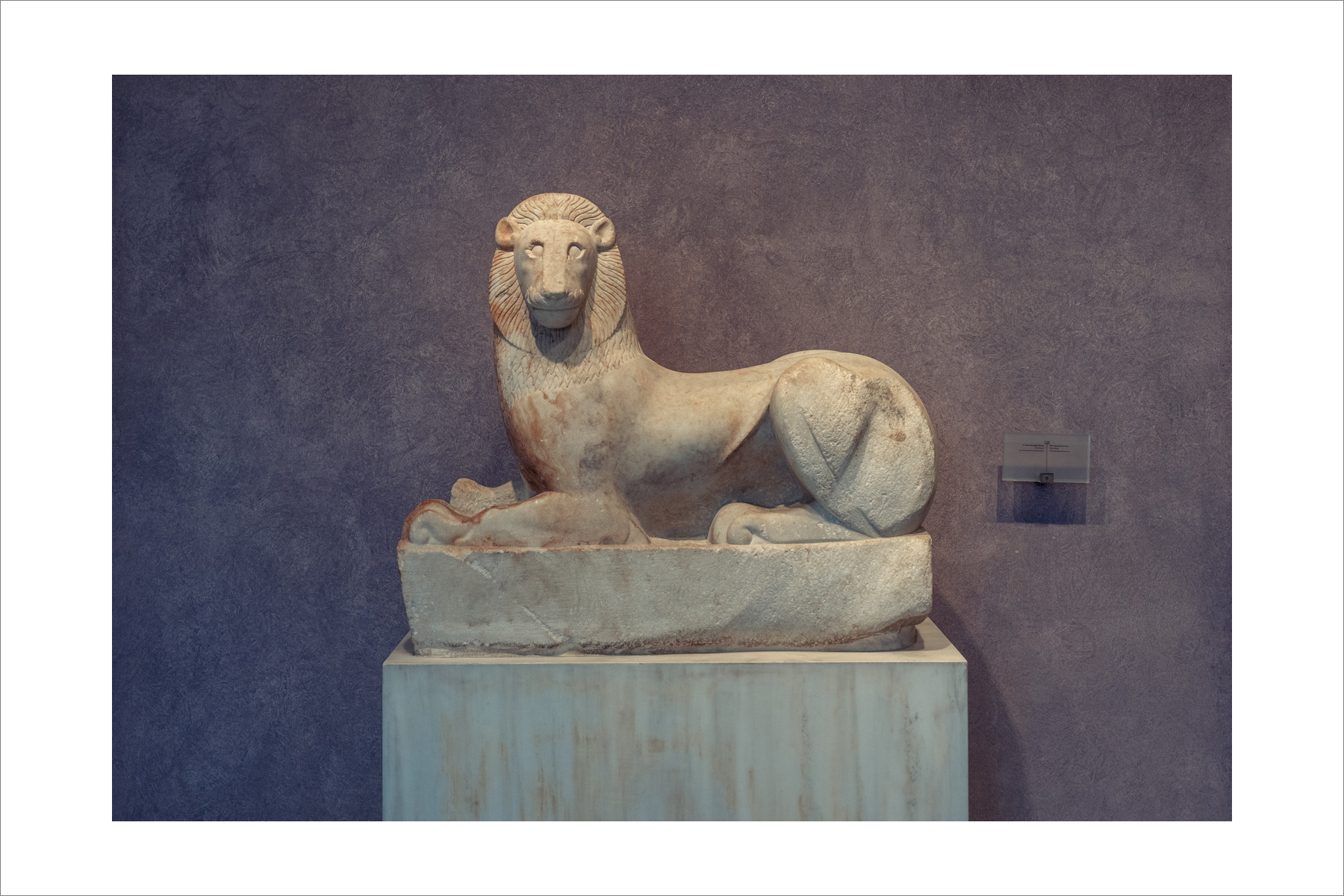
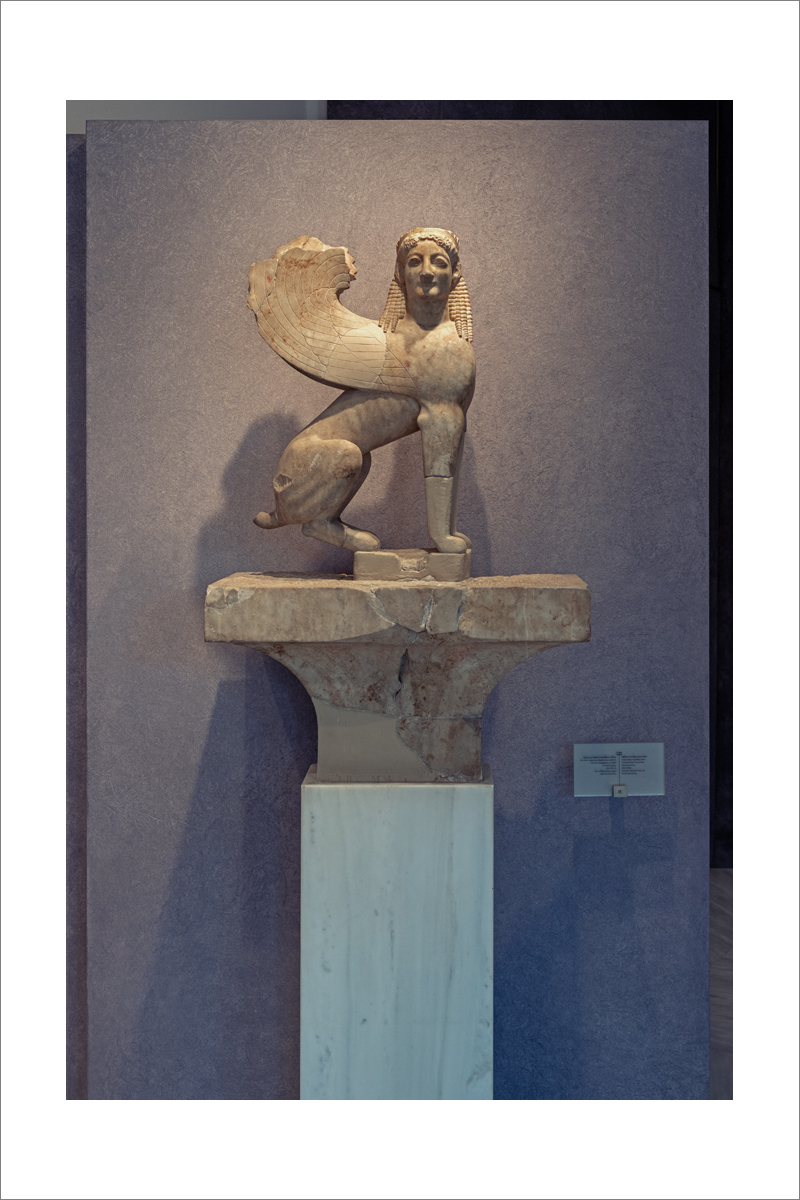
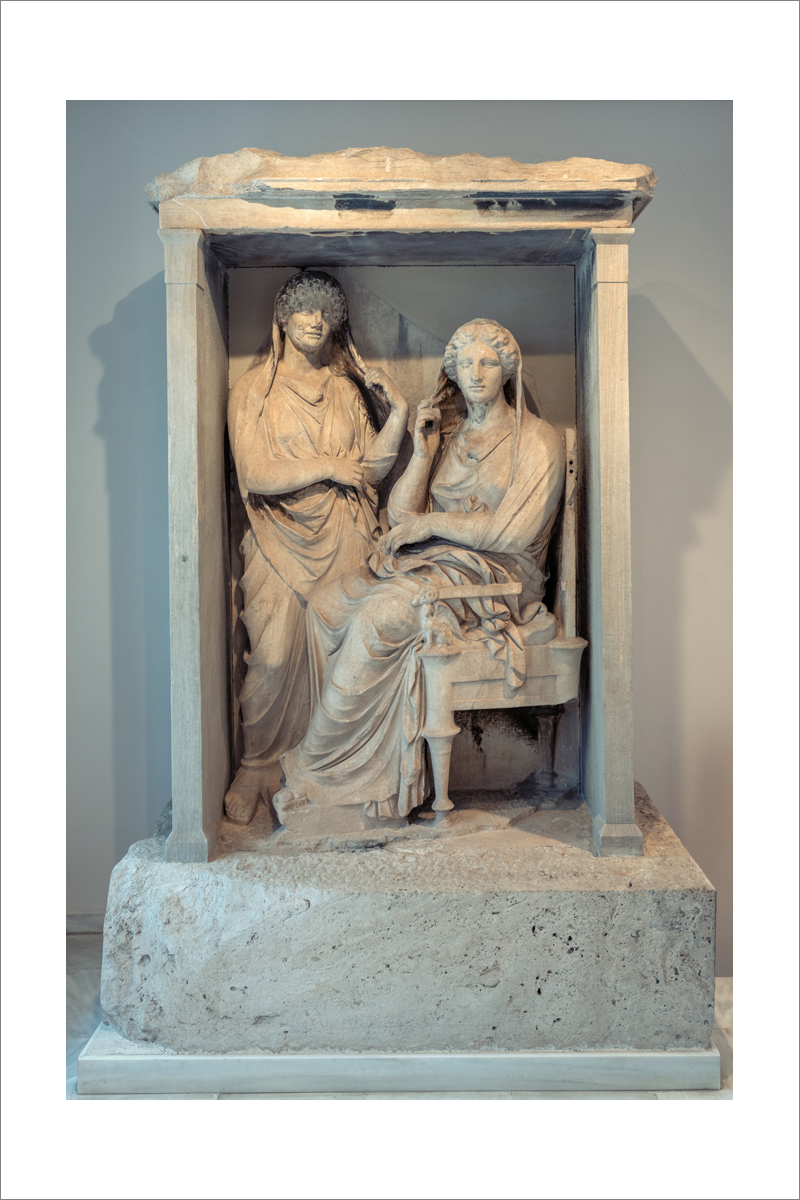
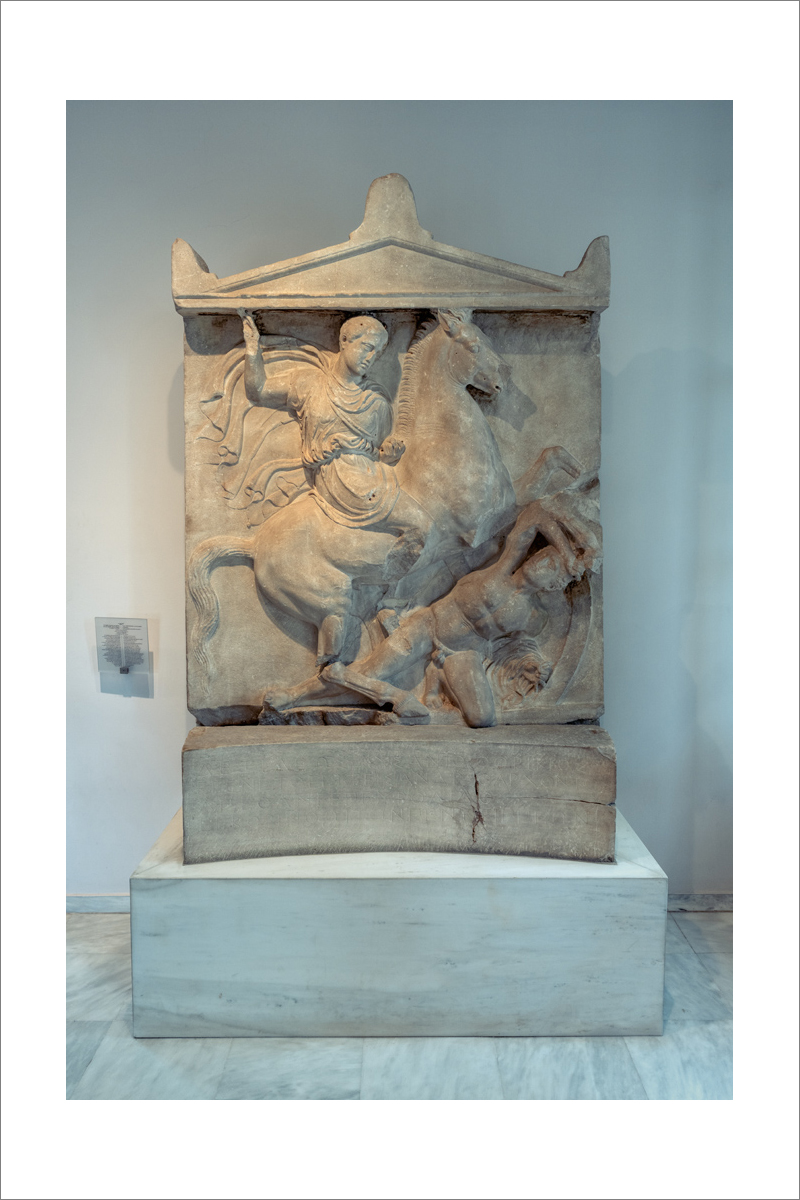
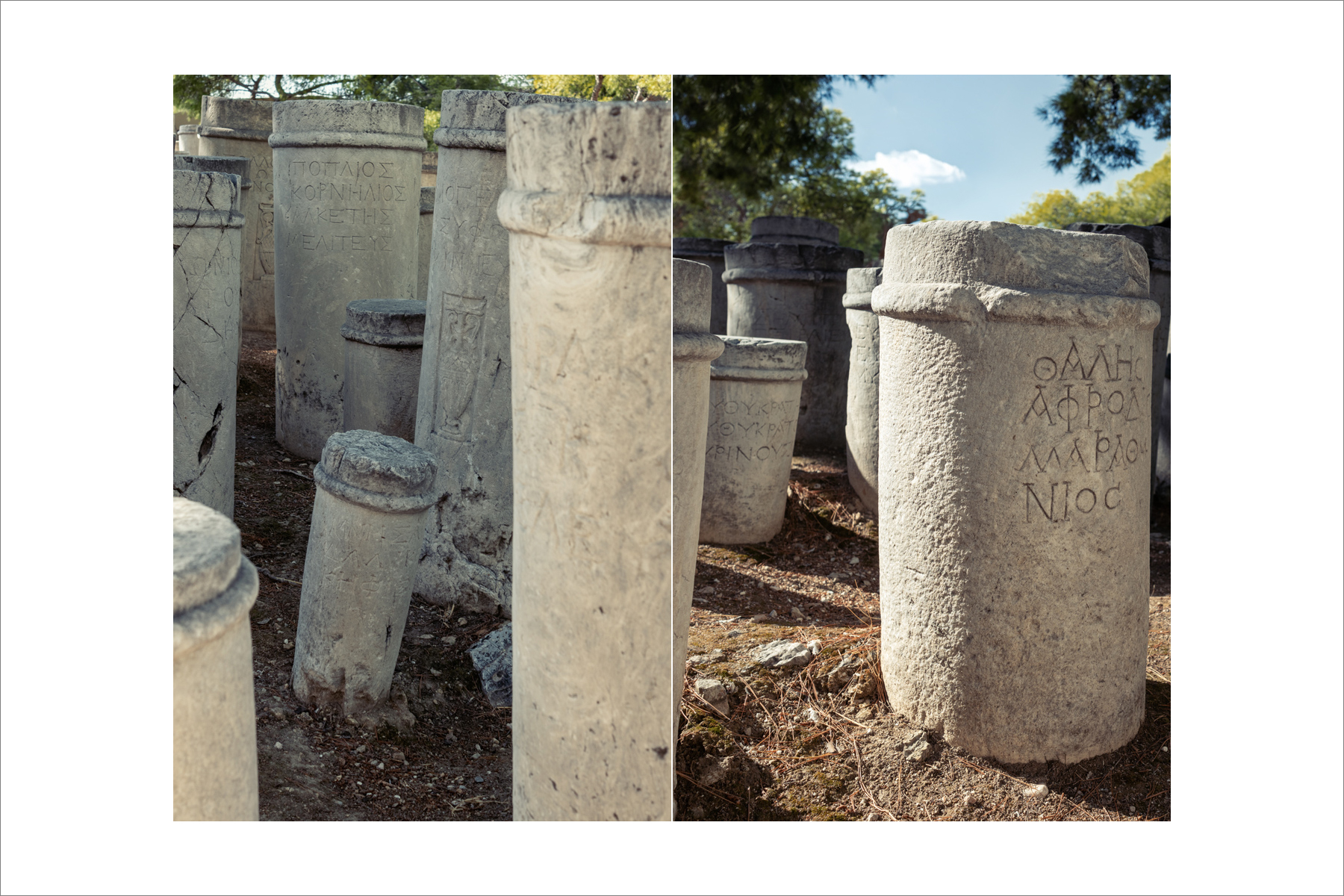
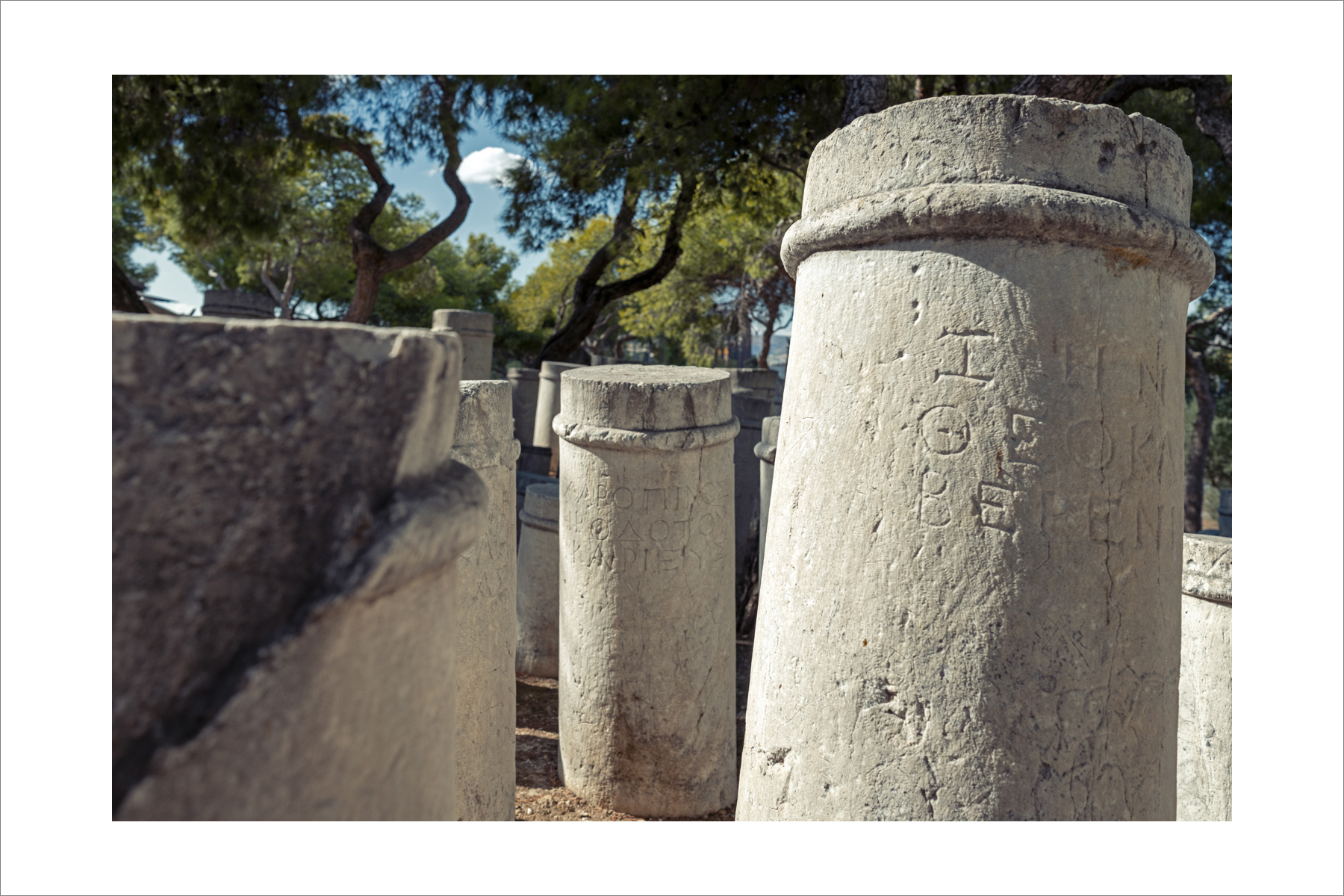
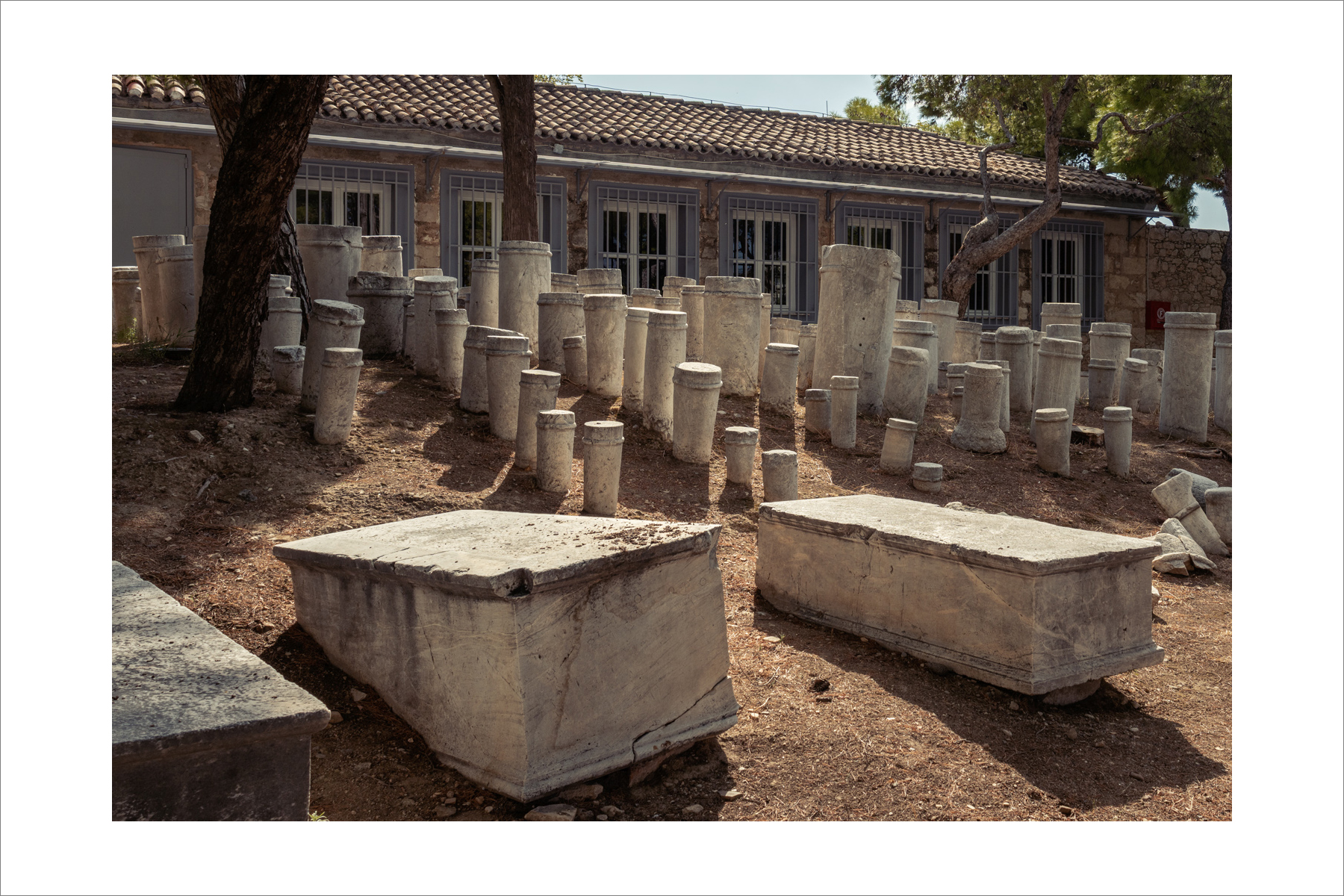
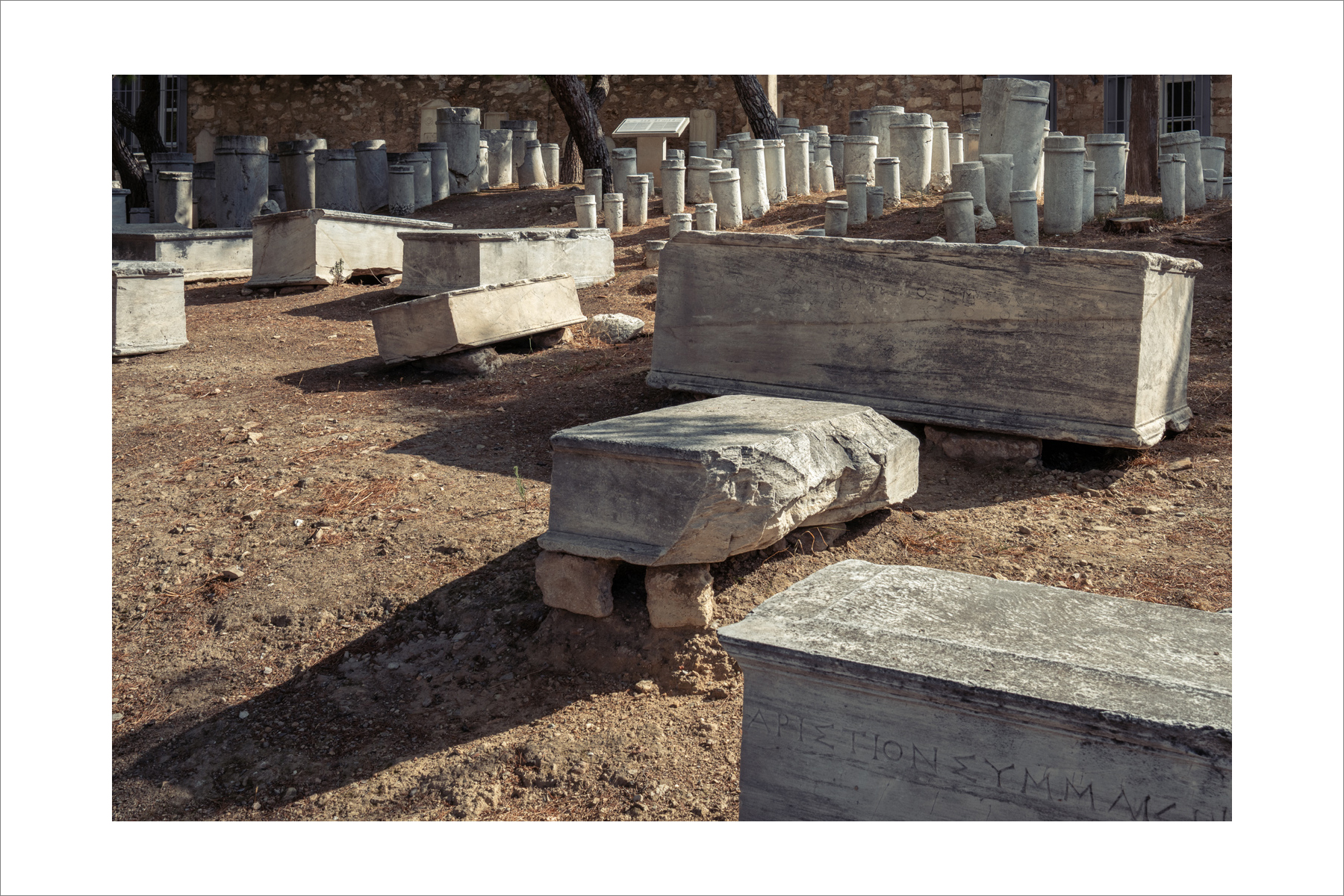
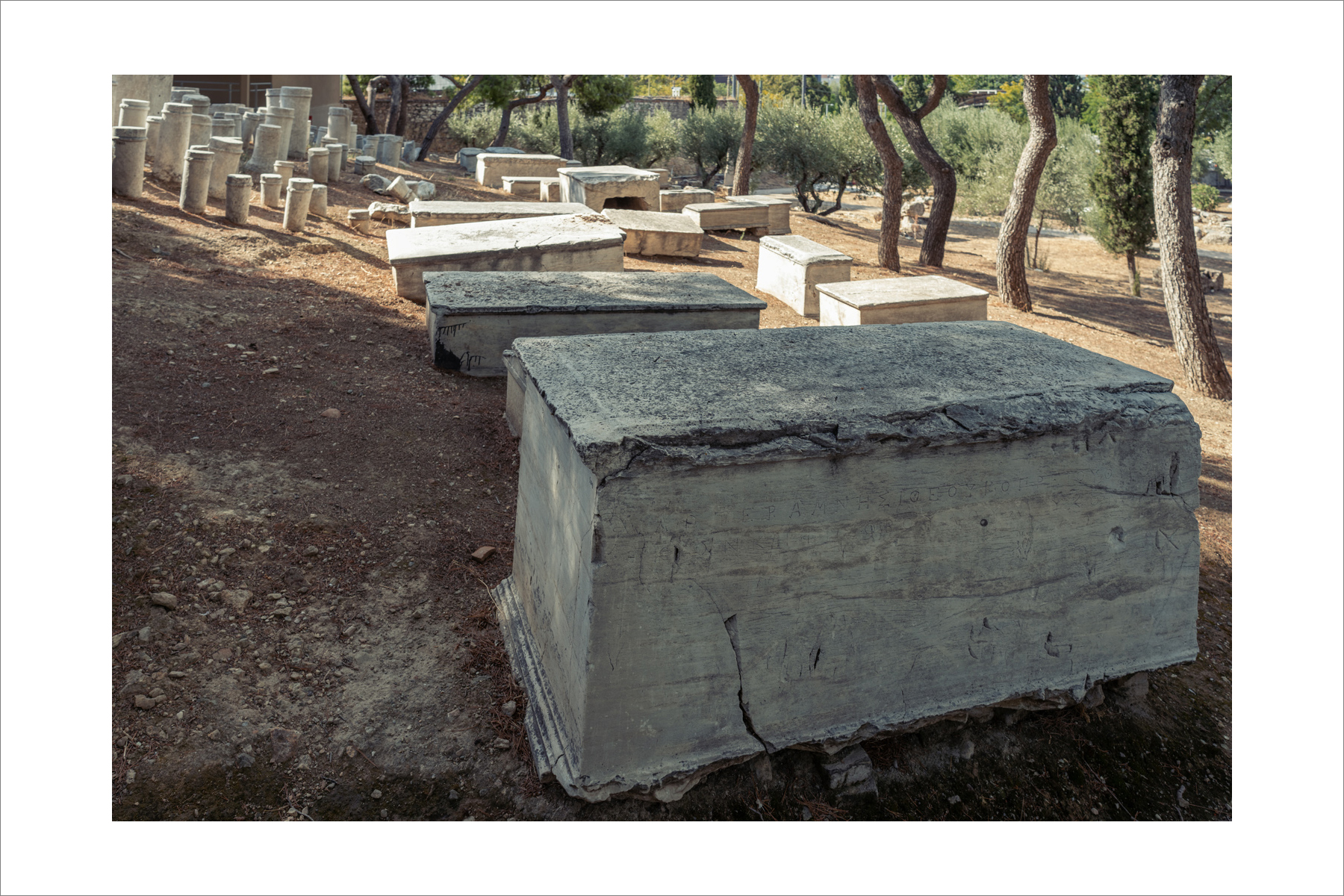
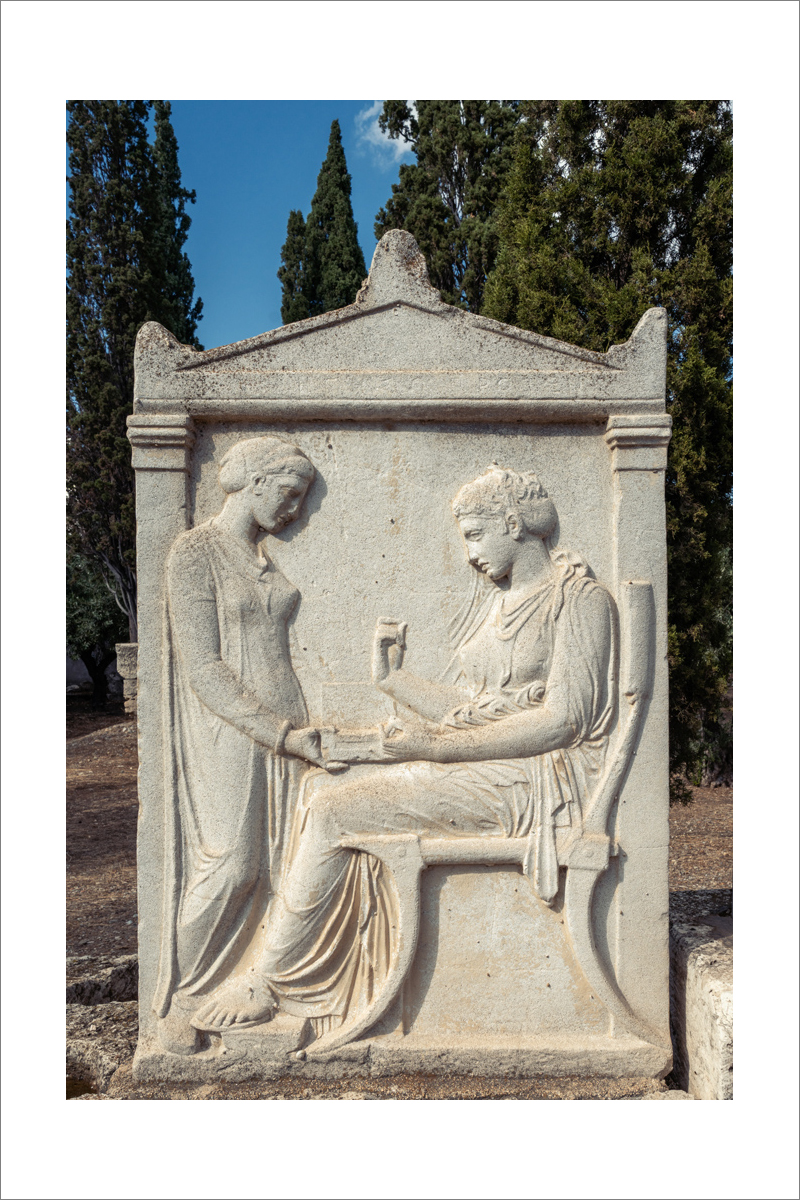
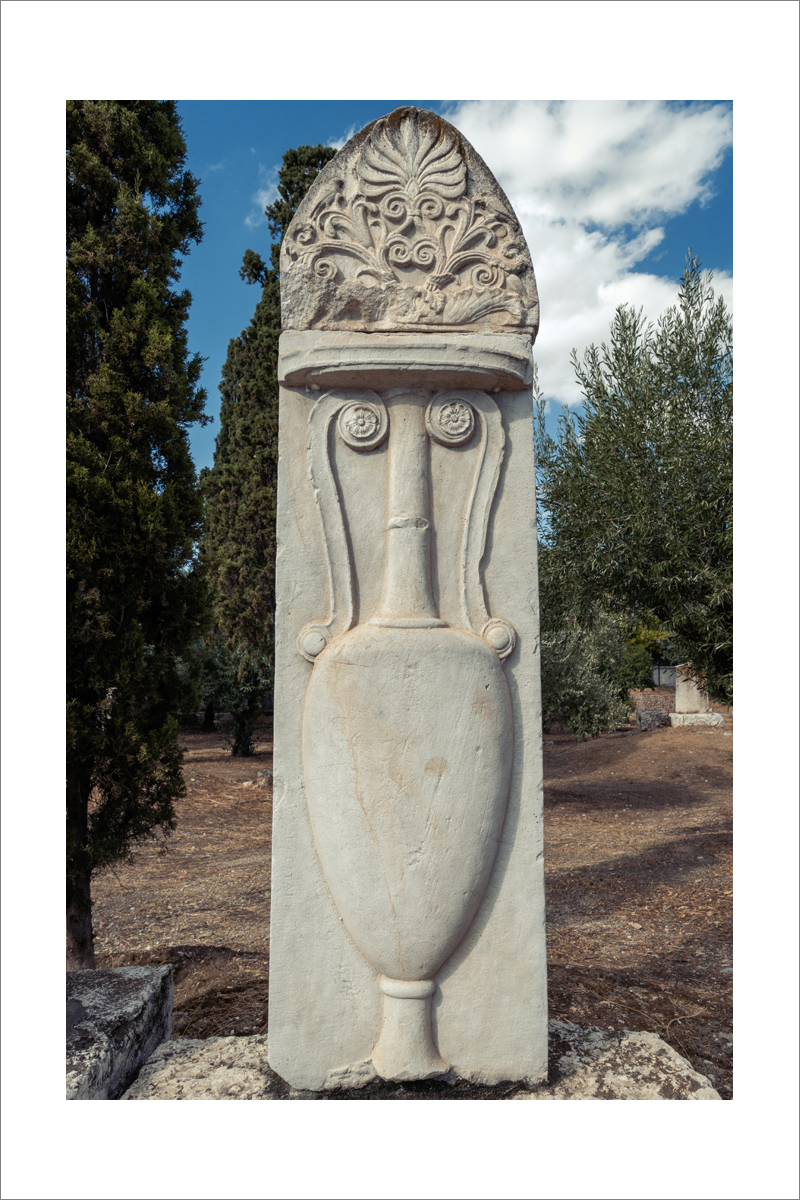
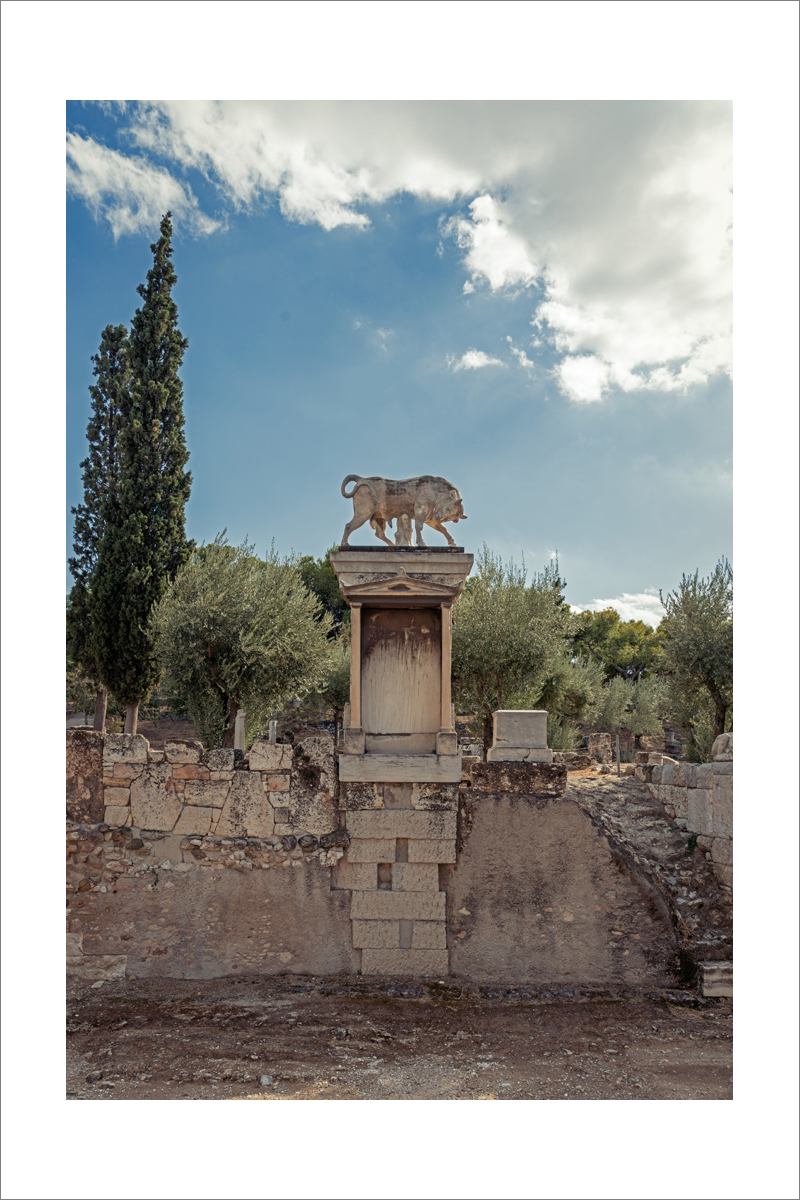
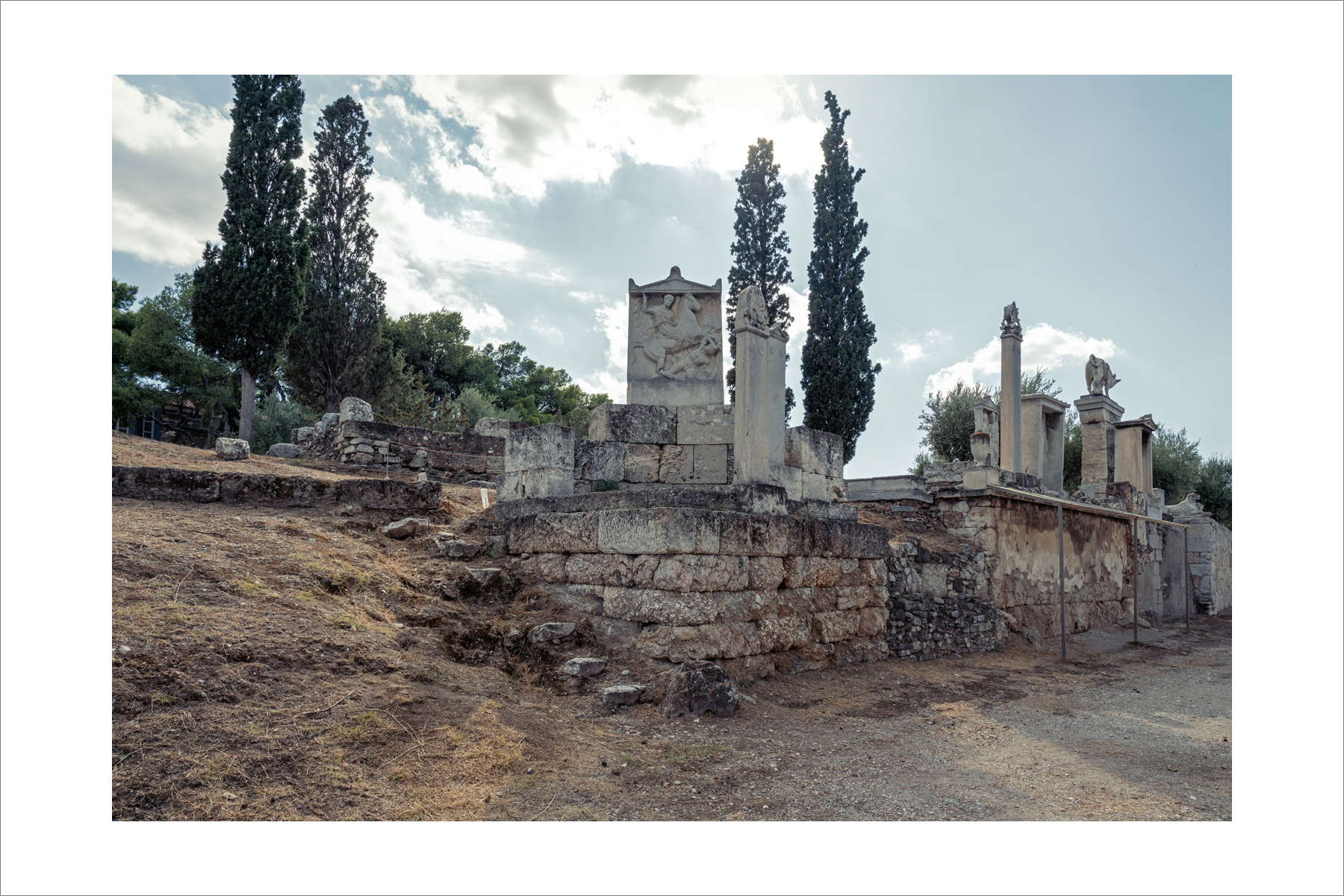
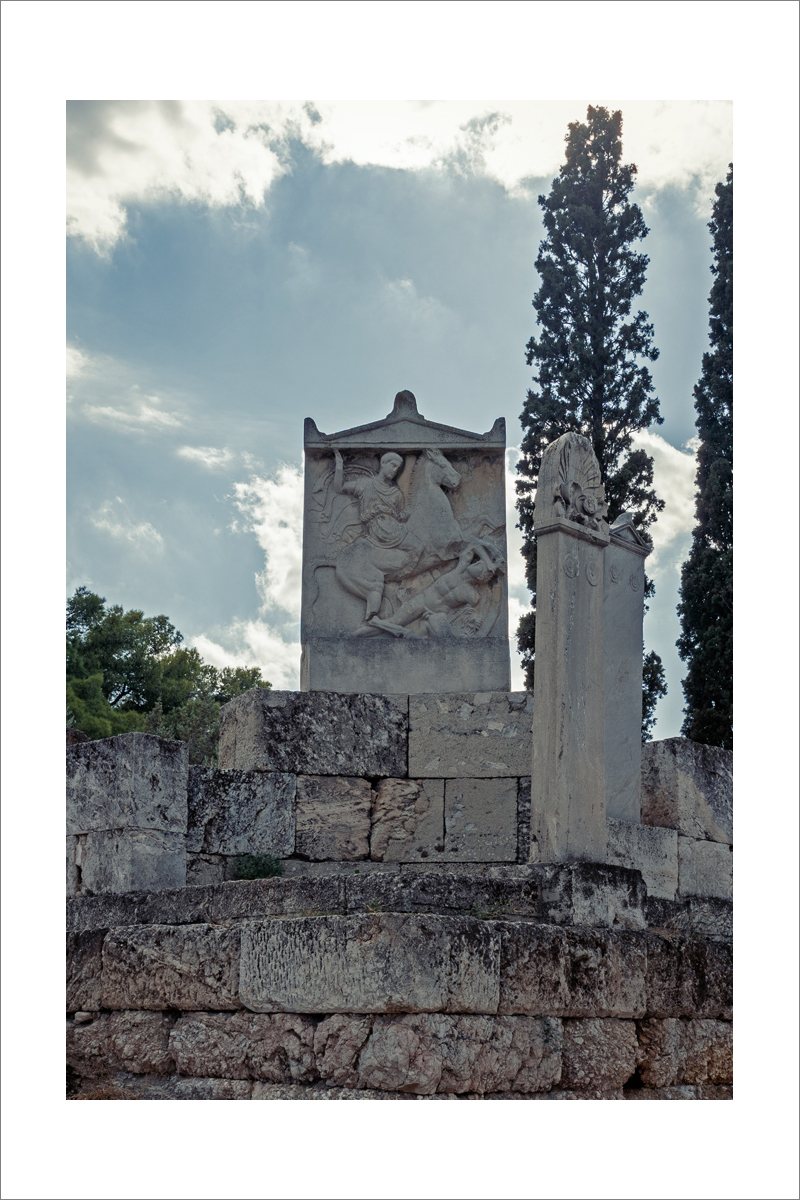
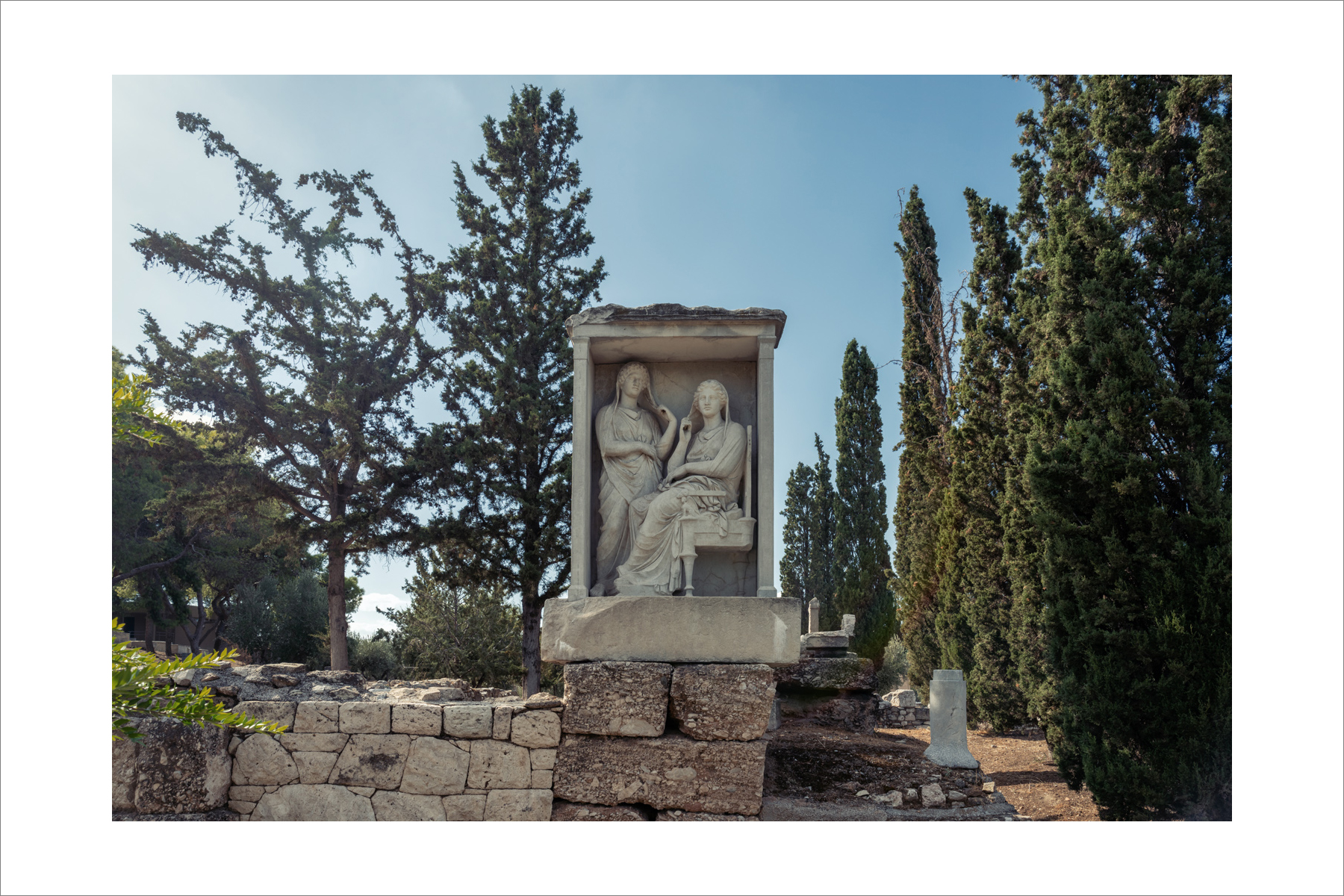
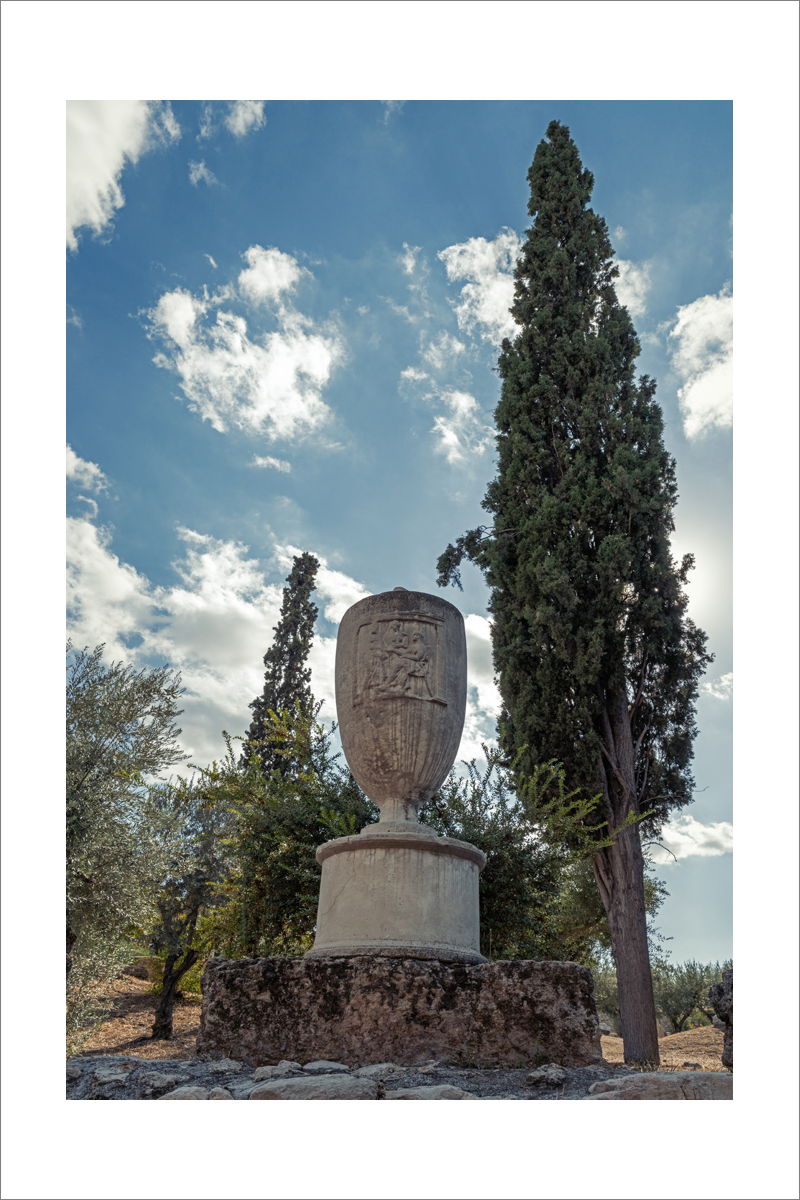
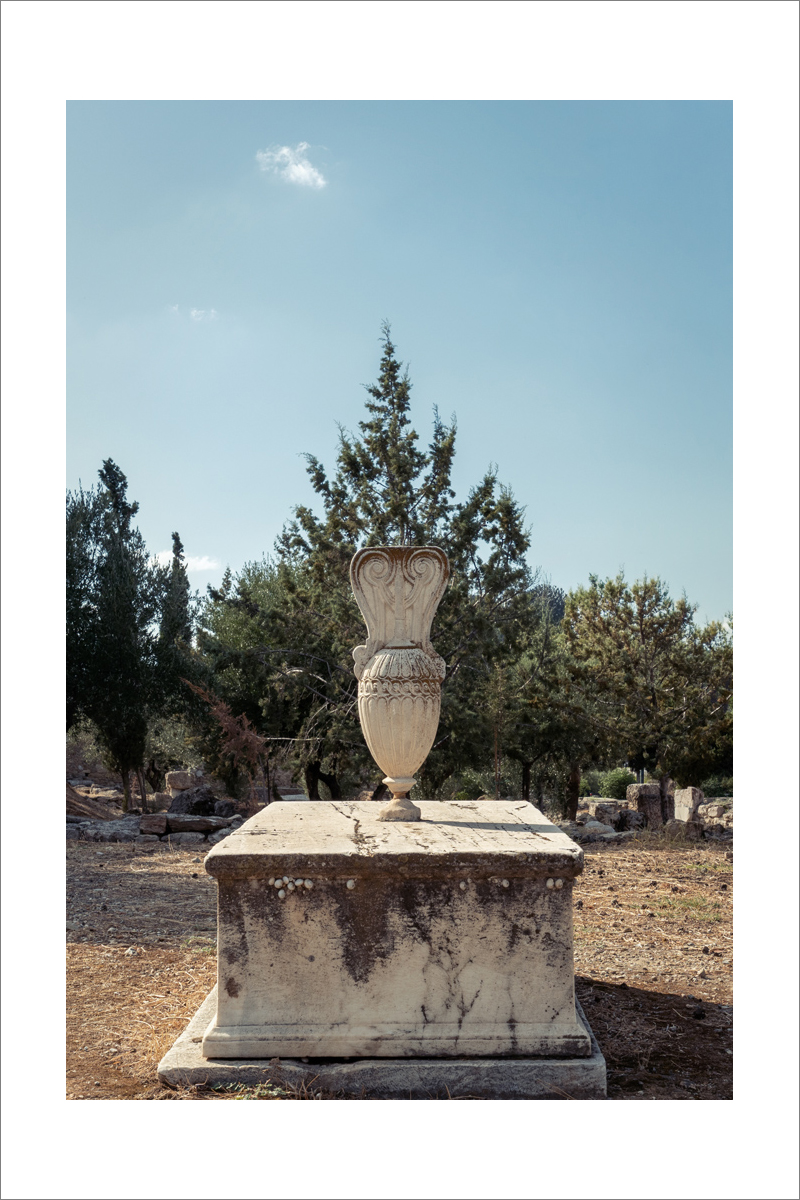
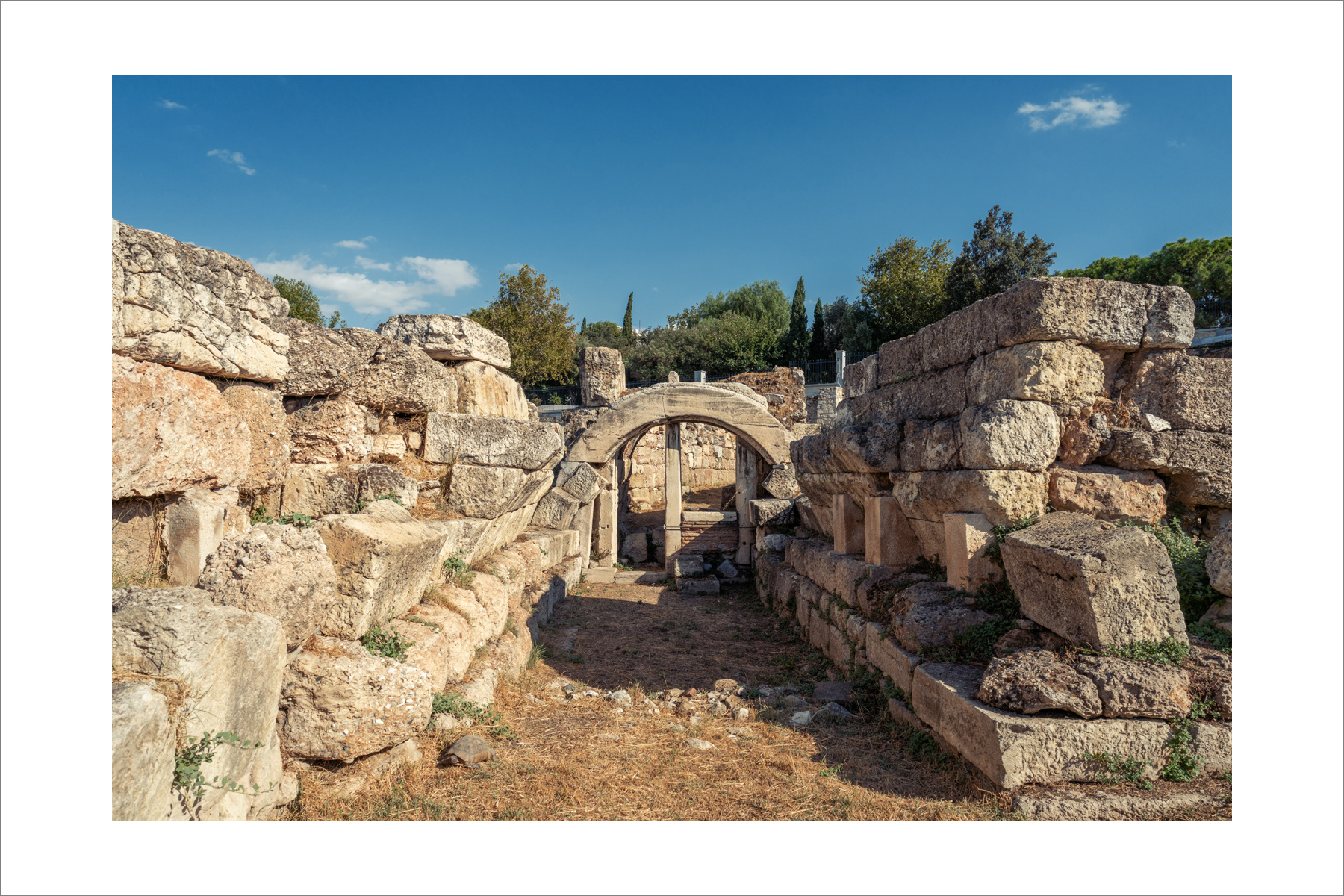
The tombs of Kerameikos preserve more than human remains.
They preserve forms.
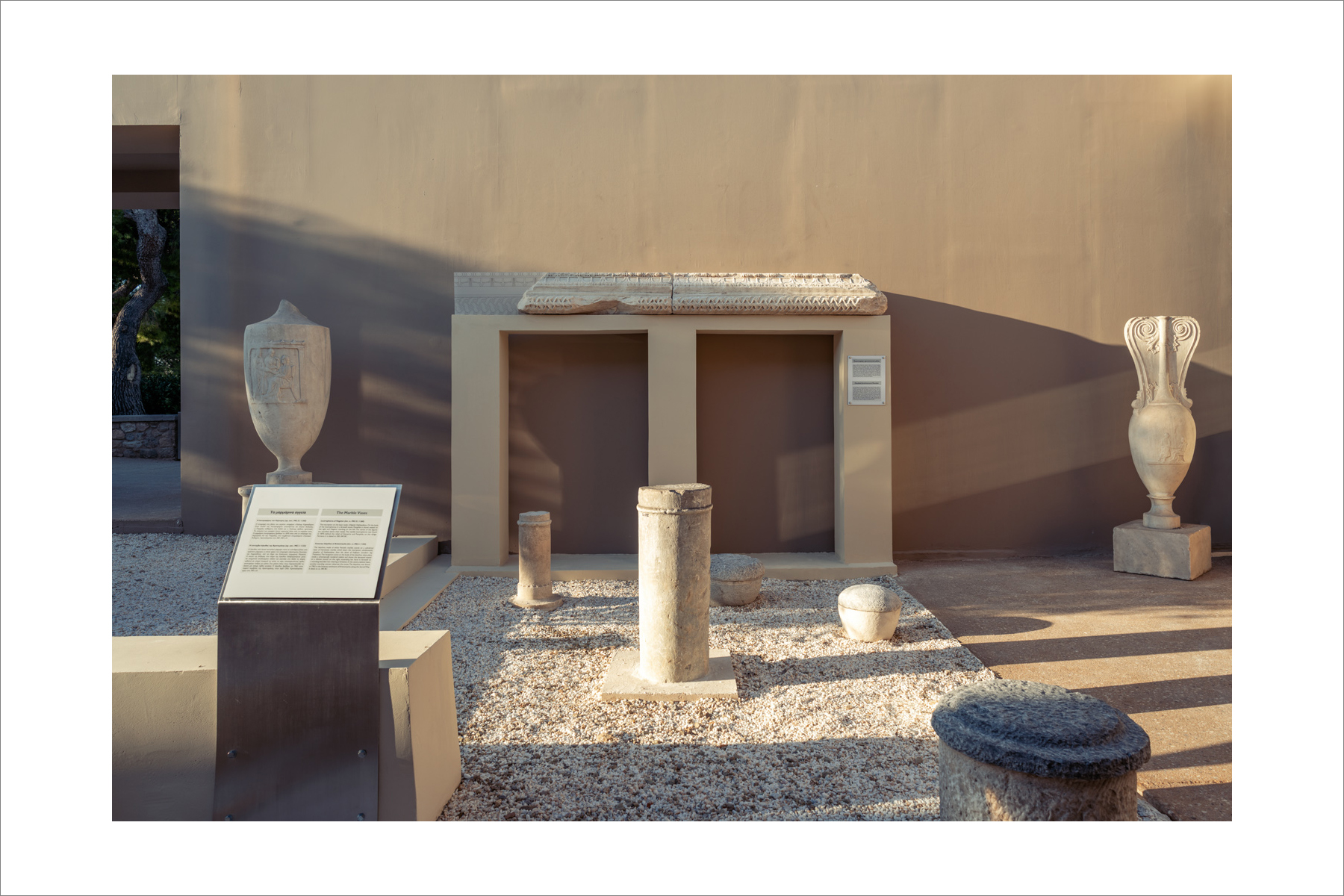
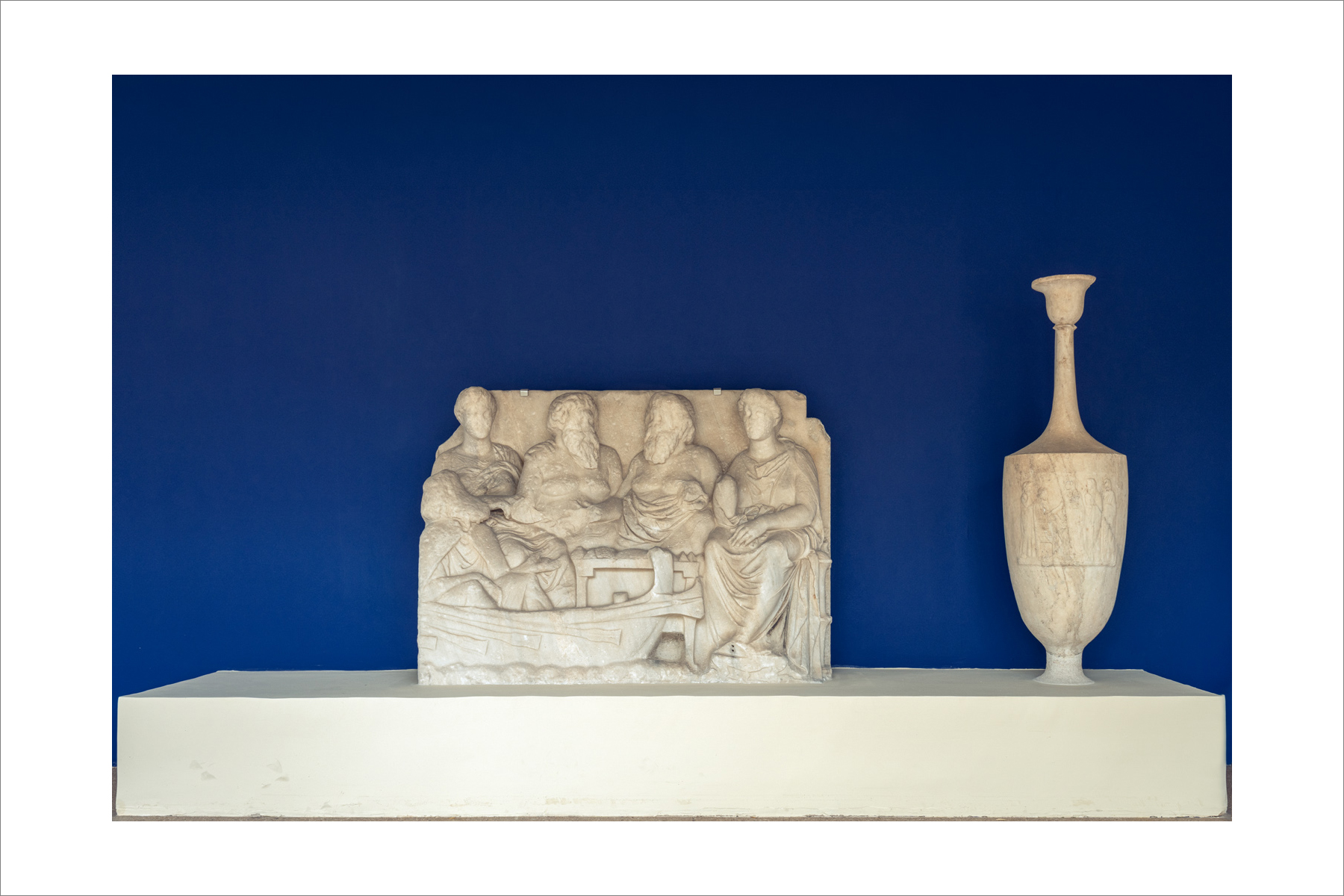
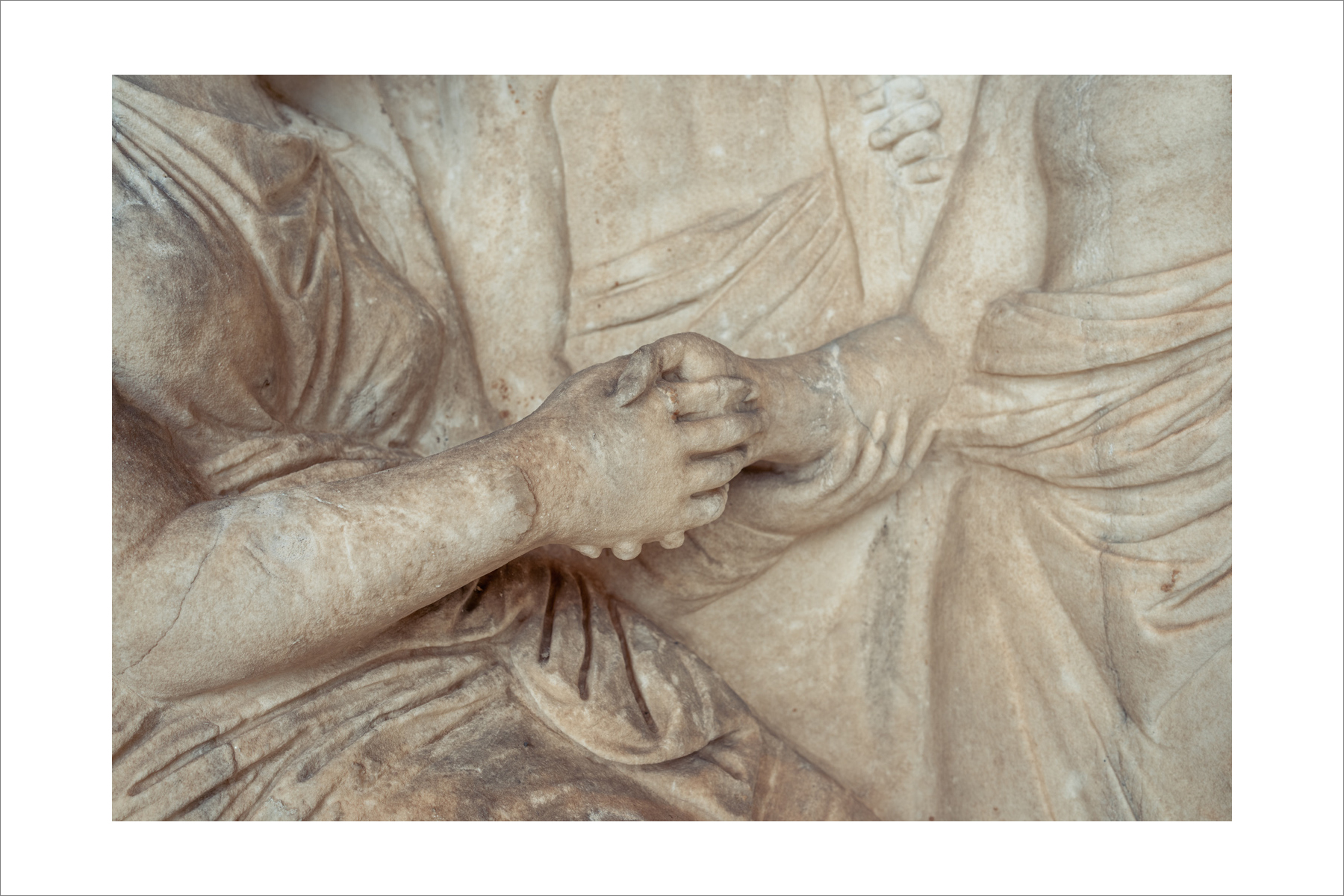
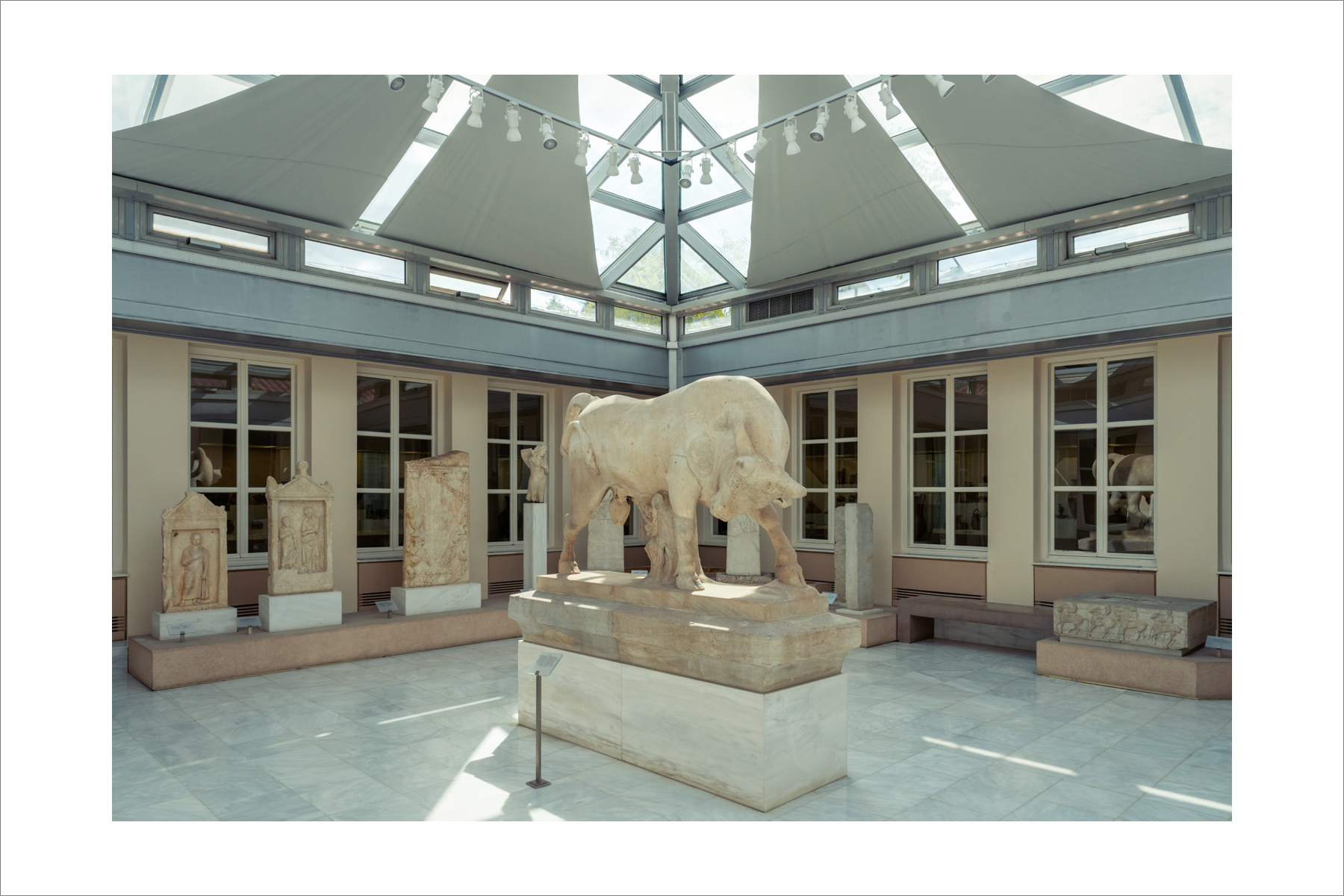
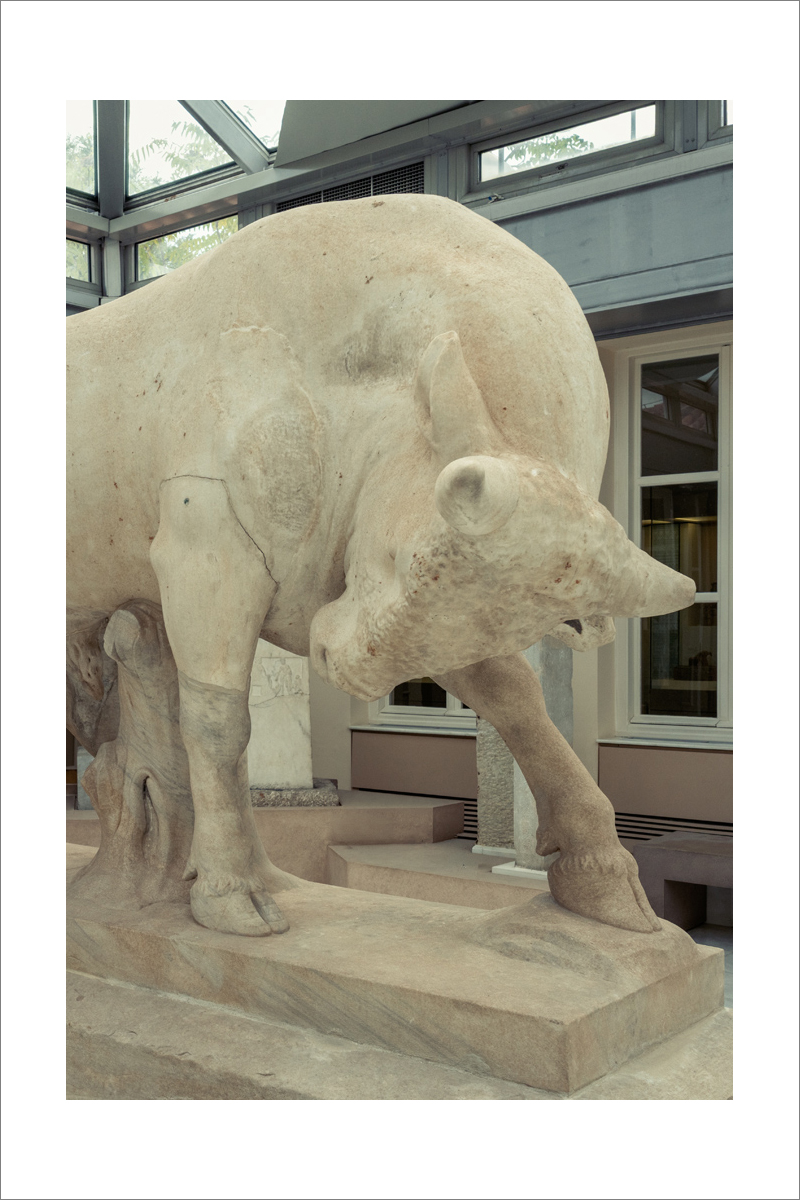
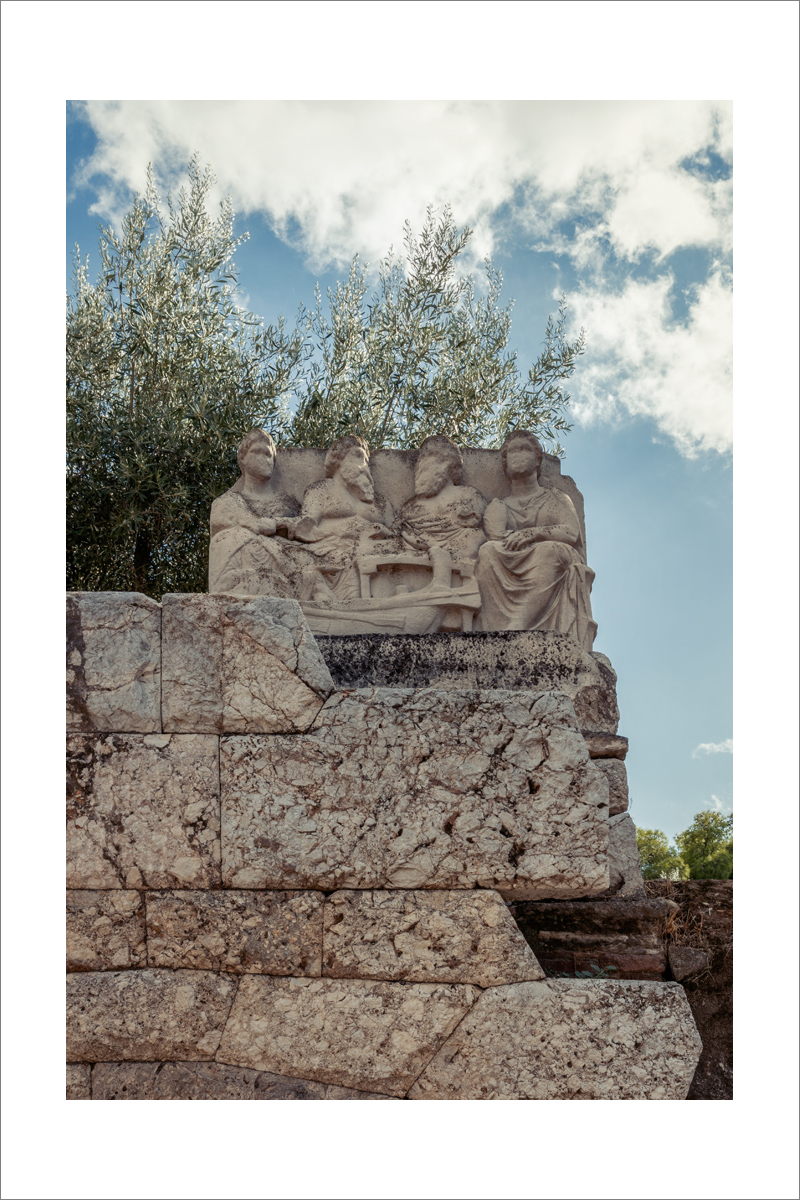
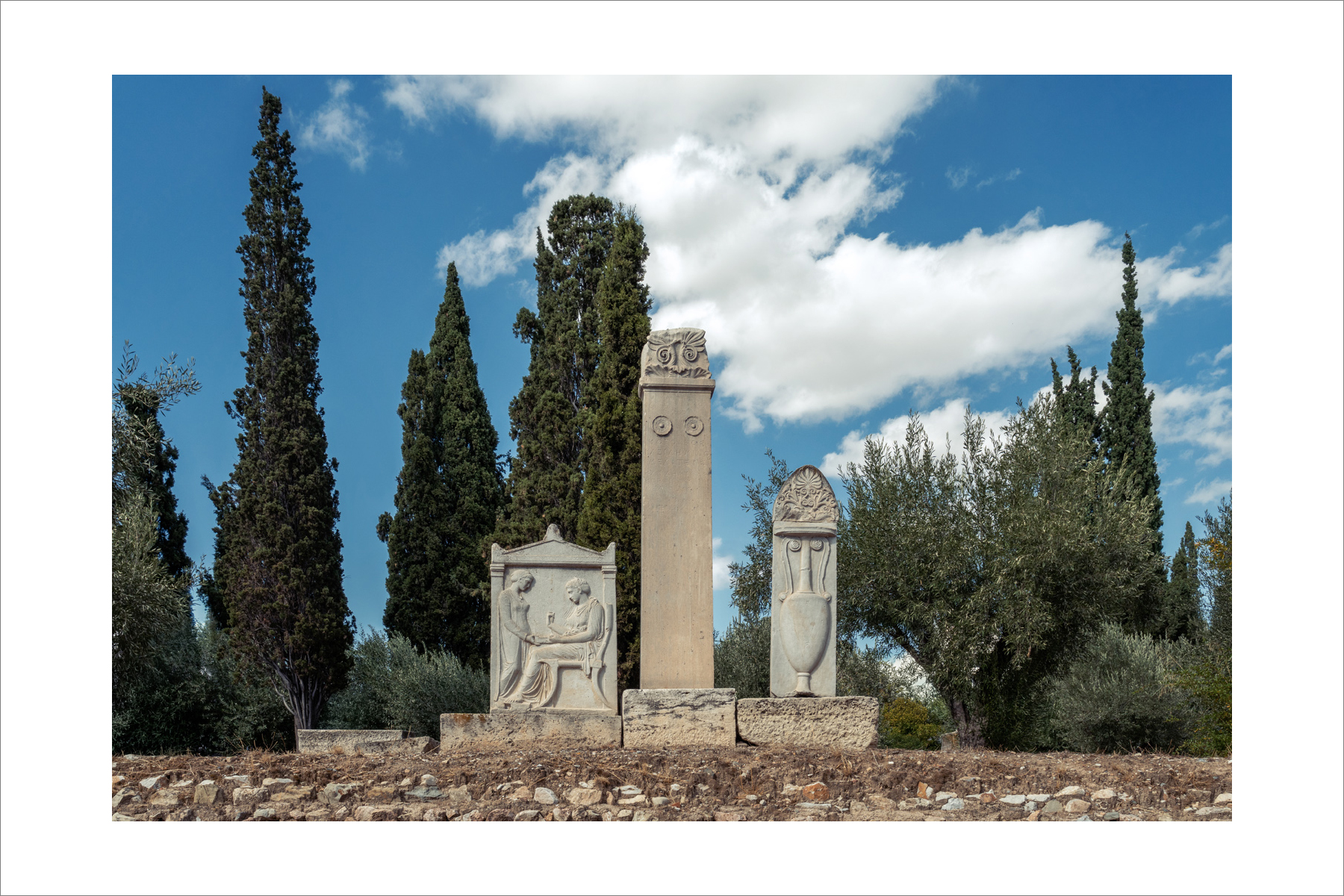
Among the funerary monuments, the stelae, the sculptures and the traces
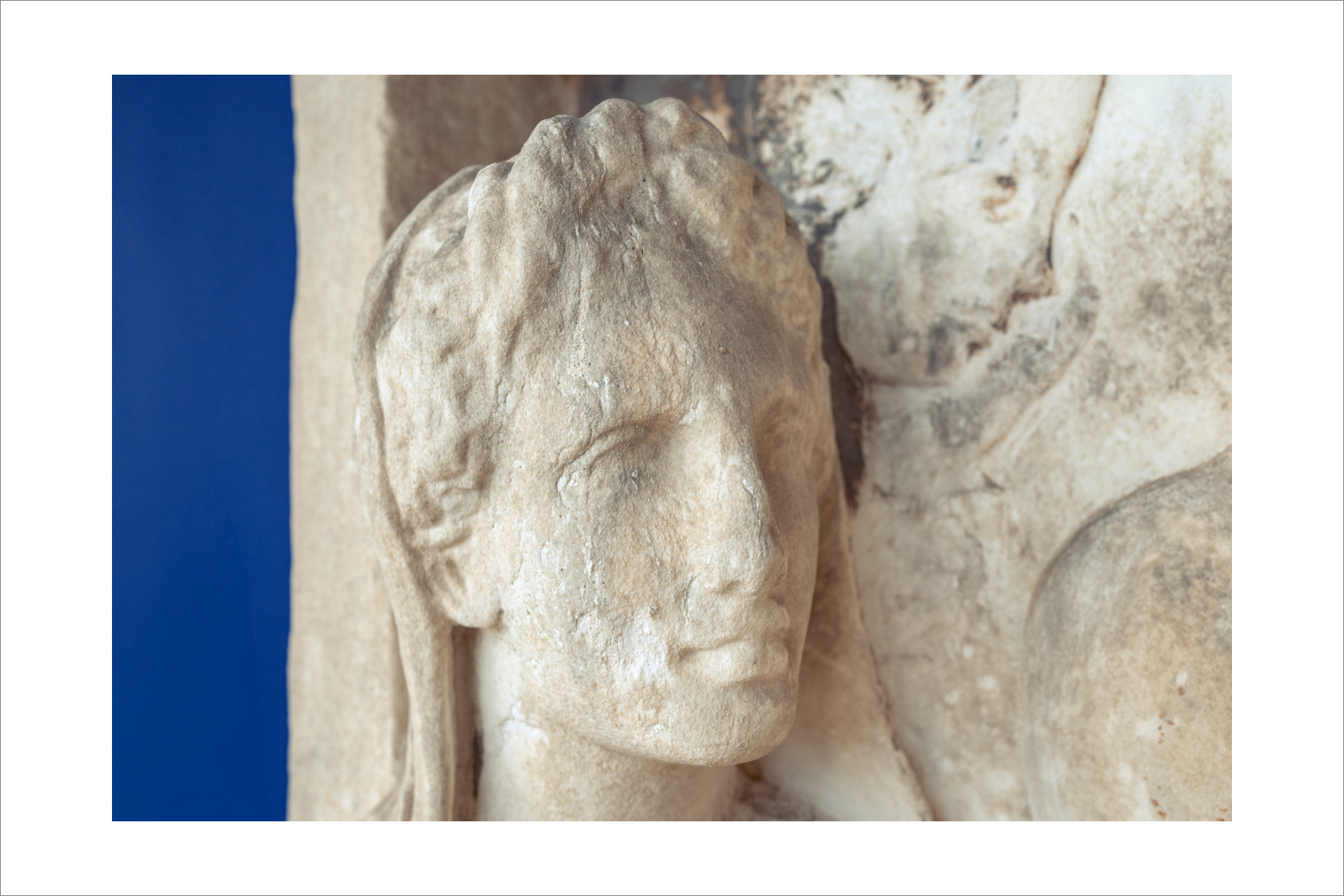
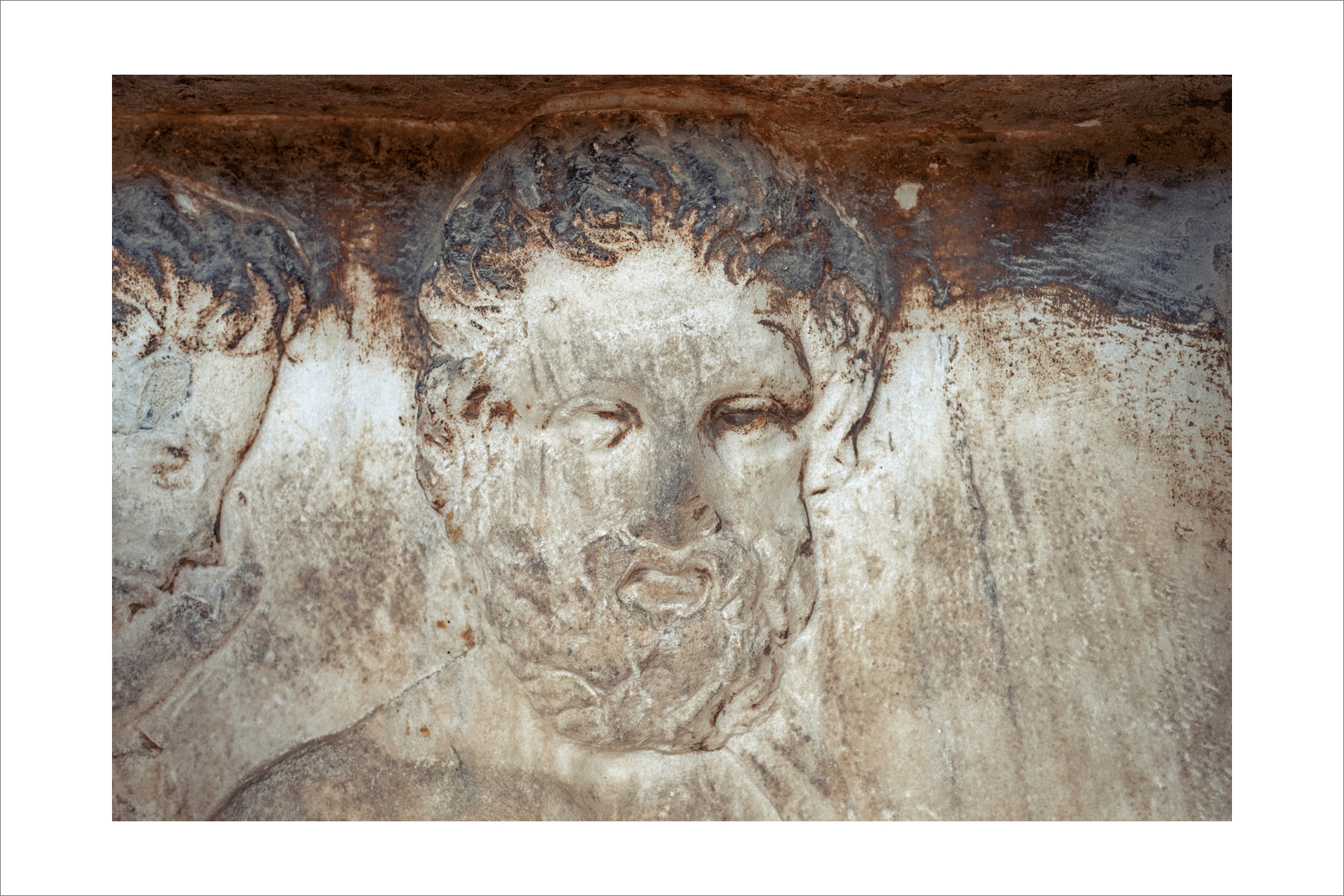
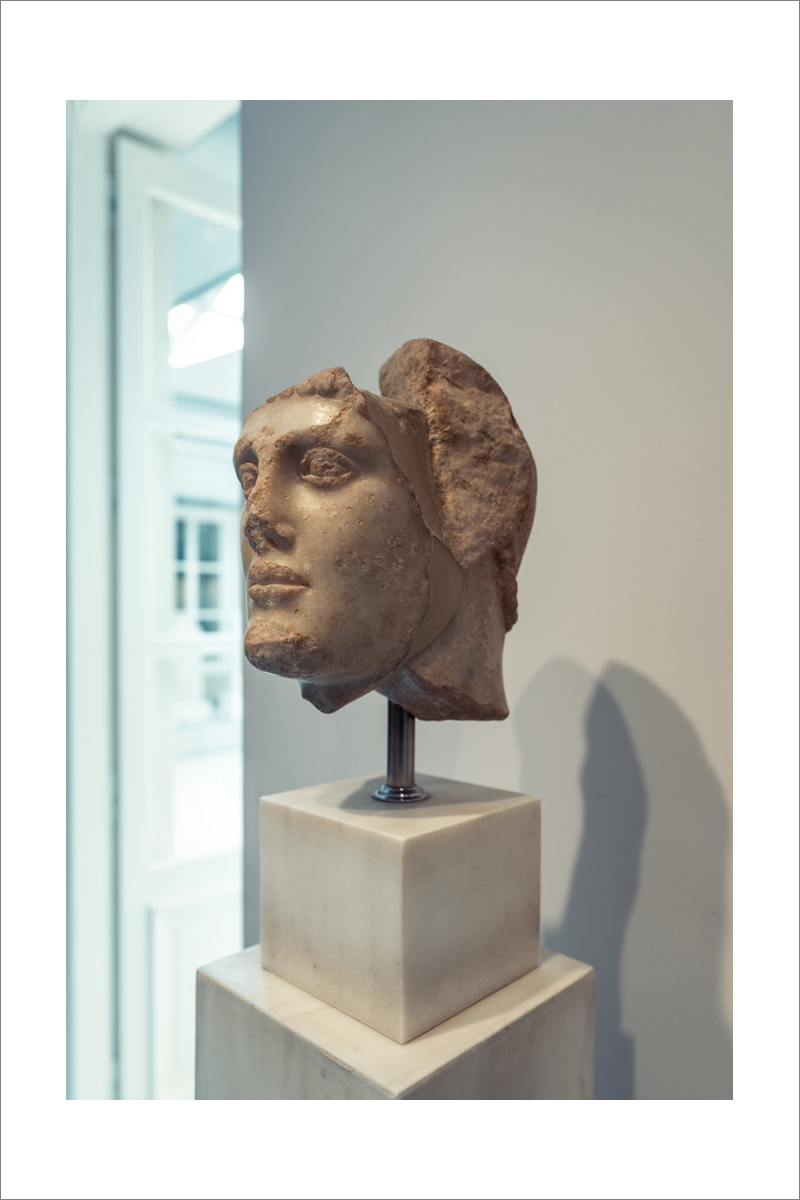
of burial rituals, death acquires an image. The face becomes memory,
and memory becomes a work of art.
This is precisely the essence of Palamas’ “marble Elysian Fields.”
Art does not abolish death.
It abolishes oblivion.
___________________
A Place Beneath the City
Excavations at Kerameikos began in 1870, conducted by the Archaeological Society
at Athens under the direction of Stephanos Koumanoudis.
In the following decades, they continued in collaboration with
German archaeologists and, from 1913 onwards,
under the auspices of the German Archaeological Institute.
Archaeological research did not simply uncover a site.
It revealed successive layers of the same city.
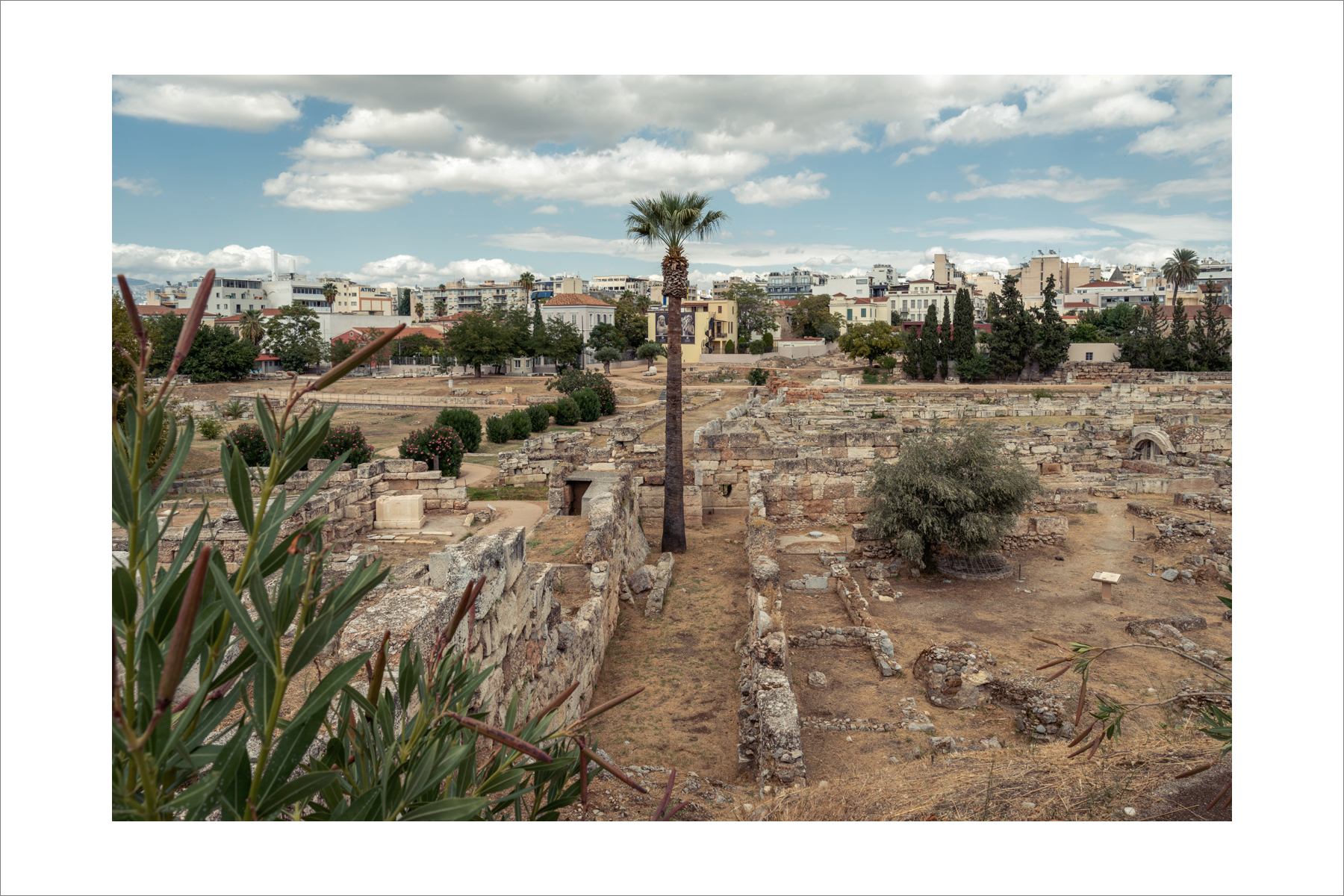
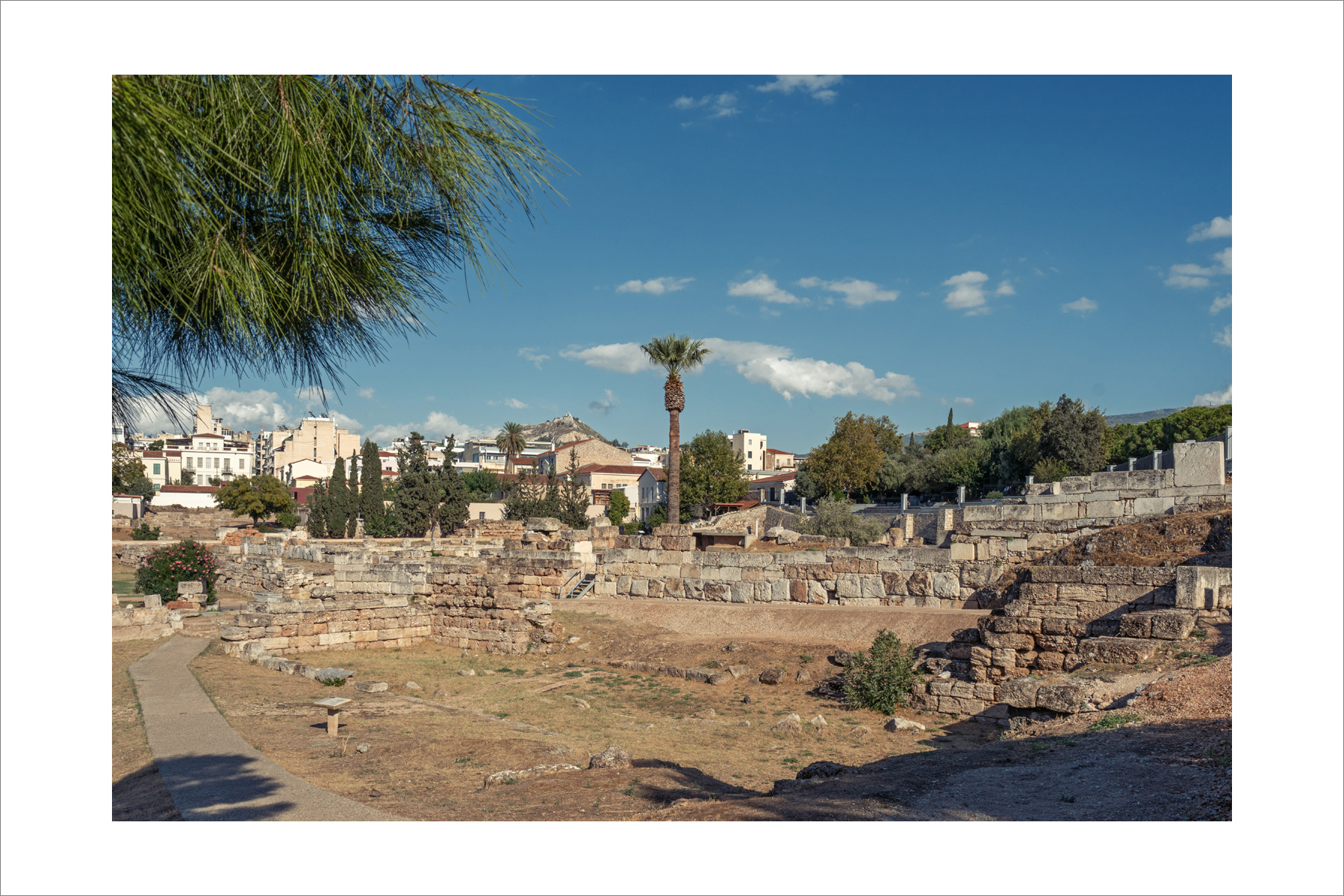
The ancient and the contemporary are not separated by distance.
They lie one upon the other.
___________________
The Return
The Archaeological Site and Museum of Kerameikos remained closed to the public
from 5 May 2025 until 15 September 2026, when the redevelopment works were
officially inaugurated. The inauguration was attended by Prime Minister
Kyriakos Mitsotakis, who was formally welcomed at the site
by Minister of Culture Lina Mendoni.
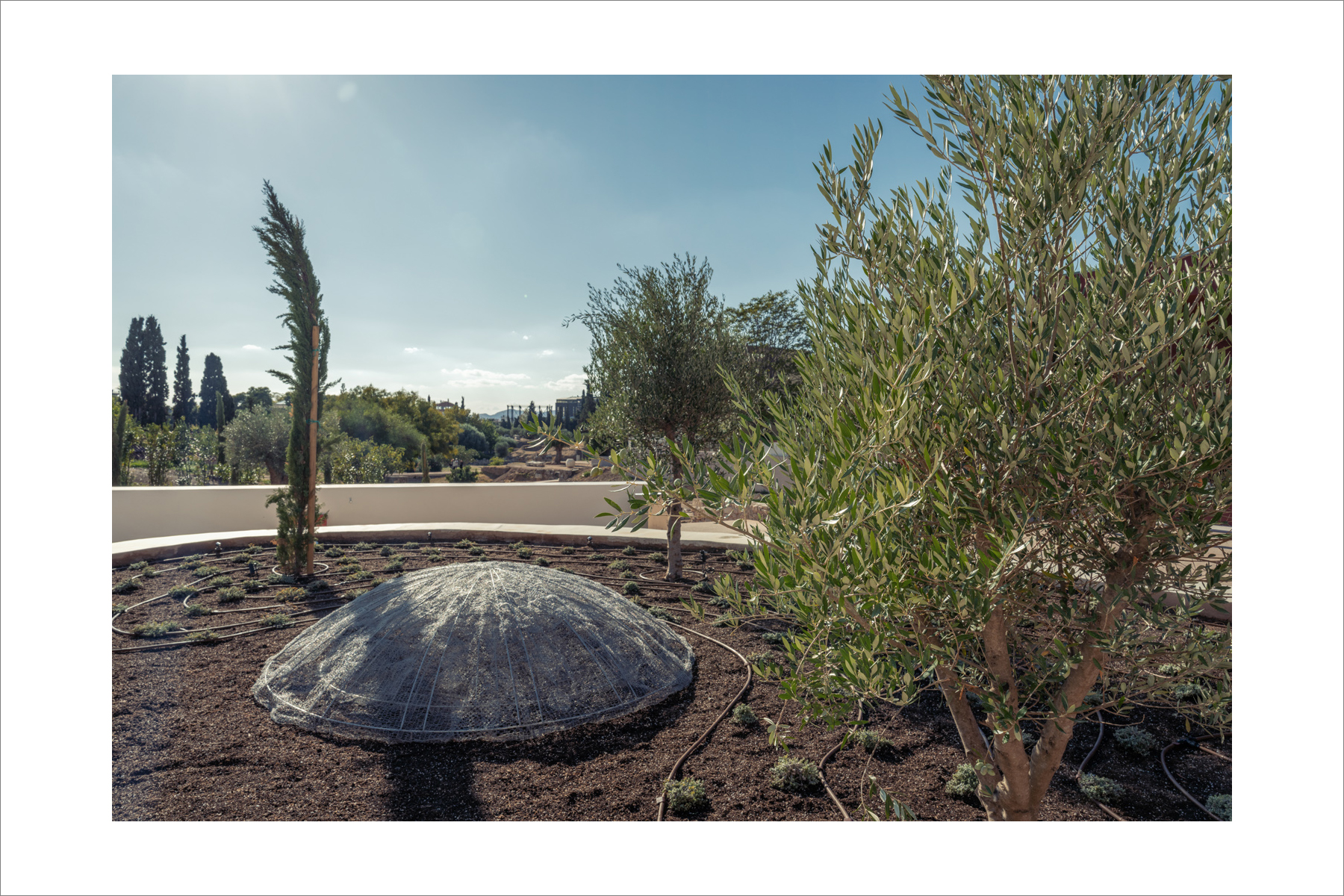
The works included interventions to improve both the functionality
and the aesthetics of the site.
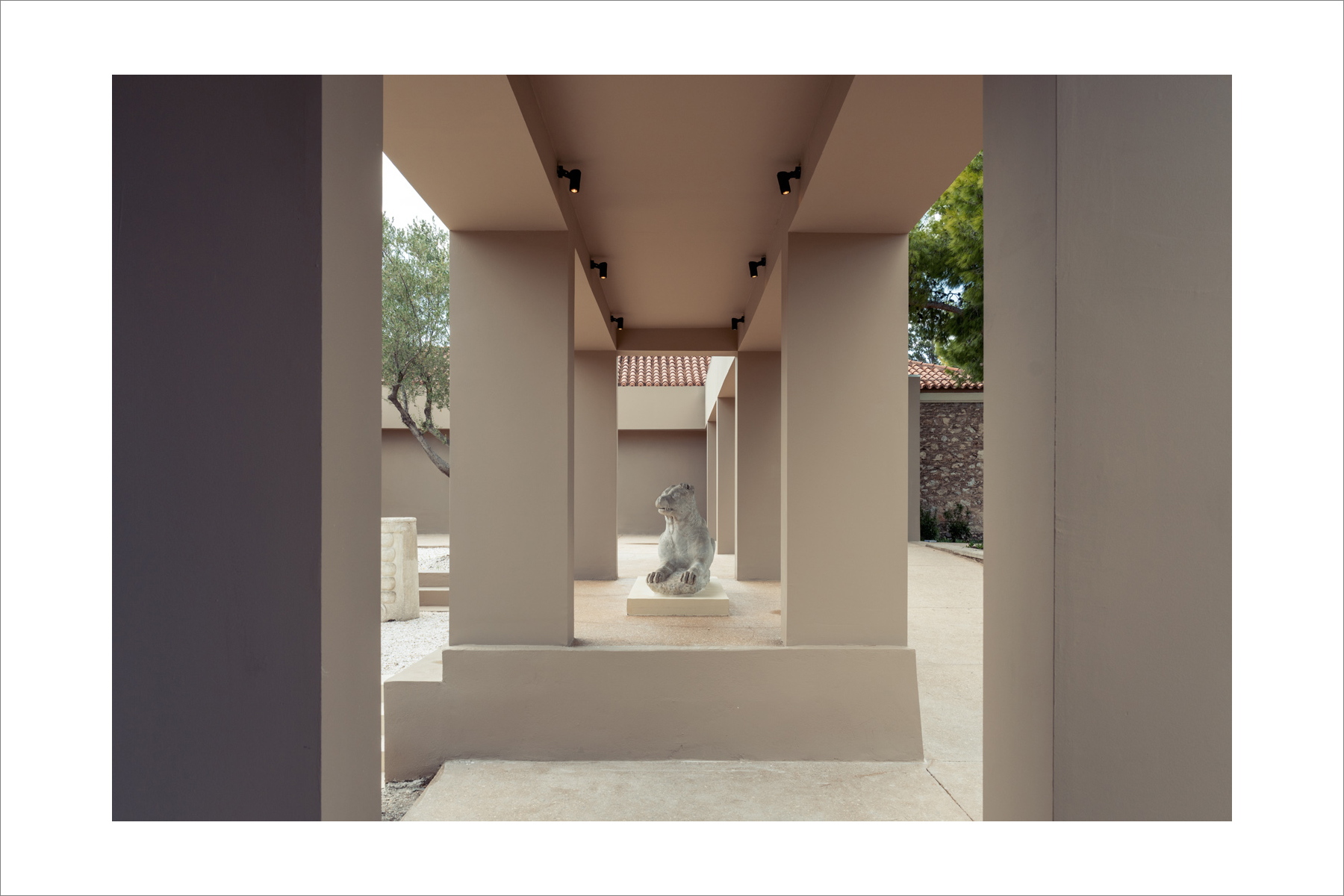
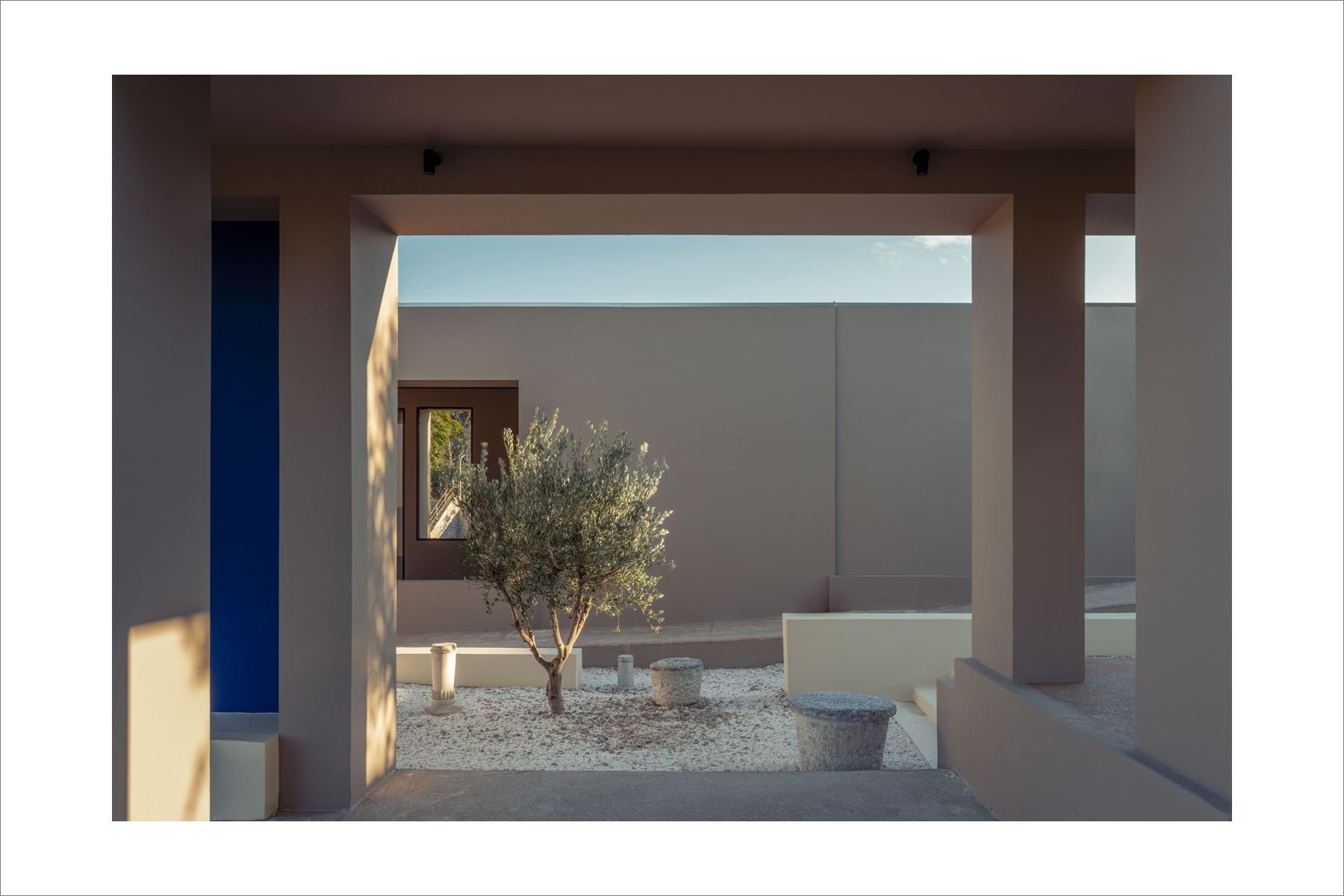
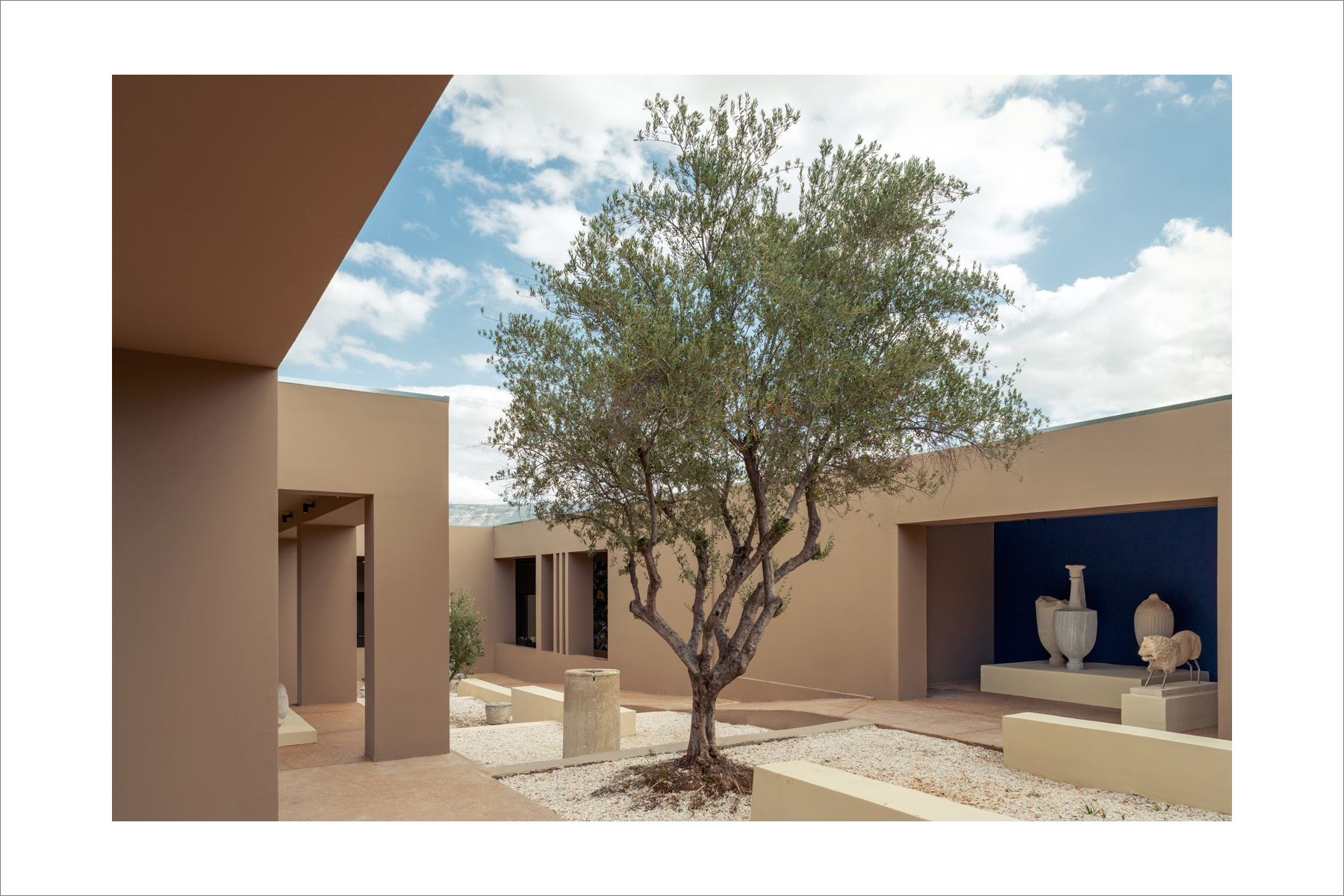
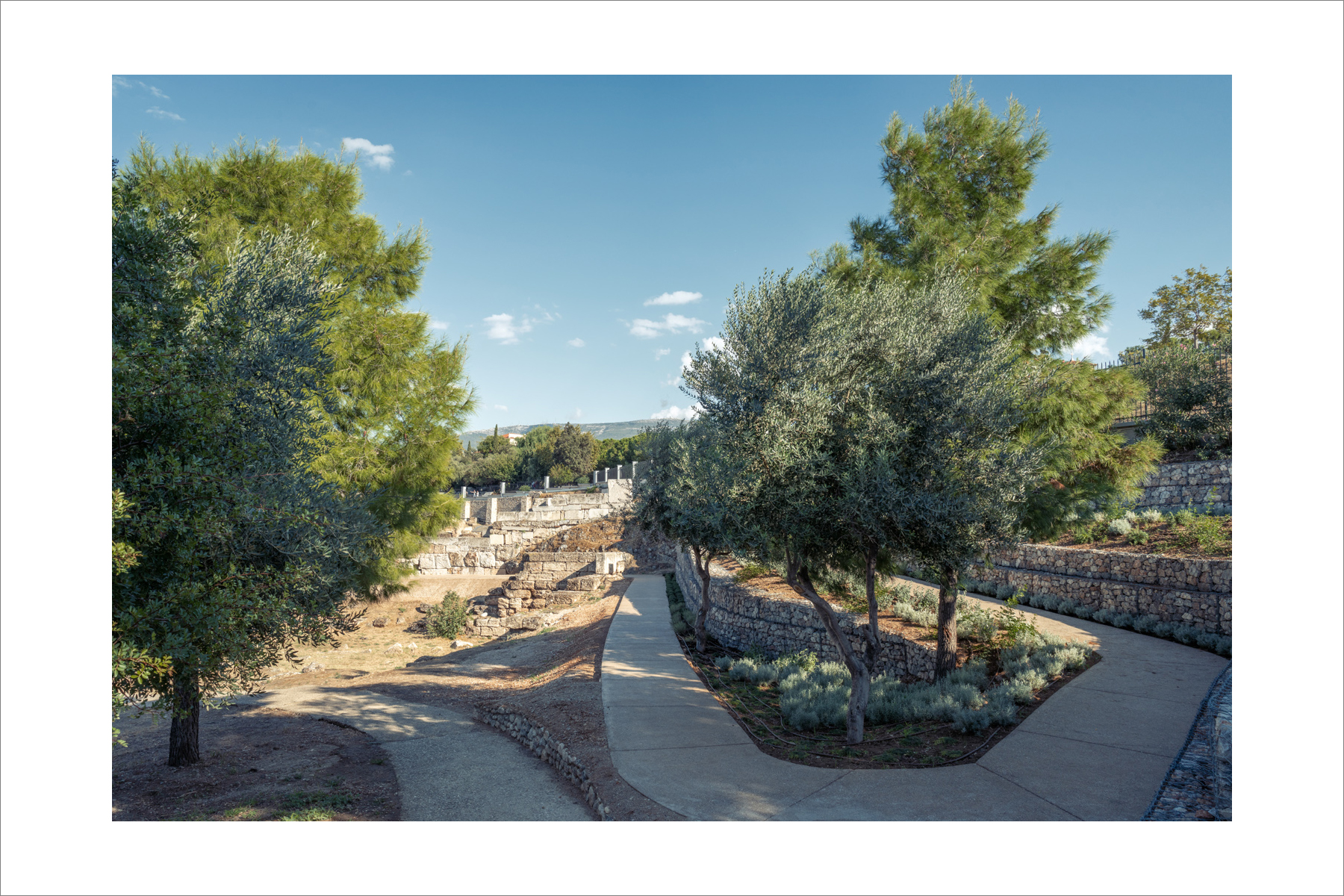
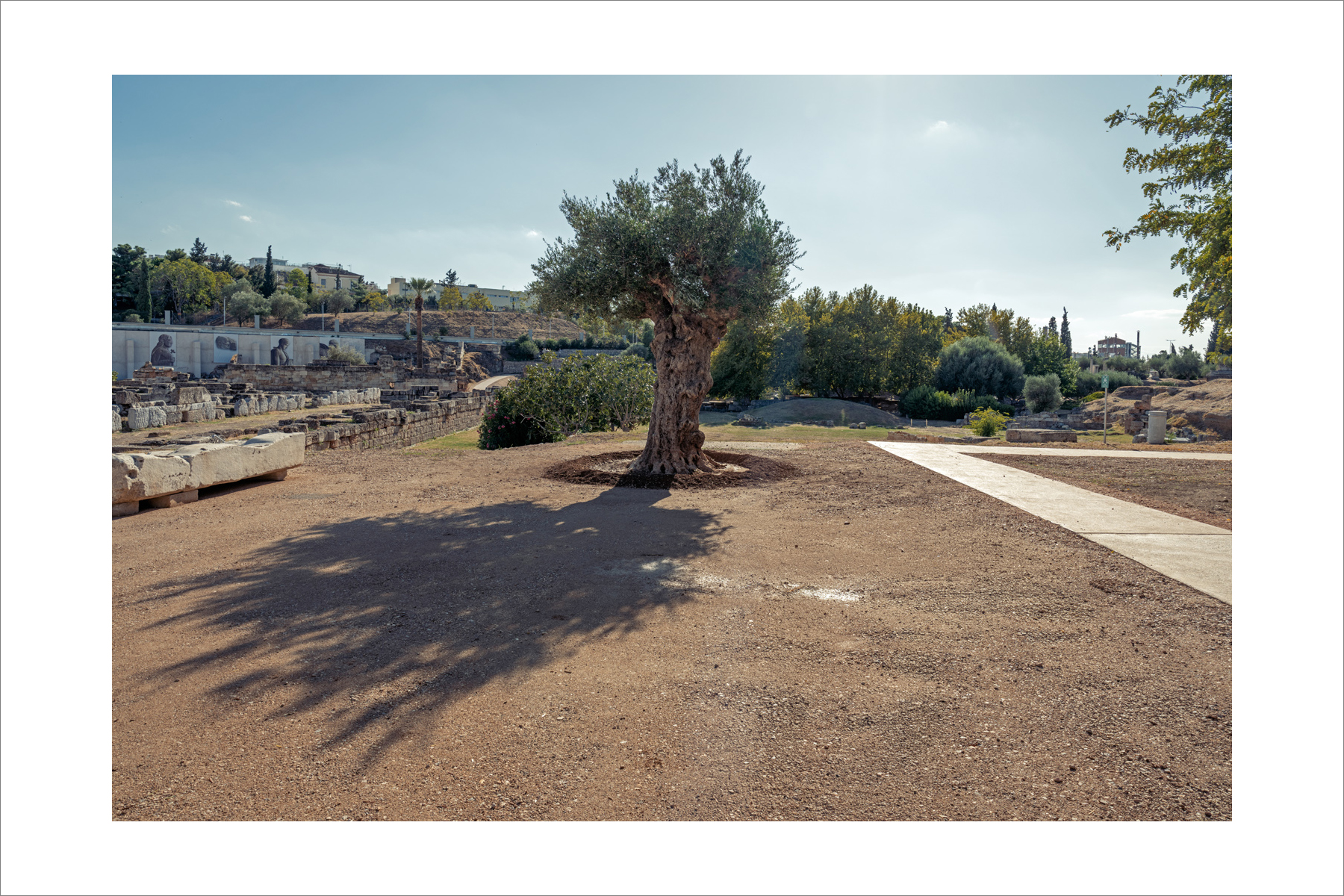
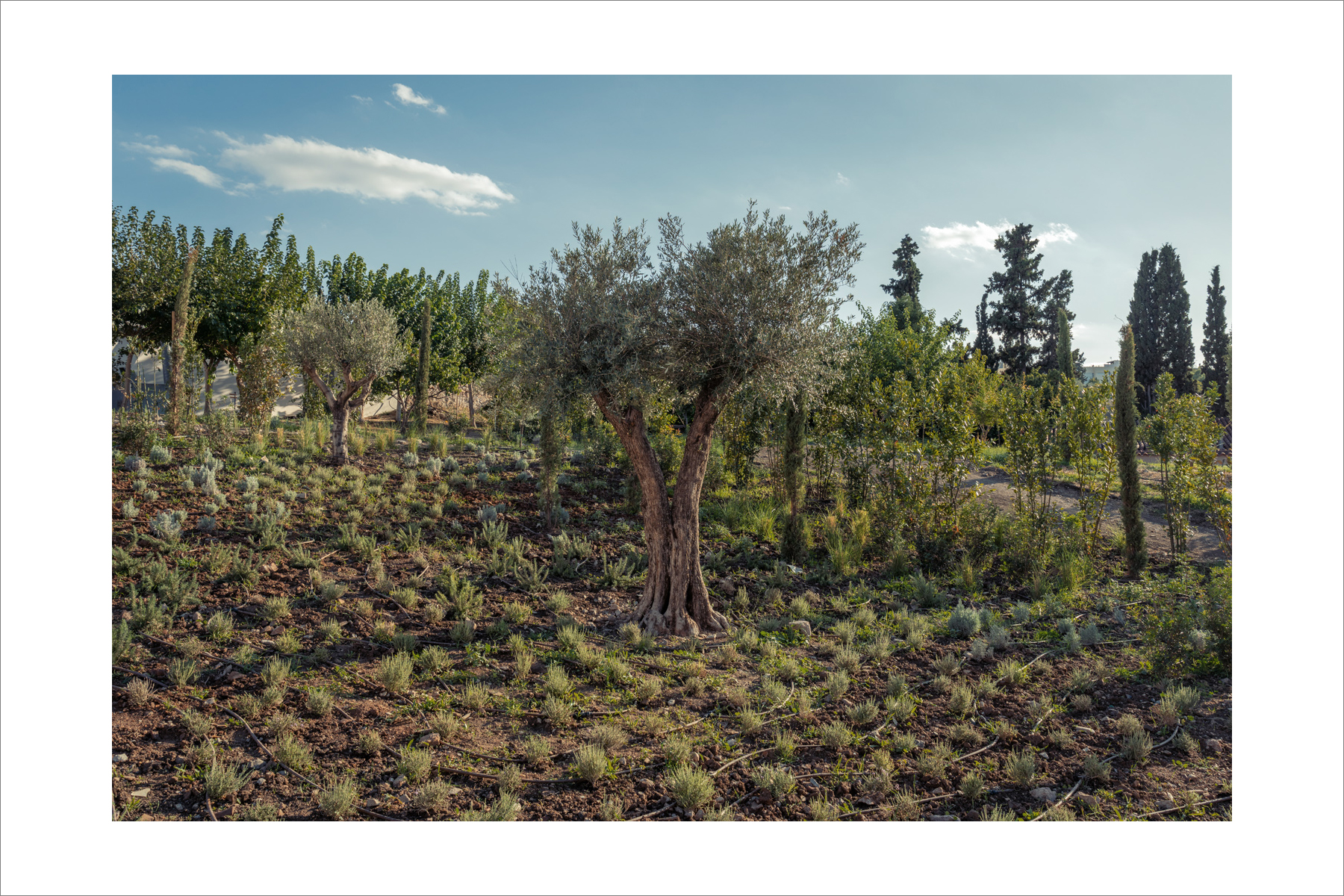
The new phase of the site is organised around reconnecting the archaeological landscape
with the contemporary city: new pathways, places to pause and take in the views,
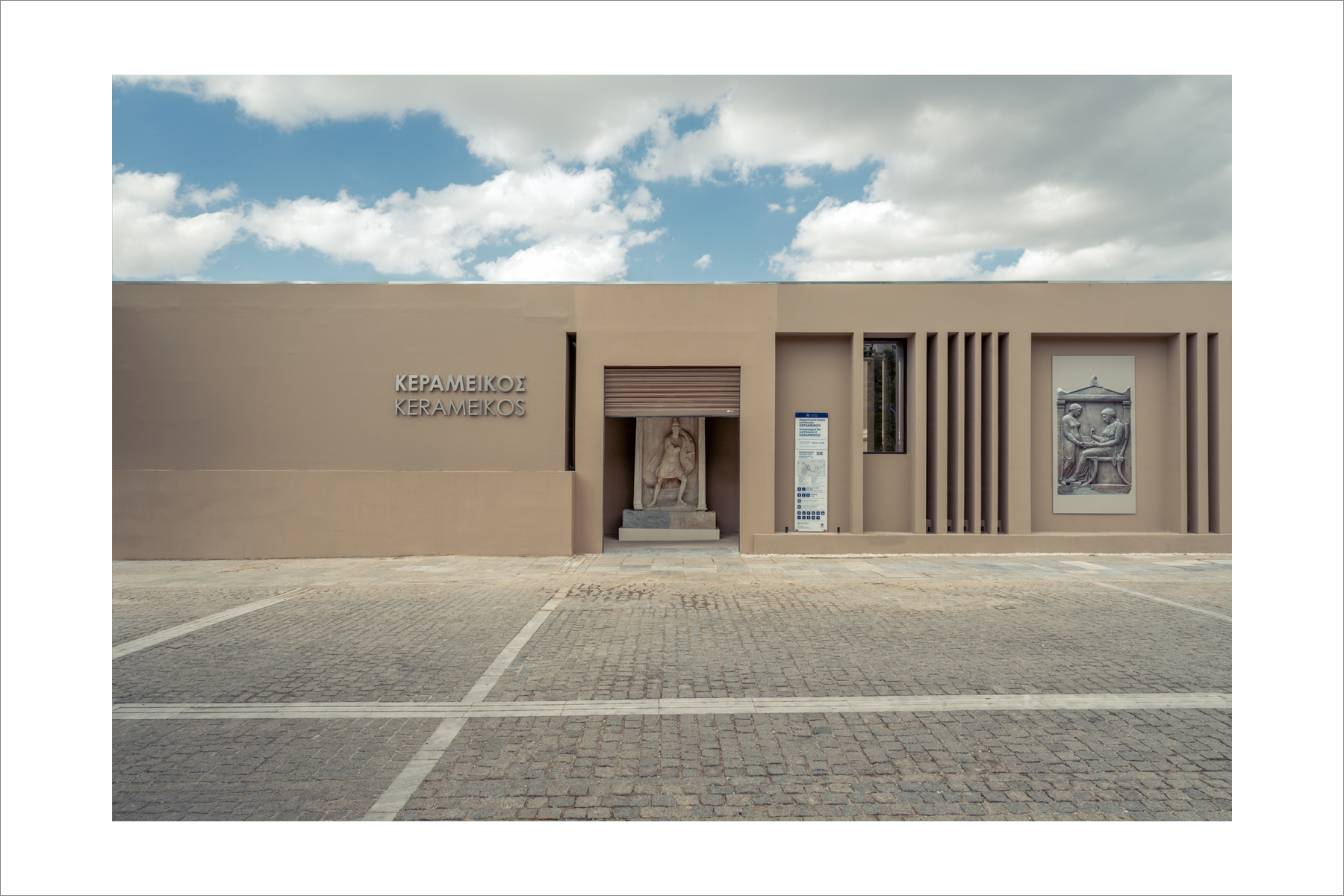
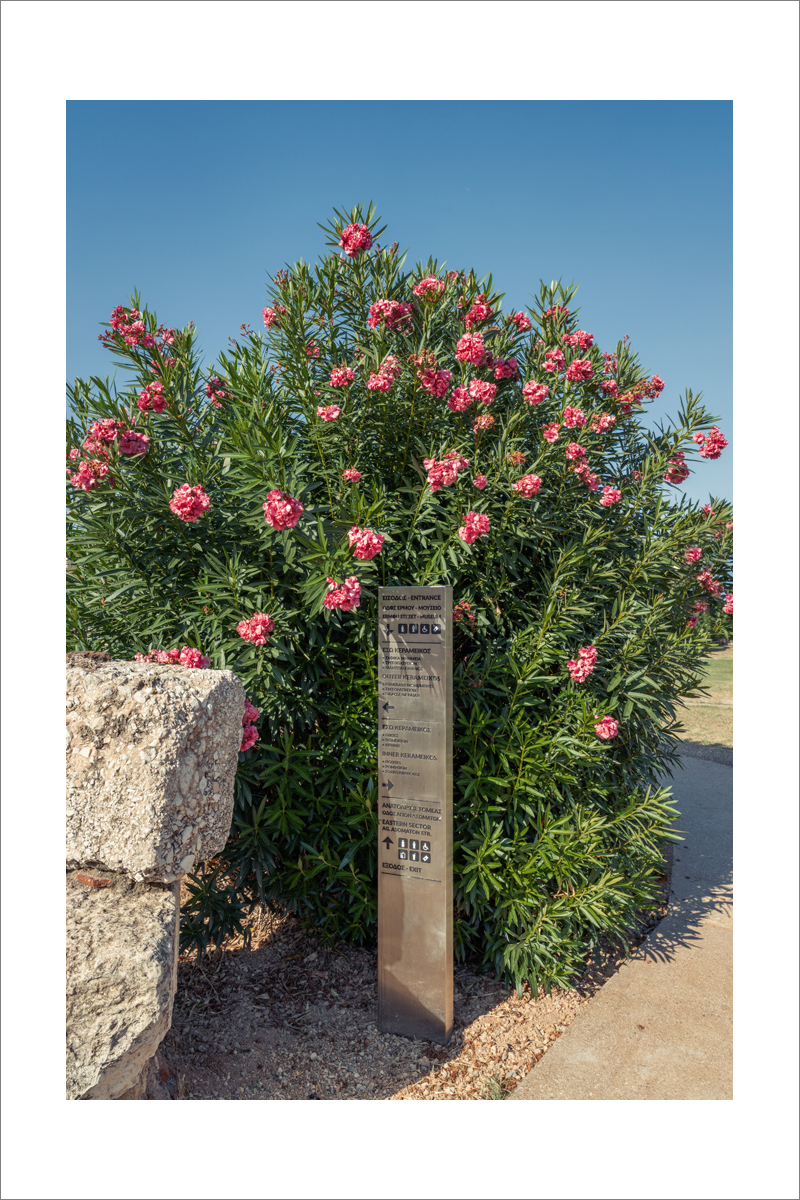
improved accessibility, and a new entrance and exit on Agion Asomaton Street.
The intervention is not simply about making the site more convenient for visitors.
It changes the way the site is read.
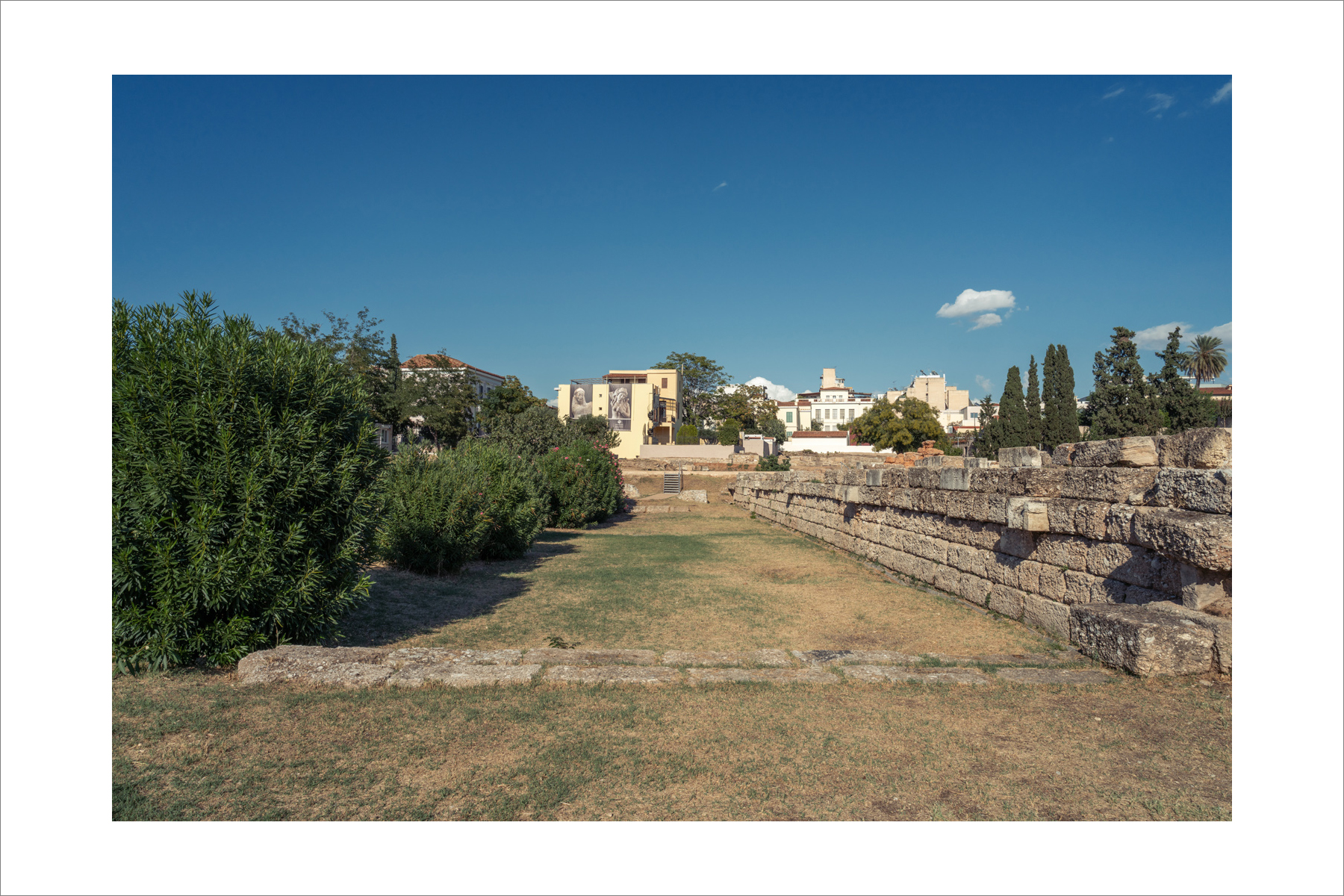
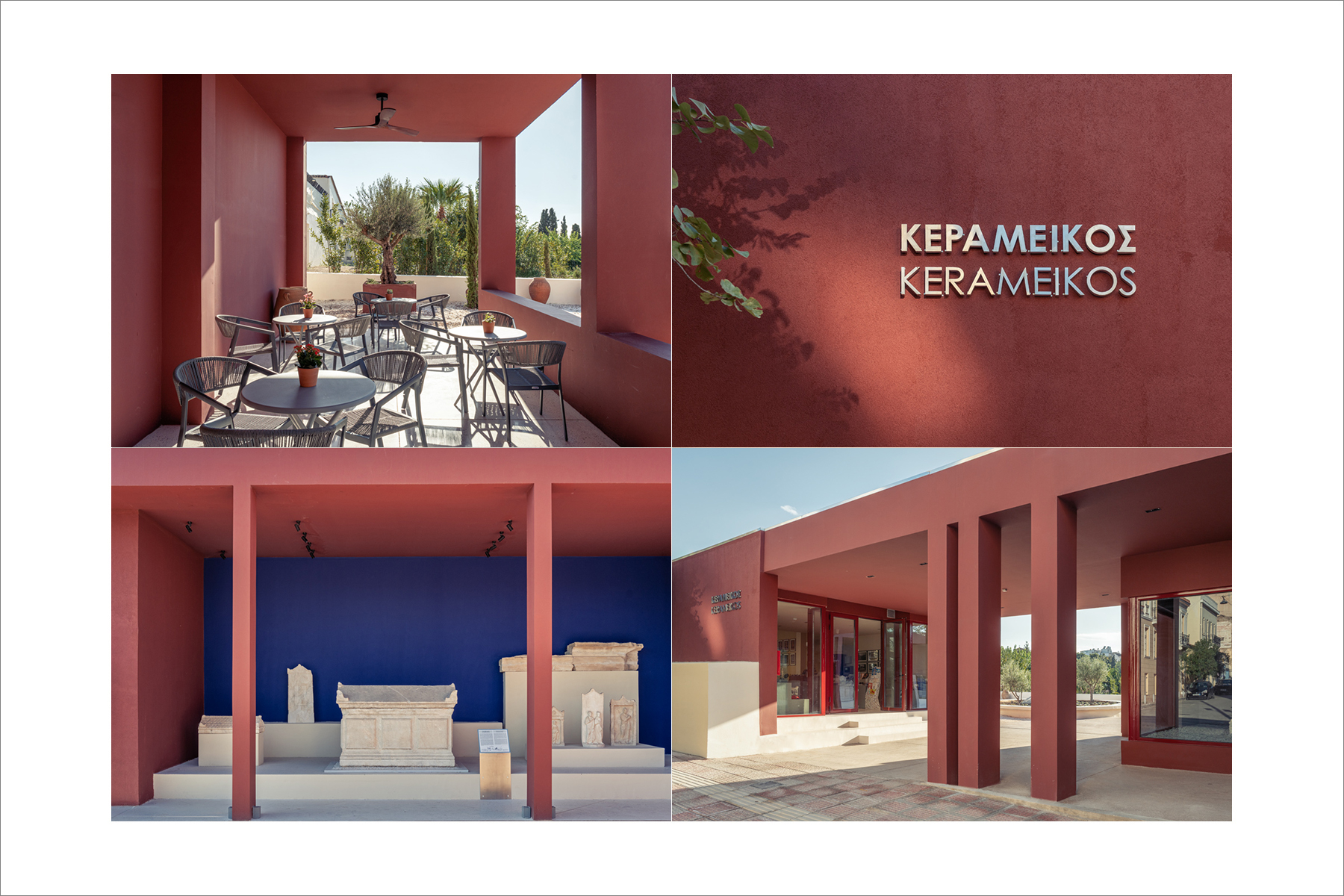
The new entrance on Agion Asomaton Street opens up another way
of approaching Kerameikos and shifts the relationship between
the archaeological site and the city.
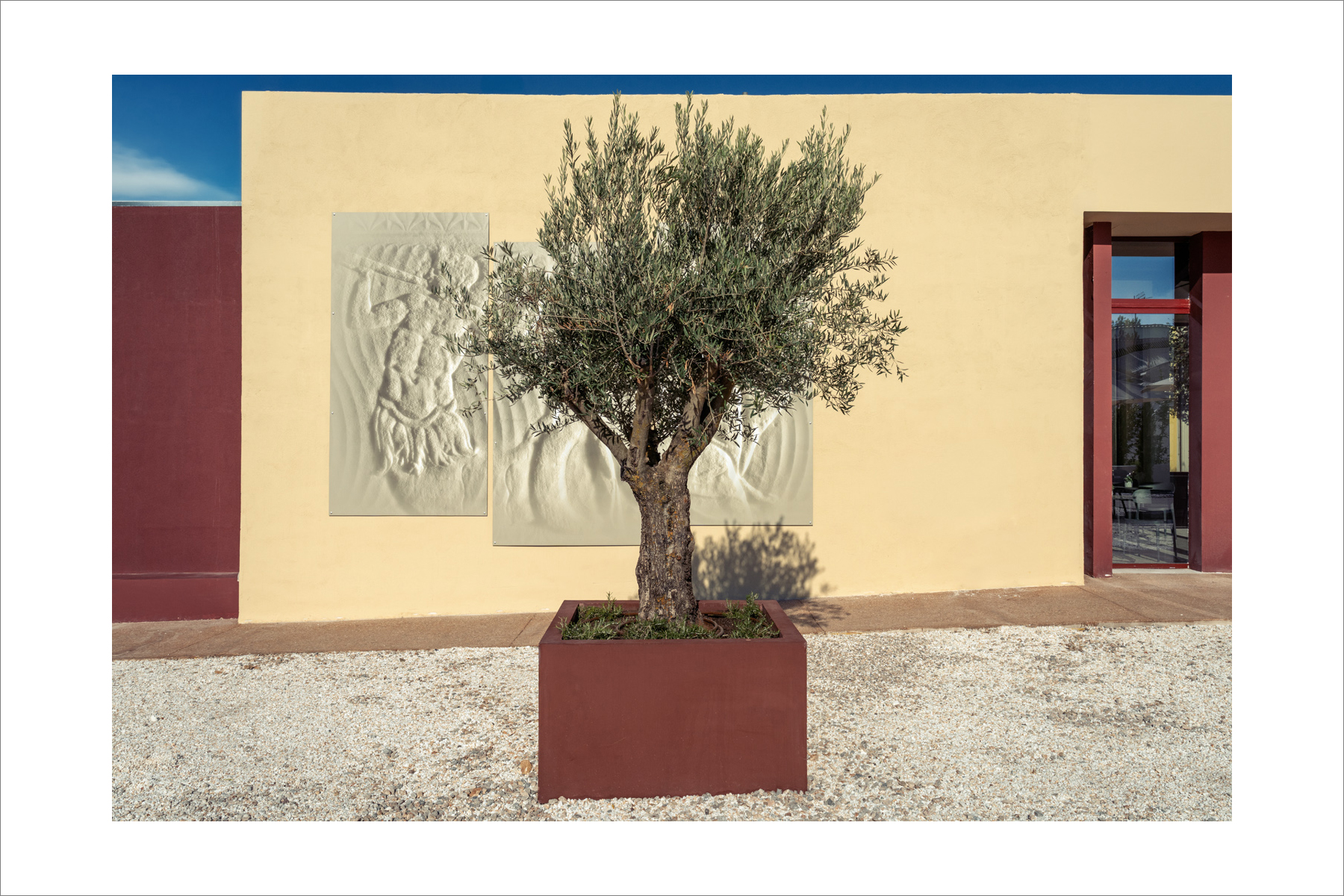
A complex of visitor facilities has been created on the site
of earlier buildings, while spaces have been provided for exhibitions,
educational activities and other functions.
The new pathways seek to restore continuity between the individual
monuments and make the scale and organisation of the archaeological
site more readily comprehensible.
And alongside these changes, there is a fundamental transformation:
Kerameikos is becoming more accessible.
Archaeological memory is no longer isolated. It returns to the city.
___________________
The Present Above the Past
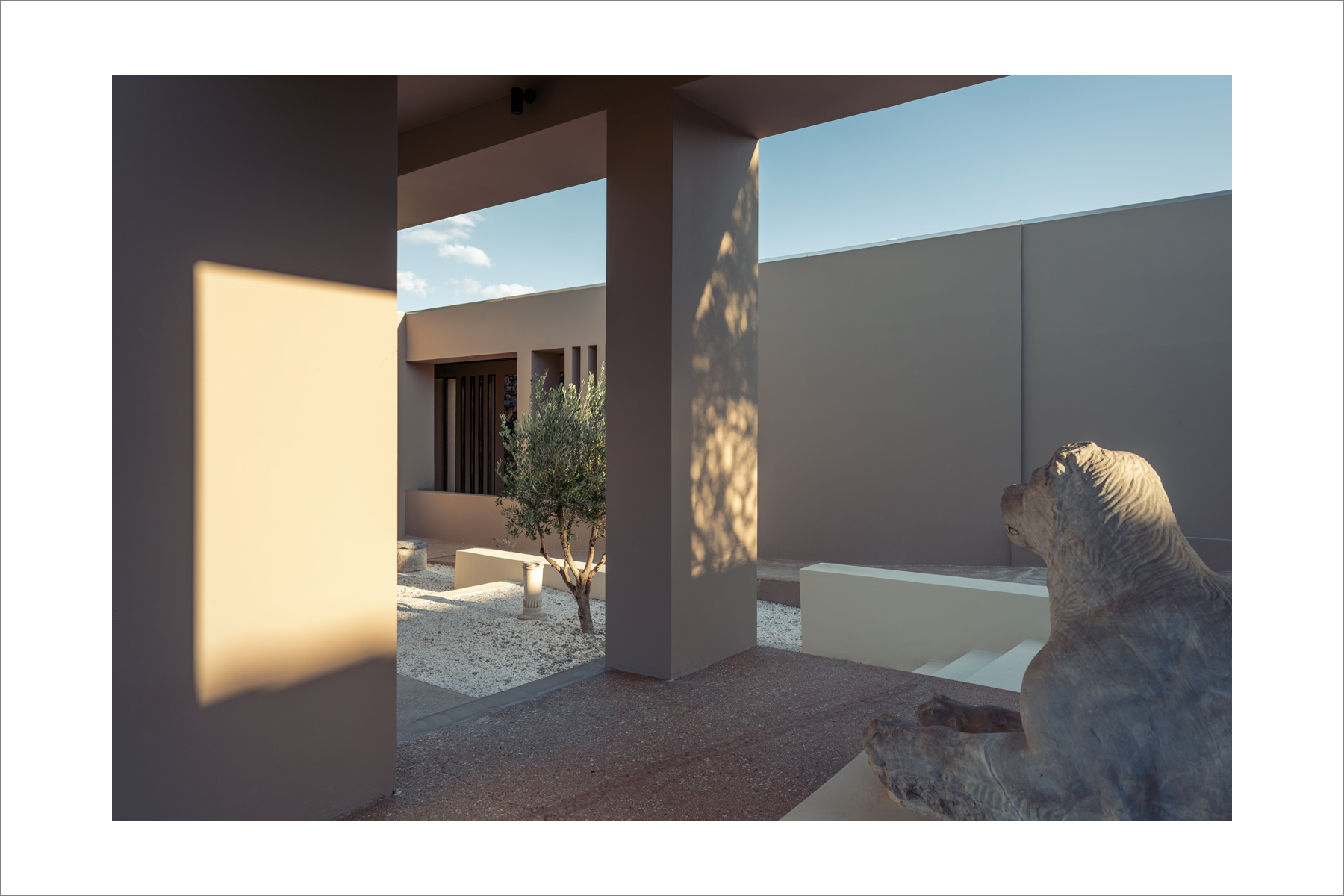
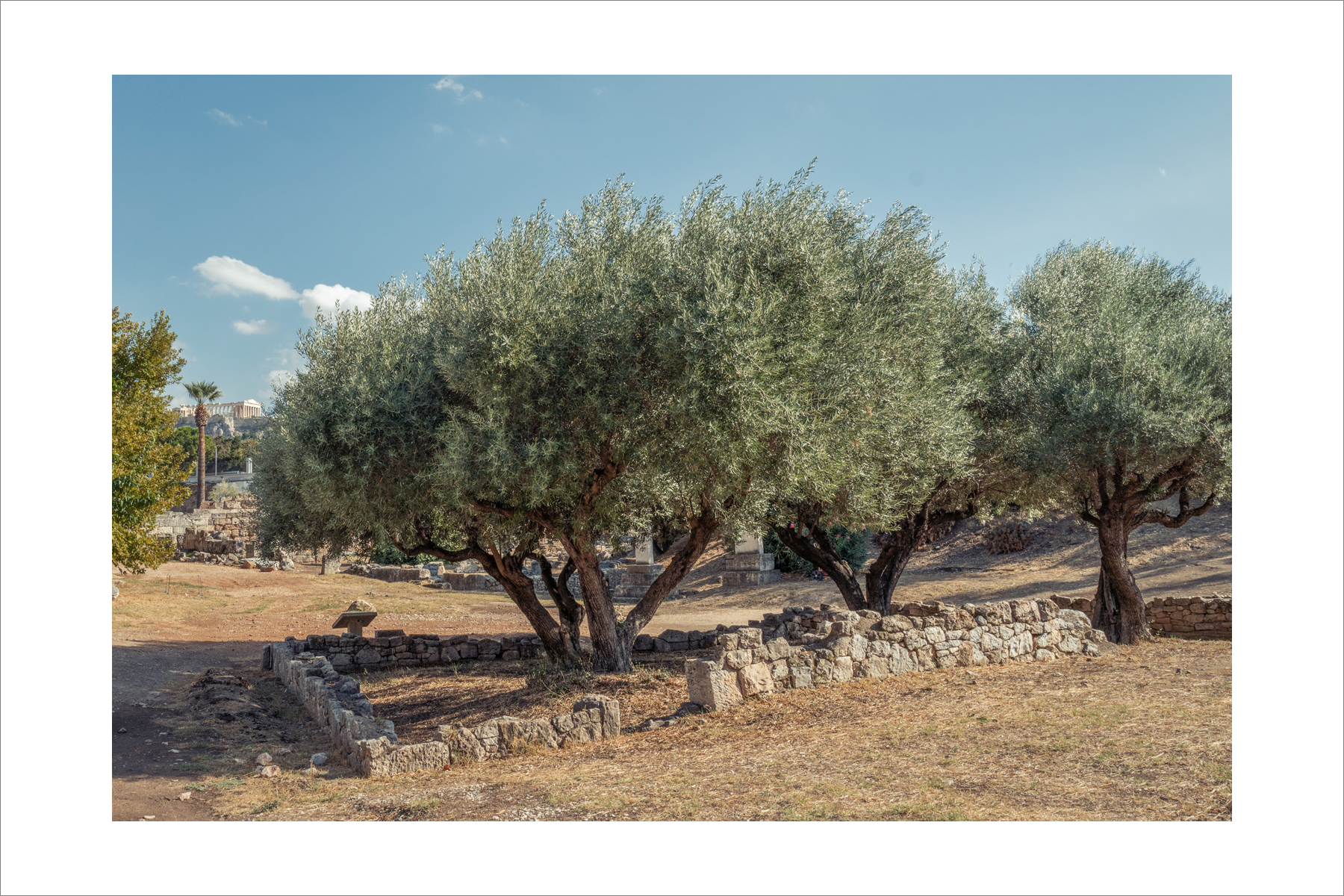
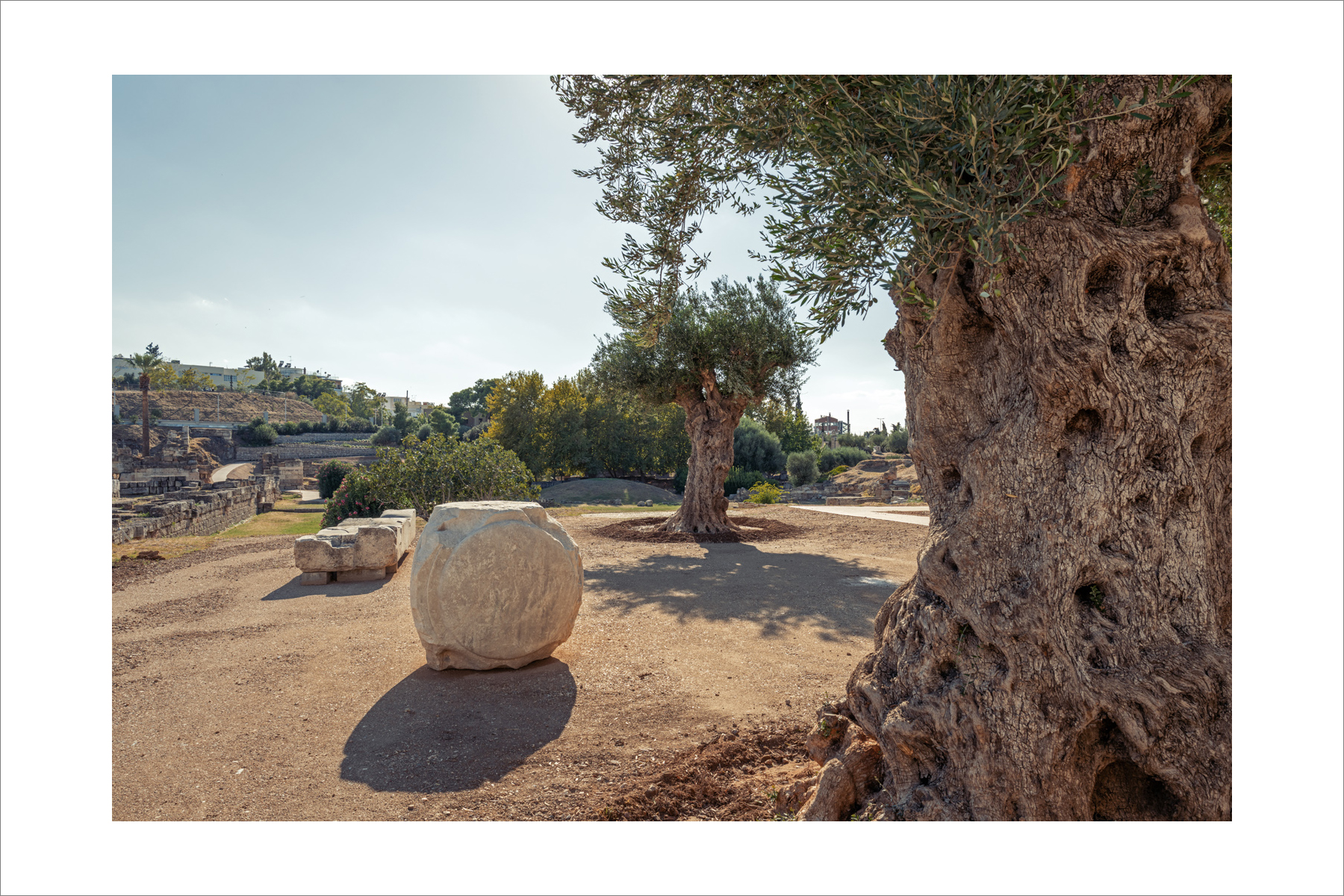
At Kerameikos, you photograph more than antiquities.
You photograph the coexistence of time.
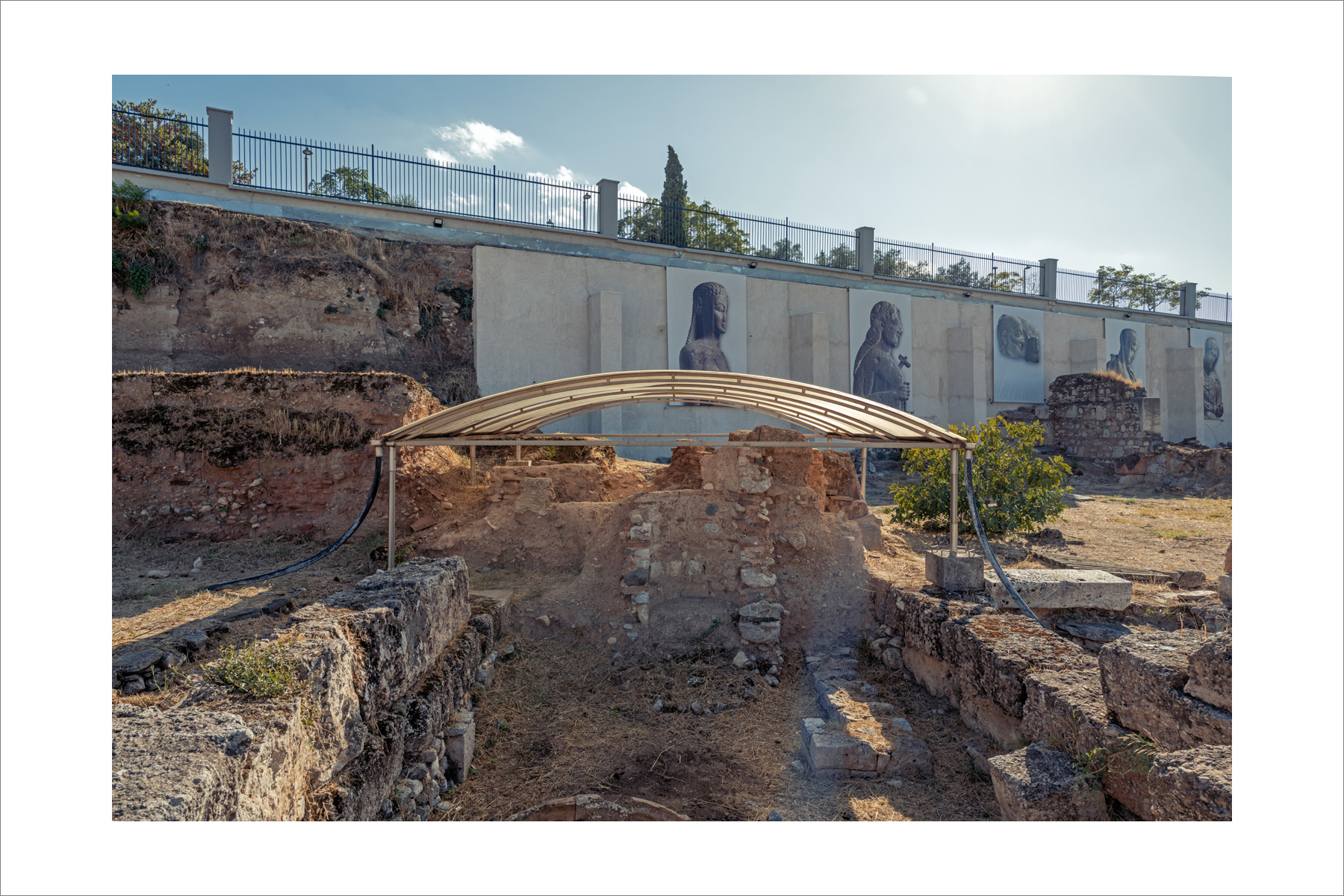
Marble facing concrete.
An ancient trace beside the movement of modern life.
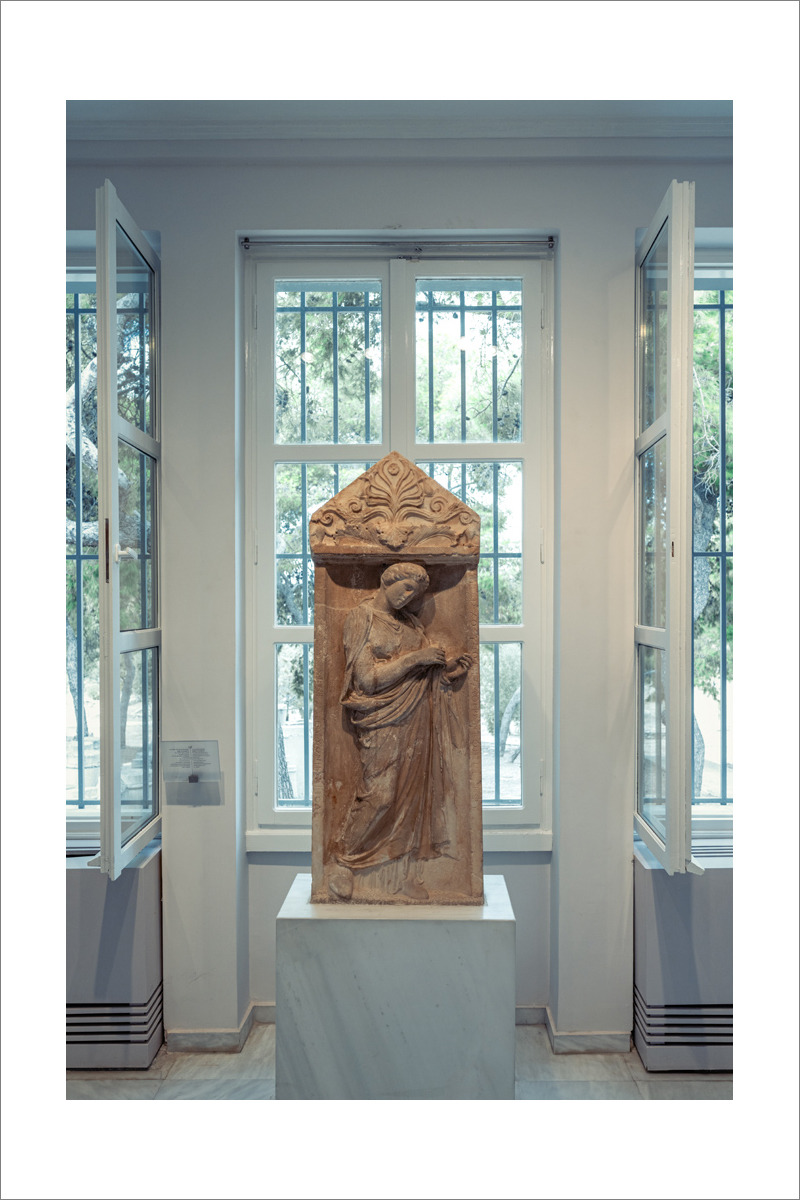
The shadow of a tree falling across a funerary stele.
The waters of the Eridanos flowing through the ancient relief of the city.
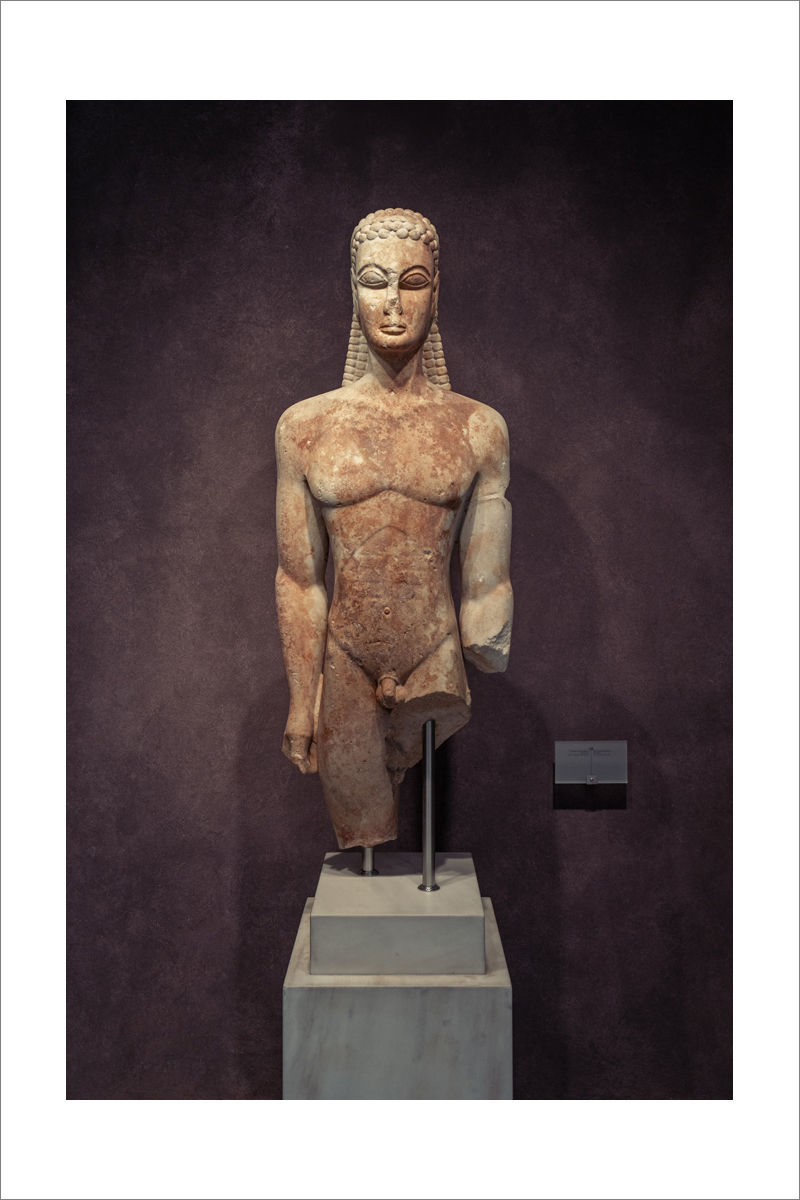
A face that lived centuries ago and still gazes out at us.
Photography, like marble, is an act of resistance against oblivion.
It does not bring the dead back to life.
It makes them visible.
And perhaps this is the true meaning of the “marble Elysian Fields.”
Not a place where death is defeated.
But a place where memory continues to live.
Kerameikos.
A place of the dead that continues to speak to the living.
 Kerameikos “The Marble Elysian Fields, the Elysian Fields of Art” | 1/71
  Kerameikos “The Marble Elysian Fields, the Elysian Fields of Art” | 2/71
  Kerameikos “The Marble Elysian Fields, the Elysian Fields of Art” | 3/71
  Kerameikos “The Marble Elysian Fields, the Elysian Fields of Art” | 4/71
  Kerameikos “The Marble Elysian Fields, the Elysian Fields of Art” | 5/71
  Kerameikos “The Marble Elysian Fields, the Elysian Fields of Art” | 6/71
  Kerameikos “The Marble Elysian Fields, the Elysian Fields of Art” | 7/71
  Kerameikos “The Marble Elysian Fields, the Elysian Fields of Art” | 8/71
  Kerameikos “The Marble Elysian Fields, the Elysian Fields of Art” | 9/71
  Kerameikos “The Marble Elysian Fields, the Elysian Fields of Art” | 10/71
  Kerameikos “The Marble Elysian Fields, the Elysian Fields of Art” | 11/71
  Kerameikos “The Marble Elysian Fields, the Elysian Fields of Art” | 12/71
  Kerameikos “The Marble Elysian Fields, the Elysian Fields of Art” | 13/71
  Kerameikos “The Marble Elysian Fields, the Elysian Fields of Art” | 14/71
  Kerameikos “The Marble Elysian Fields, the Elysian Fields of Art” | 15/71
  Kerameikos “The Marble Elysian Fields, the Elysian Fields of Art” | 16/71
  Kerameikos “The Marble Elysian Fields, the Elysian Fields of Art” | 17/71
  Kerameikos “The Marble Elysian Fields, the Elysian Fields of Art” | 18/71
  Kerameikos “The Marble Elysian Fields, the Elysian Fields of Art” | 19/71
  Kerameikos “The Marble Elysian Fields, the Elysian Fields of Art” | 20/71
  Kerameikos “The Marble Elysian Fields, the Elysian Fields of Art” | 21/71
  Kerameikos “The Marble Elysian Fields, the Elysian Fields of Art” | 22/71
  Kerameikos “The Marble Elysian Fields, the Elysian Fields of Art” | 23/71
  Kerameikos “The Marble Elysian Fields, the Elysian Fields of Art” | 24/71
  Kerameikos “The Marble Elysian Fields, the Elysian Fields of Art” | 25/71
  Kerameikos “The Marble Elysian Fields, the Elysian Fields of Art” | 26/71
  Kerameikos “The Marble Elysian Fields, the Elysian Fields of Art” | 27/71
  Kerameikos “The Marble Elysian Fields, the Elysian Fields of Art” | 28/71
  Kerameikos “The Marble Elysian Fields, the Elysian Fields of Art” | 29/71
  Kerameikos “The Marble Elysian Fields, the Elysian Fields of Art” | 30/71
  Kerameikos “The Marble Elysian Fields, the Elysian Fields of Art” | 31/71
  Kerameikos “The Marble Elysian Fields, the Elysian Fields of Art” | 32/71
 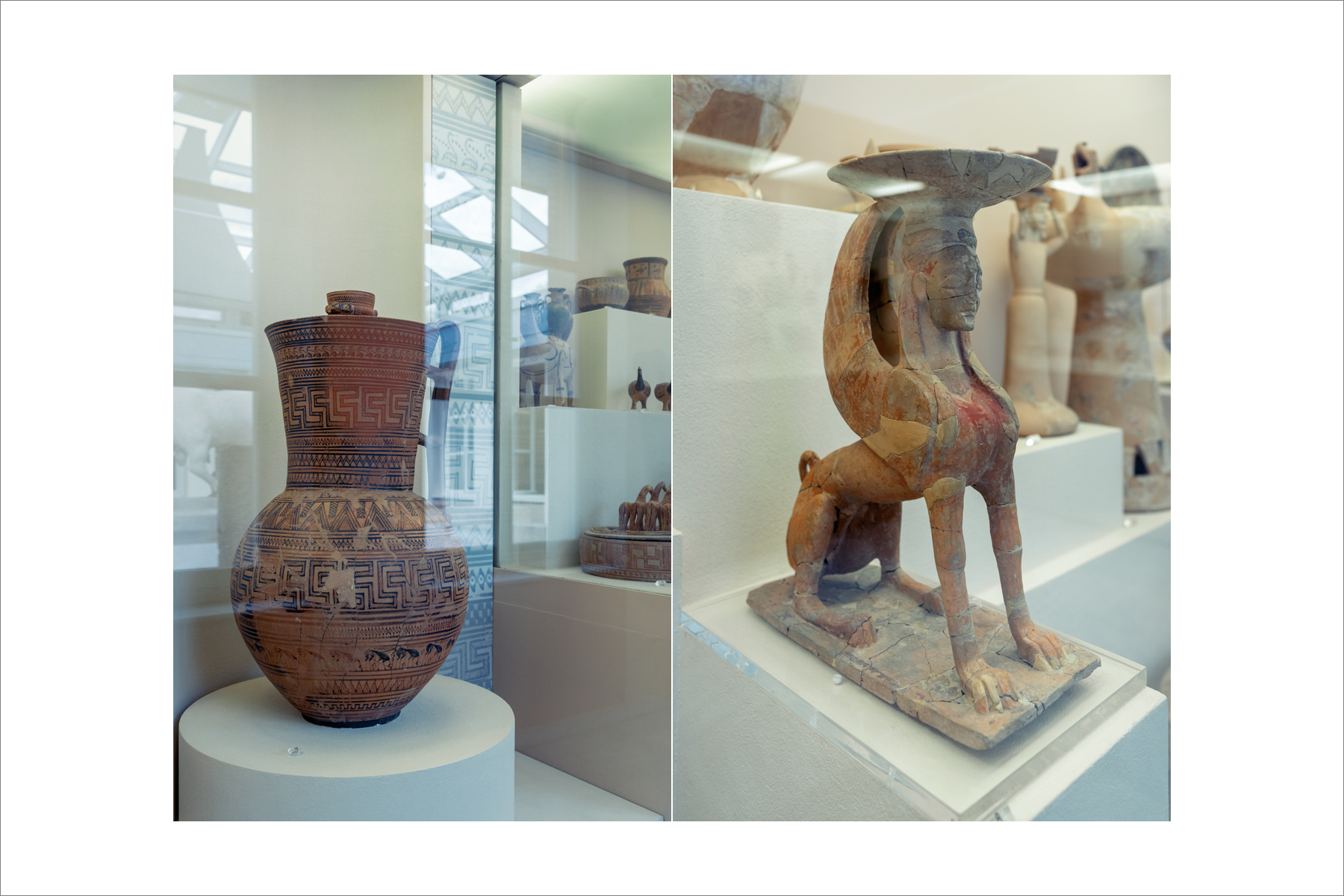 Kerameikos “The Marble Elysian Fields, the Elysian Fields of Art” | 33/71
 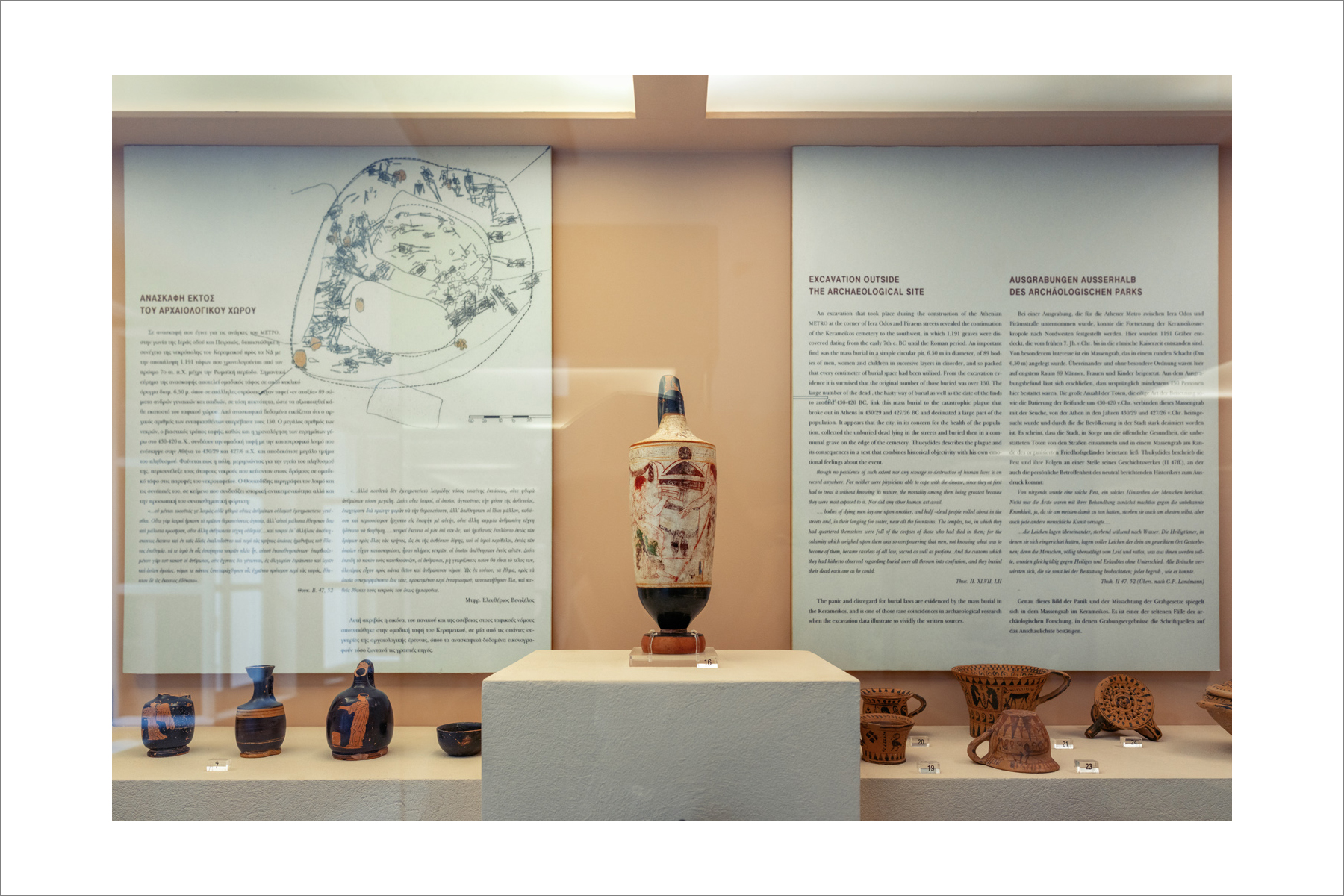 Kerameikos “The Marble Elysian Fields, the Elysian Fields of Art” | 34/71
 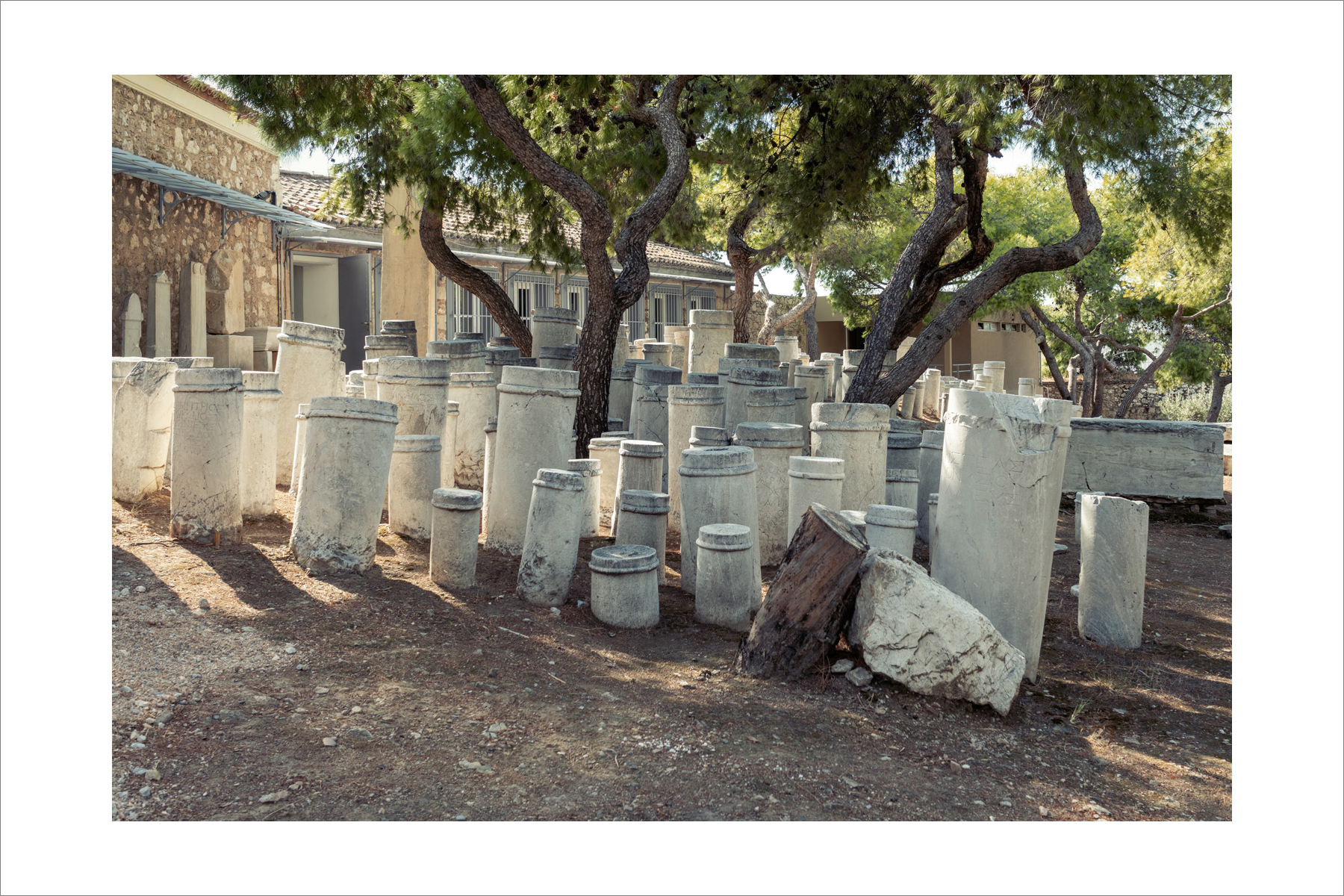 Kerameikos “The Marble Elysian Fields, the Elysian Fields of Art” | 35/71
 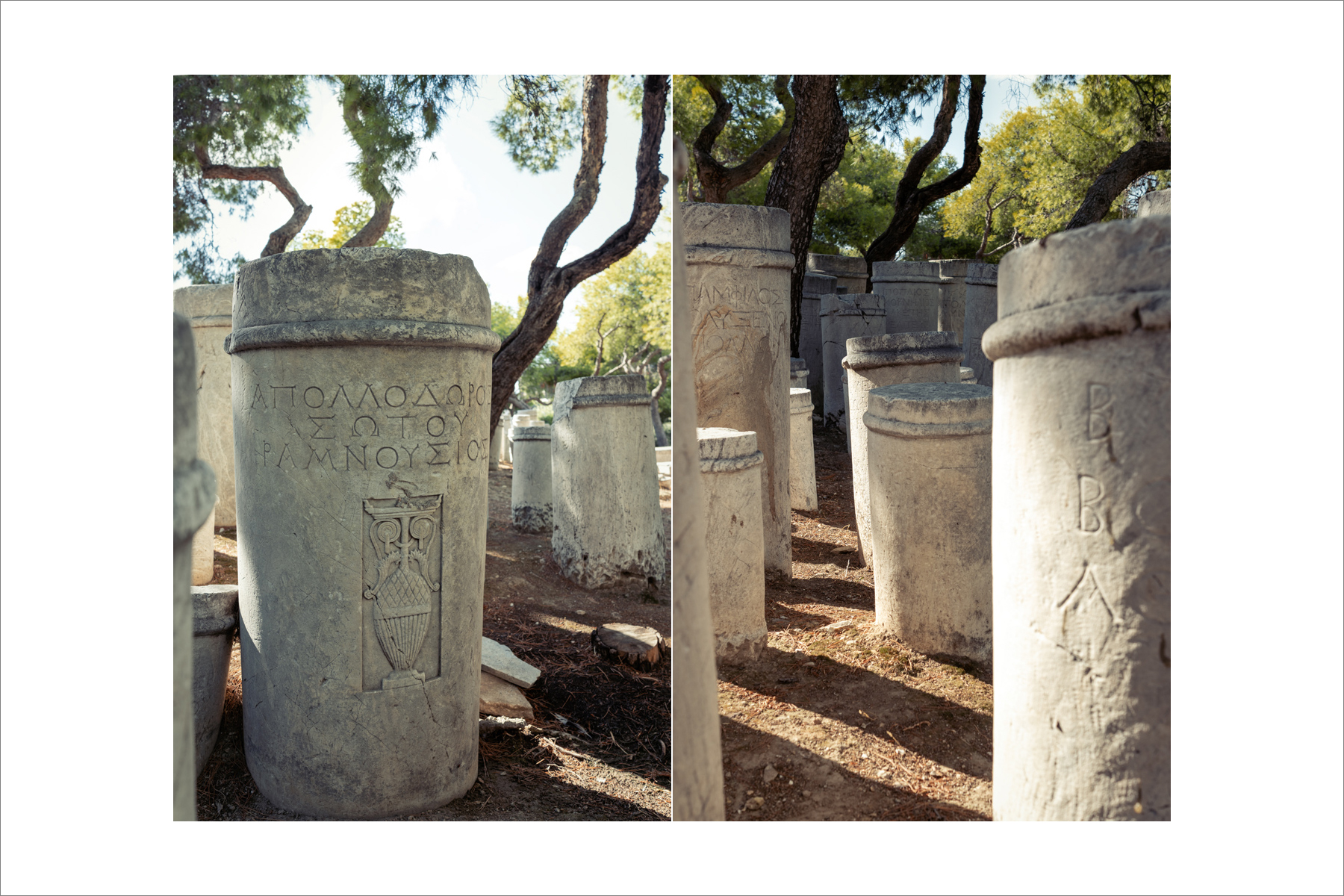 Kerameikos “The Marble Elysian Fields, the Elysian Fields of Art” | 36/71
  Kerameikos “The Marble Elysian Fields, the Elysian Fields of Art” | 37/71
  Kerameikos “The Marble Elysian Fields, the Elysian Fields of Art” | 38/71
  Kerameikos “The Marble Elysian Fields, the Elysian Fields of Art” | 39/71
  Kerameikos “The Marble Elysian Fields, the Elysian Fields of Art” | 40/71
  Kerameikos “The Marble Elysian Fields, the Elysian Fields of Art” | 41/71
  Kerameikos “The Marble Elysian Fields, the Elysian Fields of Art” | 42/71
  Kerameikos “The Marble Elysian Fields, the Elysian Fields of Art” | 43/71
  Kerameikos “The Marble Elysian Fields, the Elysian Fields of Art” | 44/71
  Kerameikos “The Marble Elysian Fields, the Elysian Fields of Art” | 45/71
  Kerameikos “The Marble Elysian Fields, the Elysian Fields of Art” | 46/71
  Kerameikos “The Marble Elysian Fields, the Elysian Fields of Art” | 47/71
  Kerameikos “The Marble Elysian Fields, the Elysian Fields of Art” | 48/71
  Kerameikos “The Marble Elysian Fields, the Elysian Fields of Art” | 49/71
  Kerameikos “The Marble Elysian Fields, the Elysian Fields of Art” | 50/71
  Kerameikos “The Marble Elysian Fields, the Elysian Fields of Art” | 51/71
  Kerameikos “The Marble Elysian Fields, the Elysian Fields of Art” | 52/71
  Kerameikos “The Marble Elysian Fields, the Elysian Fields of Art” | 53/71
  Kerameikos “The Marble Elysian Fields, the Elysian Fields of Art” | 54/71
  Kerameikos “The Marble Elysian Fields, the Elysian Fields of Art” | 55/71
  Kerameikos “The Marble Elysian Fields, the Elysian Fields of Art” | 56/71
  Kerameikos “The Marble Elysian Fields, the Elysian Fields of Art” | 57/71
  Kerameikos “The Marble Elysian Fields, the Elysian Fields of Art” | 58/71
  Kerameikos “The Marble Elysian Fields, the Elysian Fields of Art” | 59/71
  Kerameikos “The Marble Elysian Fields, the Elysian Fields of Art” | 60/71
  Kerameikos “The Marble Elysian Fields, the Elysian Fields of Art” | 61/71
  Kerameikos “The Marble Elysian Fields, the Elysian Fields of Art” | 62/71
  Kerameikos “The Marble Elysian Fields, the Elysian Fields of Art” | 63/71
  Kerameikos “The Marble Elysian Fields, the Elysian Fields of Art” | 64/71
  Kerameikos “The Marble Elysian Fields, the Elysian Fields of Art” | 65/71
  Kerameikos “The Marble Elysian Fields, the Elysian Fields of Art” | 66/71
  Kerameikos “The Marble Elysian Fields, the Elysian Fields of Art” | 67/71
  Kerameikos “The Marble Elysian Fields, the Elysian Fields of Art” | 68/71
  Kerameikos “The Marble Elysian Fields, the Elysian Fields of Art” | 69/71
  Kerameikos “The Marble Elysian Fields, the Elysian Fields of Art” | 70/71
  Kerameikos “The Marble Elysian Fields, the Elysian Fields of Art” | 71/71